

The multifunctional NPs can be designed to utilize multiple therapeutic
modalities. The most commonly used radionuclides emitting beta-particles are
177 Lu and
90 Y, and they can be labeled with the multifunctional NPs in clinical
trials. Clinical trials have proven that the multifunctional NPs labeled with
radionuclides are promising for the treatment of malignant tumors. Large numbers
of antibodies, peptides or any molecule with biological activity can be linked to the
surface of a single radiolabeled nanocrystal, metal NP, or single-walled carbon
nanotube, which enables both imaging and therapy of tumors over-expressing those
specific antigens or receptors [13]. Soundararajan et al. evaluated NPs labeled with
a beta-particle emitter (
186 Re) and combined with radiofrequency (RF) ablation and
liposomal doxorubicin in a xenograft rat model [14]. This combination of triple
cancer therapeutics increased retention of the
186 Re-liposomal doxorubicin, which
led to the effective reduction of tumor size, compared with those of single or dual
therapies. The exact mechanism responsible for the synergistic effect of the triple
combination therapies remains insufficiently understood, but it might be due to
beneficial effects of internal radiation therapy of
186 Re such as cross-fire effects
stemming from a long-ranged beta-particle.
Various factors including radiolabeling techniques, chemical functionalization,
cost, and availability affect the successful clinical application of the radiolabeled
NPs. In the clinical setting, it is highly recommended that NPs be efficiently labeled
with radionuclides and the radiolabeled NPs keep stable for a sufficient time before
use. Radionuclides should stay within the NPs before being delivered to yield
sufficient therapeutic effects to the tumor. However, radiolabeled NPs must go
through multiple unexpected biological processes before reaching tumor when
administered systemically. The interaction of NPs with serum proteins influences
the targeted delivery of the NPs, and then the NPs’ interaction with the tumor
microenvironment affects the penetration into the tumor tissues. As well as these
biological processes in vivo, intrinsic properties of NPs such as size, surface
characteristics, and radionuclides have an impact on the therapeutic outcome of
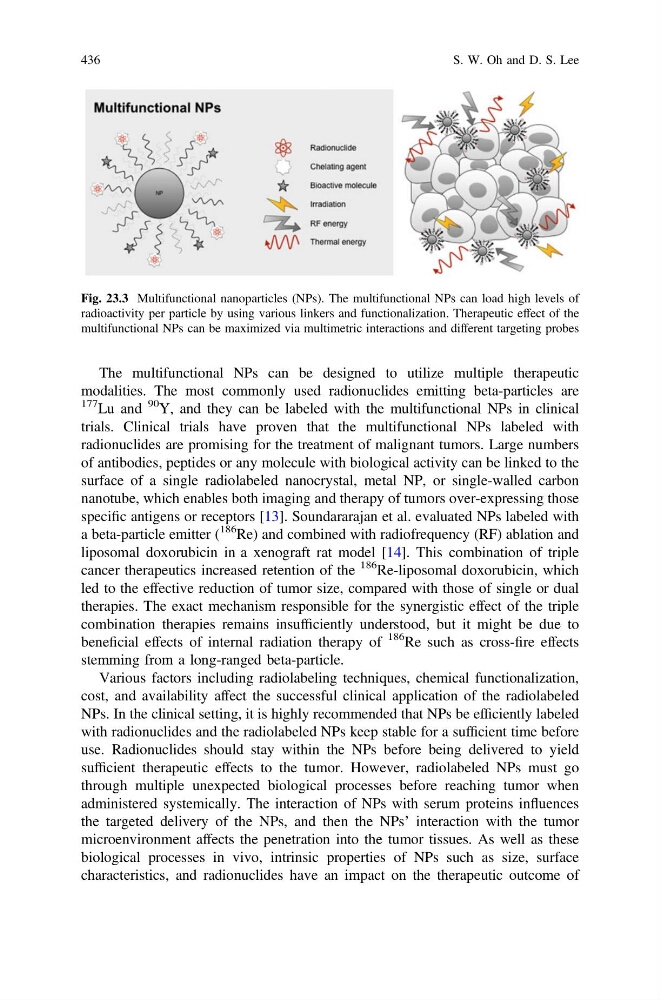
Fig. 23.3 Multifunctional nanoparticles (NPs). The multifunctional NPs can load high levels of
radioactivity per particle by using various linkers and functionalization. Therapeutic effect of the
multifunctional NPs can be maximized via multimetric interactions and different targeting probes
436
S. W. Oh and D. S. Lee
modalities. The most commonly used radionuclides emitting beta-particles are
177 Lu and
90 Y, and they can be labeled with the multifunctional NPs in clinical
trials. Clinical trials have proven that the multifunctional NPs labeled with
radionuclides are promising for the treatment of malignant tumors. Large numbers
of antibodies, peptides or any molecule with biological activity can be linked to the
surface of a single radiolabeled nanocrystal, metal NP, or single-walled carbon
nanotube, which enables both imaging and therapy of tumors over-expressing those
specific antigens or receptors [13]. Soundararajan et al. evaluated NPs labeled with
a beta-particle emitter (
186 Re) and combined with radiofrequency (RF) ablation and
liposomal doxorubicin in a xenograft rat model [14]. This combination of triple
cancer therapeutics increased retention of the
186 Re-liposomal doxorubicin, which
led to the effective reduction of tumor size, compared with those of single or dual
therapies. The exact mechanism responsible for the synergistic effect of the triple
combination therapies remains insufficiently understood, but it might be due to
beneficial effects of internal radiation therapy of
186 Re such as cross-fire effects
stemming from a long-ranged beta-particle.
Various factors including radiolabeling techniques, chemical functionalization,
cost, and availability affect the successful clinical application of the radiolabeled
NPs. In the clinical setting, it is highly recommended that NPs be efficiently labeled
with radionuclides and the radiolabeled NPs keep stable for a sufficient time before
use. Radionuclides should stay within the NPs before being delivered to yield
sufficient therapeutic effects to the tumor. However, radiolabeled NPs must go
through multiple unexpected biological processes before reaching tumor when
administered systemically. The interaction of NPs with serum proteins influences
the targeted delivery of the NPs, and then the NPs’ interaction with the tumor
microenvironment affects the penetration into the tumor tissues. As well as these
biological processes in vivo, intrinsic properties of NPs such as size, surface
characteristics, and radionuclides have an impact on the therapeutic outcome of
Fig. 23.3 Multifunctional nanoparticles (NPs). The multifunctional NPs can load high levels of
radioactivity per particle by using various linkers and functionalization. Therapeutic effect of the
multifunctional NPs can be maximized via multimetric interactions and different targeting probes
436
S. W. Oh and D. S. Lee