

5.5 Polymeric Nanoparticles
Polymeric NPs are defined as submicron-sized solid polymer particles with matrix
type structure, in which a cargo can be encapsulated within the polymer matrix or
absorbed in the surface [50]. Their biocompatibility and biodegradability makes
them suitable for various biomedical applications. These applications include drug
and gene delivery, tissue engineering, medical supplies like sutures or wound
dressings, imaging agents, cosmetics, food and beverage. The most common synthetic polymers are polyesters like polylactic acid (PLA), polyglycolic acid
(PGA) or their copolymer poly(lactic-co-glycolic acid) (PLGA).
Paclitaxel loaded polymeric micelle (Genexol PM) was approved for the treatment of breast cancer, non-small cell lung cancer, and ovarian cancer in Korea.
Genexol PM consists of biodegradable di-block copolymers, methoxy poly(ethylene glycol)-poly(DL-lactic acid) (mPEG-PDLLA). The copolymer residue
increases the water-solubility of paclitaxel and allows delivery of higher doses than
those achievable with paclitaxel alone [51].
PLGA is a particularly interesting material for the development of clinically
relevant drug delivery systems, due to its long history of safety in humans. PLGA is
biodegradable and undergoes hydrolysis in the body to produce the original
monomers, lactic acid and glycolic acid. Microparticle formulations of PLGA are
clinically approved for use in humans for direct injection. NPs composed of PLGA
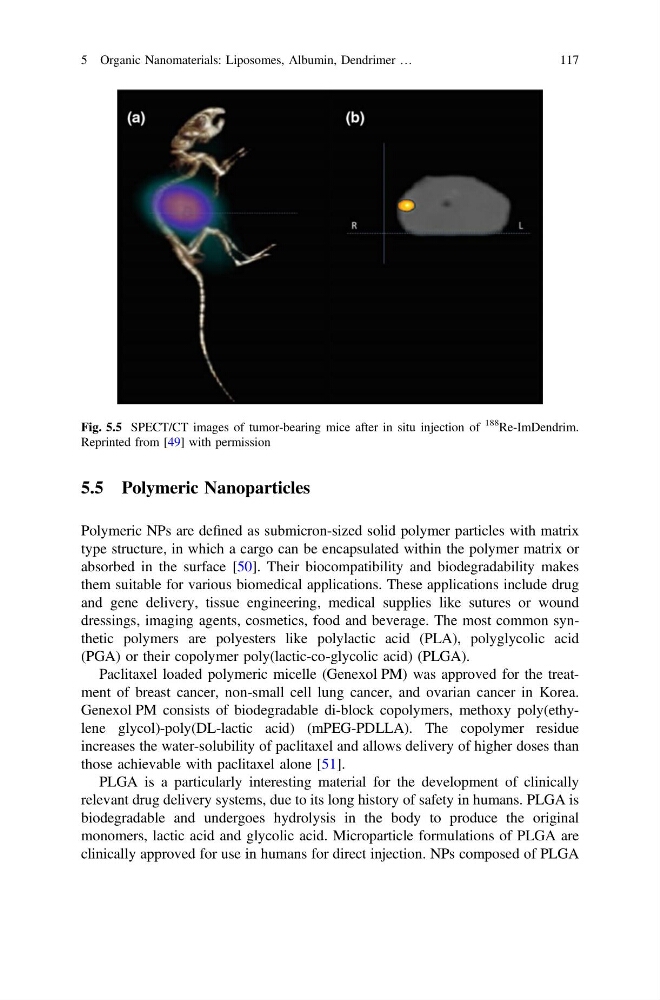
Fig. 5.5 SPECT/CT images of tumor-bearing mice after in situ injection of
188
Re-ImDendrim.
Reprinted from [49] with permission
5 Organic Nanomaterials: Liposomes, Albumin, Dendrimer …
117
Polymeric NPs are defined as submicron-sized solid polymer particles with matrix
type structure, in which a cargo can be encapsulated within the polymer matrix or
absorbed in the surface [50]. Their biocompatibility and biodegradability makes
them suitable for various biomedical applications. These applications include drug
and gene delivery, tissue engineering, medical supplies like sutures or wound
dressings, imaging agents, cosmetics, food and beverage. The most common synthetic polymers are polyesters like polylactic acid (PLA), polyglycolic acid
(PGA) or their copolymer poly(lactic-co-glycolic acid) (PLGA).
Paclitaxel loaded polymeric micelle (Genexol PM) was approved for the treatment of breast cancer, non-small cell lung cancer, and ovarian cancer in Korea.
Genexol PM consists of biodegradable di-block copolymers, methoxy poly(ethylene glycol)-poly(DL-lactic acid) (mPEG-PDLLA). The copolymer residue
increases the water-solubility of paclitaxel and allows delivery of higher doses than
those achievable with paclitaxel alone [51].
PLGA is a particularly interesting material for the development of clinically
relevant drug delivery systems, due to its long history of safety in humans. PLGA is
biodegradable and undergoes hydrolysis in the body to produce the original
monomers, lactic acid and glycolic acid. Microparticle formulations of PLGA are
clinically approved for use in humans for direct injection. NPs composed of PLGA
Fig. 5.5 SPECT/CT images of tumor-bearing mice after in situ injection of
188
Re-ImDendrim.
Reprinted from [49] with permission
5 Organic Nanomaterials: Liposomes, Albumin, Dendrimer …
117