

3.13 Scaffold
A scaffold is composed of a set of contigs that are grouped together because genetic
and physical mapping techniques suggest that they are located near each other along
the length of a chromosomal DNA molecule (Fig. 7). A scaffold, by definition,
contains some gaps.
3.14 Pseudomolecule
A pseudomolecule is a collection of contigs and scaffolds that have been grouped
into something that, more or less, resembles the DNA sequence of an entire
chromosome. Under ideal conditions, a pseudomolecule will approximate the
base-by-base sequence of an entire chromosome, and, for a given species, the
number of pseudomolecules will be equal to the number of chromosomes.
a
b
c
d
e
f
g
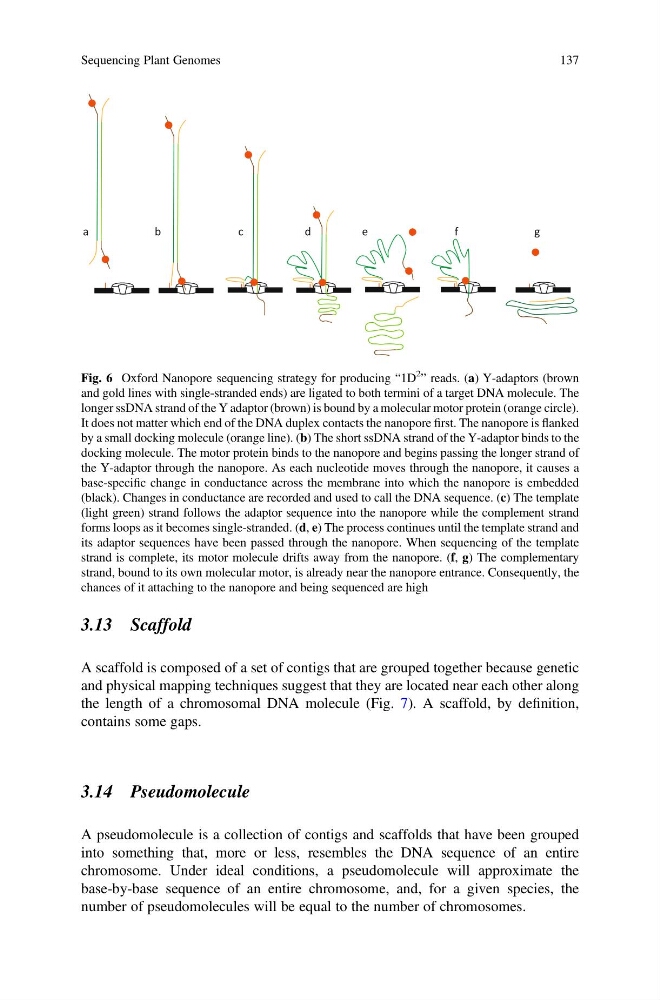
Fig. 6 Oxford Nanopore sequencing strategy for producing “1D
2
” reads. (a) Y-adaptors (brown
and gold lines with single-stranded ends) are ligated to both termini of a target DNA molecule. The
longer ssDNA strand of the Y adaptor (brown) is bound by a molecular motor protein (orange circle).
It does not matter which end of the DNA duplex contacts the nanopore first. The nanopore is flanked
by a small docking molecule (orange line). (b) The short ssDNA strand of the Y-adaptor binds to the
docking molecule. The motor protein binds to the nanopore and begins passing the longer strand of
the Y-adaptor through the nanopore. As each nucleotide moves through the nanopore, it causes a
base-specific change in conductance across the membrane into which the nanopore is embedded
(black). Changes in conductance are recorded and used to call the DNA sequence. (c) The template
(light green) strand follows the adaptor sequence into the nanopore while the complement strand
forms loops as it becomes single-stranded. (d, e) The process continues until the template strand and
its adaptor sequences have been passed through the nanopore. When sequencing of the template
strand is complete, its motor molecule drifts away from the nanopore. (f, g) The complementary
strand, bound to its own molecular motor, is already near the nanopore entrance. Consequently, the
chances of it attaching to the nanopore and being sequenced are high
Sequencing Plant Genomes
137
A scaffold is composed of a set of contigs that are grouped together because genetic
and physical mapping techniques suggest that they are located near each other along
the length of a chromosomal DNA molecule (Fig. 7). A scaffold, by definition,
contains some gaps.
3.14 Pseudomolecule
A pseudomolecule is a collection of contigs and scaffolds that have been grouped
into something that, more or less, resembles the DNA sequence of an entire
chromosome. Under ideal conditions, a pseudomolecule will approximate the
base-by-base sequence of an entire chromosome, and, for a given species, the
number of pseudomolecules will be equal to the number of chromosomes.
a
b
c
d
e
f
g
Fig. 6 Oxford Nanopore sequencing strategy for producing “1D
2
” reads. (a) Y-adaptors (brown
and gold lines with single-stranded ends) are ligated to both termini of a target DNA molecule. The
longer ssDNA strand of the Y adaptor (brown) is bound by a molecular motor protein (orange circle).
It does not matter which end of the DNA duplex contacts the nanopore first. The nanopore is flanked
by a small docking molecule (orange line). (b) The short ssDNA strand of the Y-adaptor binds to the
docking molecule. The motor protein binds to the nanopore and begins passing the longer strand of
the Y-adaptor through the nanopore. As each nucleotide moves through the nanopore, it causes a
base-specific change in conductance across the membrane into which the nanopore is embedded
(black). Changes in conductance are recorded and used to call the DNA sequence. (c) The template
(light green) strand follows the adaptor sequence into the nanopore while the complement strand
forms loops as it becomes single-stranded. (d, e) The process continues until the template strand and
its adaptor sequences have been passed through the nanopore. When sequencing of the template
strand is complete, its motor molecule drifts away from the nanopore. (f, g) The complementary
strand, bound to its own molecular motor, is already near the nanopore entrance. Consequently, the
chances of it attaching to the nanopore and being sequenced are high
Sequencing Plant Genomes
137