

Na 2 S 2 O 4 . Some studies suggest that the reductive species is not dithionite S 2 O 4
2À
but rather a dissociation product (Mayhew and Massey 1973; Mayhew 1978). The
long and weak S–S bond leads to the reversible formation of very reactive SO
• À
2
radicals (Amonette et al. 1994; Amonette 2002). As a water-soluble salt, sodium
dithionite can easily be injected into groundwater with traditional injection methods
(see Sect. 6.4 regarding the injection of reductants). It has for example been
successfully used for in situ remediation of chlorinated ethylenes (Ignatiadis et al.
2016), as detailed in the case study section (Sect. 6.5).
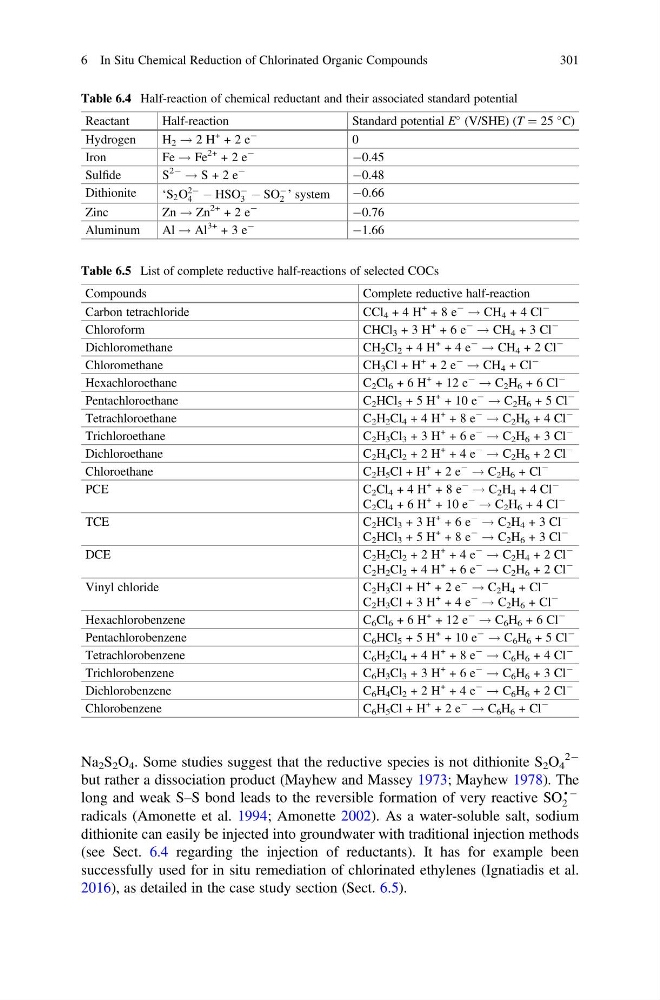
Table 6.4 Half-reaction of chemical reductant and their associated standard potential
Reactant
Half-reaction
Standard potential E
(V/SHE) (T ¼ 25
C)
Hydrogen
H 2 ! 2 H
+ + 2 e
À
0
Iron
Fe ! Fe
2+ + 2 e
À
À0.45
Sulfide
S
2À ! S + 2 e
À
À0.48
Dithionite
‘S 2 O
2À
4 À HSO
À
3 À SO
À
2 ’ system
À0.66
Zinc
Zn ! Zn
2+ + 2 e
À
À0.76
Aluminum
Al ! Al
3+ + 3 e
À
À1.66
Table 6.5 List of complete reductive half-reactions of selected COCs
Compounds
Complete reductive half-reaction
Carbon tetrachloride
CCl 4 + 4 H
+ + 8 e
À ! CH 4 + 4 Cl
À
Chloroform
CHCl 3 + 3 H
+ + 6 e
À ! CH 4 + 3 Cl
À
Dichloromethane
CH 2 Cl 2 + 4 H
+ + 4 e
À ! CH 4 + 2 Cl
À
Chloromethane
CH 3 Cl + H
+ + 2 e
À ! CH 4 + Cl
À
Hexachloroethane
C 2 Cl 6 + 6 H
+ + 12 e
À ! C 2 H 6 + 6 Cl
À
Pentachloroethane
C 2 HCl 5 + 5 H
+ + 10 e
À ! C 2 H 6 + 5 Cl
À
Tetrachloroethane
C 2 H 2 Cl 4 + 4 H
+ + 8 e
À ! C 2 H 6 + 4 Cl
À
Trichloroethane
C 2 H 3 Cl 3 + 3 H
+ + 6 e
À ! C 2 H 6 + 3 Cl
À
Dichloroethane
C 2 H 4 Cl 2 + 2 H
+ + 4 e
À ! C 2 H 6 + 2 Cl
À
Chloroethane
C 2 H 5 Cl + H
+ + 2 e
À ! C 2 H 6 + Cl
À
PCE
C 2 Cl 4 + 4 H
+ + 8 e
À ! C 2 H 4 + 4 Cl
À
C 2 Cl 4 + 6 H
+ + 10 e
À ! C 2 H 6 + 4 Cl
À
TCE
C 2 HCl 3 + 3 H
+ + 6 e
À ! C 2 H 4 + 3 Cl
À
C 2 HCl 3 + 5 H
+ + 8 e
À ! C 2 H 6 + 3 Cl
À
DCE
C 2 H 2 Cl 2 + 2 H
+ + 4 e
À ! C 2 H 4 + 2 Cl
À
C 2 H 2 Cl 2 + 4 H
+ + 6 e
À ! C 2 H 6 + 2 Cl
À
Vinyl chloride
C 2 H 3 Cl + H
+ + 2 e
À ! C 2 H 4 + Cl
À
C 2 H 3 Cl + 3 H
+ + 4 e
À ! C 2 H 6 + Cl
À
Hexachlorobenzene
C 6 Cl 6 + 6 H
+ + 12 e
À ! C 6 H 6 + 6 Cl
À
Pentachlorobenzene
C 6 HCl 5 + 5 H
+ + 10 e
À ! C 6 H 6 + 5 Cl
À
Tetrachlorobenzene
C 6 H 2 Cl 4 + 4 H
+ + 8 e
À ! C 6 H 6 + 4 Cl
À
Trichlorobenzene
C 6 H 3 Cl 3 + 3 H
+ + 6 e
À ! C 6 H 6 + 3 Cl
À
Dichlorobenzene
C 6 H 4 Cl 2 + 2 H
+ + 4 e
À ! C 6 H 6 + 2 Cl
À
Chlorobenzene
C 6 H 5 Cl + H
+ + 2 e
À ! C 6 H 6 + Cl
À
6 In Situ Chemical Reduction of Chlorinated Organic Compounds
301
2À
but rather a dissociation product (Mayhew and Massey 1973; Mayhew 1978). The
long and weak S–S bond leads to the reversible formation of very reactive SO
• À
2
radicals (Amonette et al. 1994; Amonette 2002). As a water-soluble salt, sodium
dithionite can easily be injected into groundwater with traditional injection methods
(see Sect. 6.4 regarding the injection of reductants). It has for example been
successfully used for in situ remediation of chlorinated ethylenes (Ignatiadis et al.
2016), as detailed in the case study section (Sect. 6.5).
Table 6.4 Half-reaction of chemical reductant and their associated standard potential
Reactant
Half-reaction
Standard potential E
(V/SHE) (T ¼ 25
C)
Hydrogen
H 2 ! 2 H
+ + 2 e
À
0
Iron
Fe ! Fe
2+ + 2 e
À
À0.45
Sulfide
S
2À ! S + 2 e
À
À0.48
Dithionite
‘S 2 O
2À
4 À HSO
À
3 À SO
À
2 ’ system
À0.66
Zinc
Zn ! Zn
2+ + 2 e
À
À0.76
Aluminum
Al ! Al
3+ + 3 e
À
À1.66
Table 6.5 List of complete reductive half-reactions of selected COCs
Compounds
Complete reductive half-reaction
Carbon tetrachloride
CCl 4 + 4 H
+ + 8 e
À ! CH 4 + 4 Cl
À
Chloroform
CHCl 3 + 3 H
+ + 6 e
À ! CH 4 + 3 Cl
À
Dichloromethane
CH 2 Cl 2 + 4 H
+ + 4 e
À ! CH 4 + 2 Cl
À
Chloromethane
CH 3 Cl + H
+ + 2 e
À ! CH 4 + Cl
À
Hexachloroethane
C 2 Cl 6 + 6 H
+ + 12 e
À ! C 2 H 6 + 6 Cl
À
Pentachloroethane
C 2 HCl 5 + 5 H
+ + 10 e
À ! C 2 H 6 + 5 Cl
À
Tetrachloroethane
C 2 H 2 Cl 4 + 4 H
+ + 8 e
À ! C 2 H 6 + 4 Cl
À
Trichloroethane
C 2 H 3 Cl 3 + 3 H
+ + 6 e
À ! C 2 H 6 + 3 Cl
À
Dichloroethane
C 2 H 4 Cl 2 + 2 H
+ + 4 e
À ! C 2 H 6 + 2 Cl
À
Chloroethane
C 2 H 5 Cl + H
+ + 2 e
À ! C 2 H 6 + Cl
À
PCE
C 2 Cl 4 + 4 H
+ + 8 e
À ! C 2 H 4 + 4 Cl
À
C 2 Cl 4 + 6 H
+ + 10 e
À ! C 2 H 6 + 4 Cl
À
TCE
C 2 HCl 3 + 3 H
+ + 6 e
À ! C 2 H 4 + 3 Cl
À
C 2 HCl 3 + 5 H
+ + 8 e
À ! C 2 H 6 + 3 Cl
À
DCE
C 2 H 2 Cl 2 + 2 H
+ + 4 e
À ! C 2 H 4 + 2 Cl
À
C 2 H 2 Cl 2 + 4 H
+ + 6 e
À ! C 2 H 6 + 2 Cl
À
Vinyl chloride
C 2 H 3 Cl + H
+ + 2 e
À ! C 2 H 4 + Cl
À
C 2 H 3 Cl + 3 H
+ + 4 e
À ! C 2 H 6 + Cl
À
Hexachlorobenzene
C 6 Cl 6 + 6 H
+ + 12 e
À ! C 6 H 6 + 6 Cl
À
Pentachlorobenzene
C 6 HCl 5 + 5 H
+ + 10 e
À ! C 6 H 6 + 5 Cl
À
Tetrachlorobenzene
C 6 H 2 Cl 4 + 4 H
+ + 8 e
À ! C 6 H 6 + 4 Cl
À
Trichlorobenzene
C 6 H 3 Cl 3 + 3 H
+ + 6 e
À ! C 6 H 6 + 3 Cl
À
Dichlorobenzene
C 6 H 4 Cl 2 + 2 H
+ + 4 e
À ! C 6 H 6 + 2 Cl
À
Chlorobenzene
C 6 H 5 Cl + H
+ + 2 e
À ! C 6 H 6 + Cl
À
6 In Situ Chemical Reduction of Chlorinated Organic Compounds
301