

transitions (IRENA 2015, 2017; Silveira and Johnson 2016) (Chap. 1 Vol. 1). Such
investments would be instrumental for funding the different stages of bioenergy
systems, from production (e.g. production systems, ancillary infrastructure), to
providing incentives to producers and end users (Souza et al. 2015; da Maia 2018)
(see below for more details). An interesting example was the case of jatropha that
attracted different types of financing and investment, ranging from foreign direct
investments (FDIs) for jatropha-related large-scale land acquisitions (see Chap. 3–4
Vol. 1) to social investments emphasising local benefits through small-scale production and use (Liu et al. 2013; von Maltitz et al. 2014; Gasparatos et al. 2015)
(Chap. 5 Vol. 1).
For those bioenergy transitions geared towards meeting domestic demand, it is
important to note that, generally speaking, the scale of bioenergy systems is modest
compared to those of fossil fuels and nuclear power. Furthermore, the scale can also
vary considerably depending on the applications, end-use markets (e.g. local or
national) and feedstocks. However, it is this modest scale that makes bioenergy
projects and investments well-suited to most SSA countries, especially considering
the institutional risks associated with large bioenergy-related investments (e.g. see
experience from Clean Development Mechanism projects in SSA) (Lee and Lazarus
2013; Burian and Arens 2014). Smaller scale models do have risks but can also
possibly offer greater social benefits in terms of the impacts identified in Sect. 2.2
(Gasparatos et al. 2015). Furthermore, their lower capital investment needs may
make it easier to overcome barriers to financing.
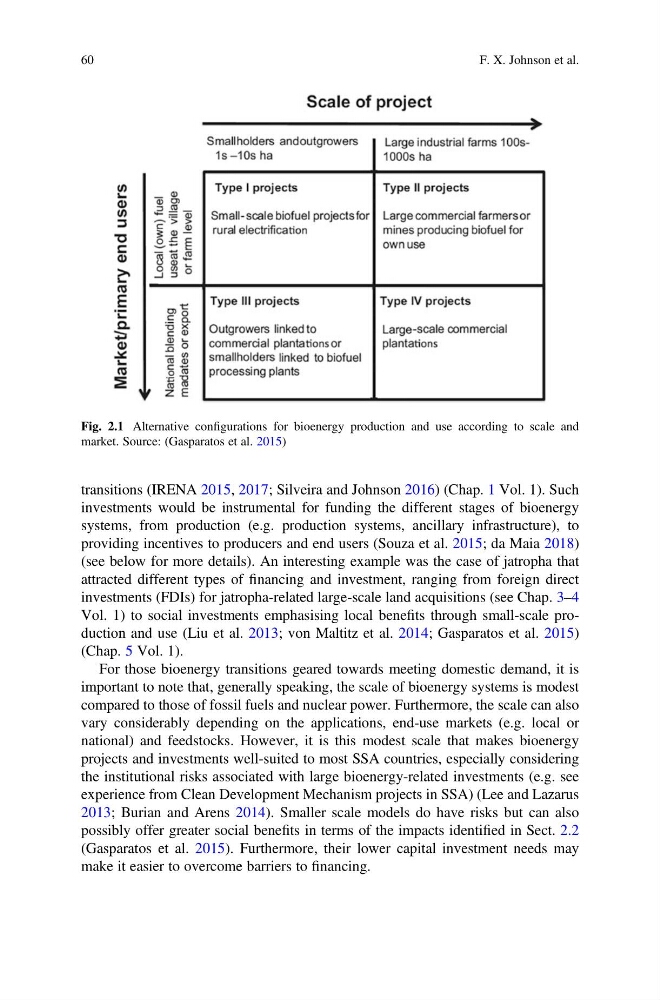
Fig. 2.1 Alternative configurations for bioenergy production and use according to scale and
market. Source: (Gasparatos et al. 2015)
60
F. X. Johnson et al.
investments would be instrumental for funding the different stages of bioenergy
systems, from production (e.g. production systems, ancillary infrastructure), to
providing incentives to producers and end users (Souza et al. 2015; da Maia 2018)
(see below for more details). An interesting example was the case of jatropha that
attracted different types of financing and investment, ranging from foreign direct
investments (FDIs) for jatropha-related large-scale land acquisitions (see Chap. 3–4
Vol. 1) to social investments emphasising local benefits through small-scale production and use (Liu et al. 2013; von Maltitz et al. 2014; Gasparatos et al. 2015)
(Chap. 5 Vol. 1).
For those bioenergy transitions geared towards meeting domestic demand, it is
important to note that, generally speaking, the scale of bioenergy systems is modest
compared to those of fossil fuels and nuclear power. Furthermore, the scale can also
vary considerably depending on the applications, end-use markets (e.g. local or
national) and feedstocks. However, it is this modest scale that makes bioenergy
projects and investments well-suited to most SSA countries, especially considering
the institutional risks associated with large bioenergy-related investments (e.g. see
experience from Clean Development Mechanism projects in SSA) (Lee and Lazarus
2013; Burian and Arens 2014). Smaller scale models do have risks but can also
possibly offer greater social benefits in terms of the impacts identified in Sect. 2.2
(Gasparatos et al. 2015). Furthermore, their lower capital investment needs may
make it easier to overcome barriers to financing.
Fig. 2.1 Alternative configurations for bioenergy production and use according to scale and
market. Source: (Gasparatos et al. 2015)
60
F. X. Johnson et al.