

livelihoods and food insecurity in some countries (National Planning Commission of
Ethiopia 2017; Shiferaw et al., 2014). Such cascading effects were very prevalent
through the 2015 El Nino event that resulted in severe droughts and water shortages
(Gizaw and Gan, 2017), affecting agricultural systems throughout the region. Conversely climate-related hazards and disasters such as floods and heat waves can have
substantial effects in urban centres (Herslund et al., 2016), due to the high population
density, poor urban planning and lack of disaster management and preparedness in
most SSA cities (Sects. 1.2.6 and 1.2.11). Furthermore, such events could increase
the risk of communicable disease outbreaks such as cholera (Wu et al., 2016), which
can be particularly devastating in highly dense urban areas.
Adapting agriculture, cities and other vulnerable sectors to climate change would
undoubtedly require innovative practices and policies backed by smart technologies,
skilled labour and financial resources, all of which are in short supply in the region
(Henderson et al. 2017). For example, the lack of operational meteorological infrastructure and accurate meteorological information (especially seasonal forecasts)
poses major barriers for effective adaptation (NAP-GSP 2017). Furthermore, many
organizations have pointed out the need for sustainable funding to enable adaptation
actions throughout the continent (UNDRR 2018). However, despite these challenges, there have been many examples of successful climate change adaptation
throughout SSA (UNDP 2018b), with many countries managing to attract sufficient
funding and international support for their NAPs (UNFCCC 2018).
Finally, a particularly difficult challenge to solve would be to ensure policy
coherence, especially by integrating and mainstreaming climate change adaptation
into developmental and financial planning across sectors and scales (NAP-GSP
2017; UNDRR 2018). Achieving this would require high-level political support,
institutional coordination and effective engagement with a wide range of
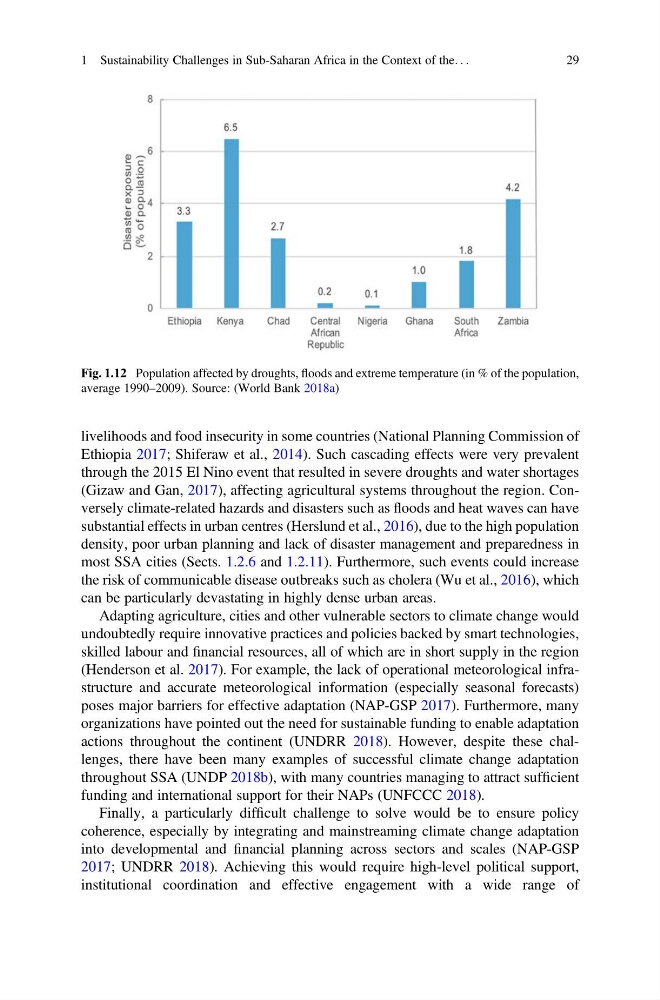
Fig. 1.12 Population affected by droughts, floods and extreme temperature (in % of the population,
average 1990–2009). Source: (World Bank 2018a)
1 Sustainability Challenges in Sub-Saharan Africa in the Context of the. . .
29
Ethiopia 2017; Shiferaw et al., 2014). Such cascading effects were very prevalent
through the 2015 El Nino event that resulted in severe droughts and water shortages
(Gizaw and Gan, 2017), affecting agricultural systems throughout the region. Conversely climate-related hazards and disasters such as floods and heat waves can have
substantial effects in urban centres (Herslund et al., 2016), due to the high population
density, poor urban planning and lack of disaster management and preparedness in
most SSA cities (Sects. 1.2.6 and 1.2.11). Furthermore, such events could increase
the risk of communicable disease outbreaks such as cholera (Wu et al., 2016), which
can be particularly devastating in highly dense urban areas.
Adapting agriculture, cities and other vulnerable sectors to climate change would
undoubtedly require innovative practices and policies backed by smart technologies,
skilled labour and financial resources, all of which are in short supply in the region
(Henderson et al. 2017). For example, the lack of operational meteorological infrastructure and accurate meteorological information (especially seasonal forecasts)
poses major barriers for effective adaptation (NAP-GSP 2017). Furthermore, many
organizations have pointed out the need for sustainable funding to enable adaptation
actions throughout the continent (UNDRR 2018). However, despite these challenges, there have been many examples of successful climate change adaptation
throughout SSA (UNDP 2018b), with many countries managing to attract sufficient
funding and international support for their NAPs (UNFCCC 2018).
Finally, a particularly difficult challenge to solve would be to ensure policy
coherence, especially by integrating and mainstreaming climate change adaptation
into developmental and financial planning across sectors and scales (NAP-GSP
2017; UNDRR 2018). Achieving this would require high-level political support,
institutional coordination and effective engagement with a wide range of
Fig. 1.12 Population affected by droughts, floods and extreme temperature (in % of the population,
average 1990–2009). Source: (World Bank 2018a)
1 Sustainability Challenges in Sub-Saharan Africa in the Context of the. . .
29