

8.4 Discussion
As outlined throughout this chapter there have been some efforts to foster collaborative and innovative research towards sustainability in Ghana. Section 8.3 outlined
thoroughly the different supportive structures in academia, private sector and government in terms of (a) policies and regulatory frameworks (Sects. 8.3.1.1, 8.3.2.1,
8.3.3.1); (b) institutions promoting research (Sects. 8.3.1.2, 8.3.2.2, 8.3.3.2) and
(c) research funding and collaborative research (Sects. 8.3.1.3, 8.3.2.3, 8.3.3.3).
Sections 8.4.1–8.4.4 identify some of the major challenges across these three
domains in Ghana (and other parts of SSA), as well as some of the possible solutions
and key policy recommendations to overcome them (Sect. 8.4.5).
Table 8.9 Sources of R&D funding in Ghana (in 1000 GHS)
Sources of funds
2013
2014
2015
Public sector (IGF)
15,298
20,378
12,791
Public sector (Government)
52,811
73,592
89,508
Private sector firms
31
–
–
Private not-for profit organizations
31
27
28
Foreign donor agencies
171,303
205,462
388,994
Total (1000 GHS)
239,474
299,458
491,321
Total (1000 USD)
101,904
92,999
128,956
Source: Modified from (MESTI 2017b)
Note: Exchange rate of USD to GHS exchange rate 31 Dec. 2017 (1: 2.35 for 2013; 1: 3.22 for
2014; 1: 3.81 for 2015)
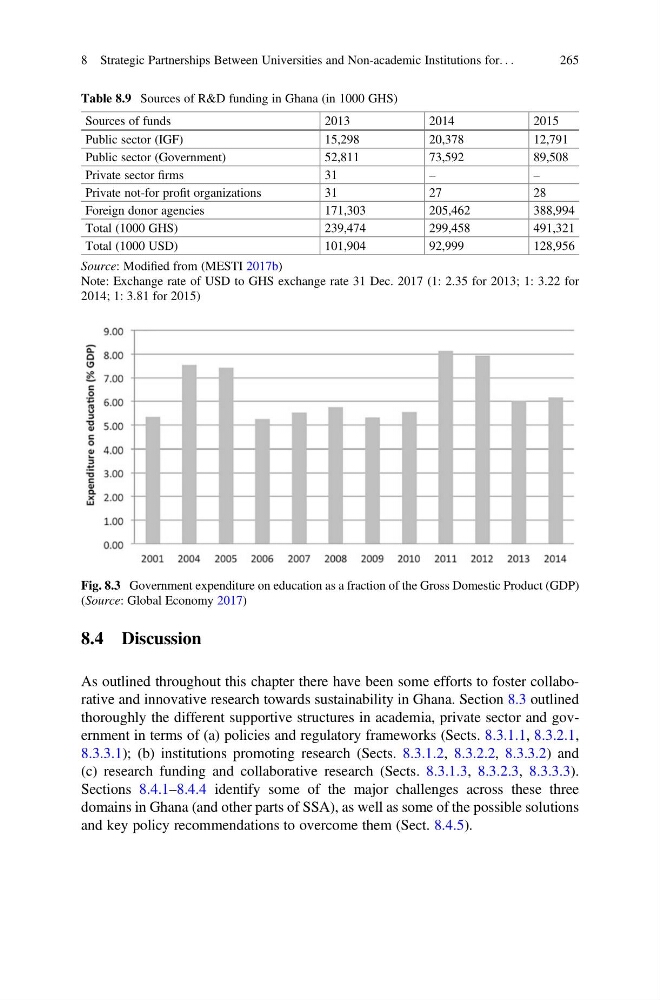
Fig. 8.3 Government expenditure on education as a fraction of the Gross Domestic Product (GDP)
(Source: Global Economy 2017)
8 Strategic Partnerships Between Universities and Non-academic Institutions for. . .
265
As outlined throughout this chapter there have been some efforts to foster collaborative and innovative research towards sustainability in Ghana. Section 8.3 outlined
thoroughly the different supportive structures in academia, private sector and government in terms of (a) policies and regulatory frameworks (Sects. 8.3.1.1, 8.3.2.1,
8.3.3.1); (b) institutions promoting research (Sects. 8.3.1.2, 8.3.2.2, 8.3.3.2) and
(c) research funding and collaborative research (Sects. 8.3.1.3, 8.3.2.3, 8.3.3.3).
Sections 8.4.1–8.4.4 identify some of the major challenges across these three
domains in Ghana (and other parts of SSA), as well as some of the possible solutions
and key policy recommendations to overcome them (Sect. 8.4.5).
Table 8.9 Sources of R&D funding in Ghana (in 1000 GHS)
Sources of funds
2013
2014
2015
Public sector (IGF)
15,298
20,378
12,791
Public sector (Government)
52,811
73,592
89,508
Private sector firms
31
–
–
Private not-for profit organizations
31
27
28
Foreign donor agencies
171,303
205,462
388,994
Total (1000 GHS)
239,474
299,458
491,321
Total (1000 USD)
101,904
92,999
128,956
Source: Modified from (MESTI 2017b)
Note: Exchange rate of USD to GHS exchange rate 31 Dec. 2017 (1: 2.35 for 2013; 1: 3.22 for
2014; 1: 3.81 for 2015)
Fig. 8.3 Government expenditure on education as a fraction of the Gross Domestic Product (GDP)
(Source: Global Economy 2017)
8 Strategic Partnerships Between Universities and Non-academic Institutions for. . .
265