

Finally, measures related to liberalization and deregulation have been very
popular globally in the recent past as a means of attracting FDI (Chap. 3 Vol. 1).
For example, they have accounted for around 84% of all FDI-related measures and
policies monitored in 65 countries (UNCTAD 2018). Africa is the second region that
is most prone to investment liberalization, following Asia. Countries such as
Morocco, Egypt, Tanzania, Zimbabwe, and Angola have adopted noteworthy liberalization measures that have diversified their respective economies from dependence
on natural resources and commodities (UNCTAD 2018). Reducing bureaucracy and
the role of the state in private transactions could facilitate the entry of new investors
and donors (Cleeve et al. 2015). At the same time, dividing the separate stages of
large infrastructure development projects among different investors may reduce
uncertainties by sharing risks (Collier 2014; Yakovleva et al. 2017). This is especially relevant for facilitating transactions in countries with few natural resources
and political instability (Fig. 5.13). However, international donors such as the World
Bank are cautious towards financial openness, and specifically its risks for increasing
market volatility, wage and gender inequality (Aguayo-Tellez 2013).
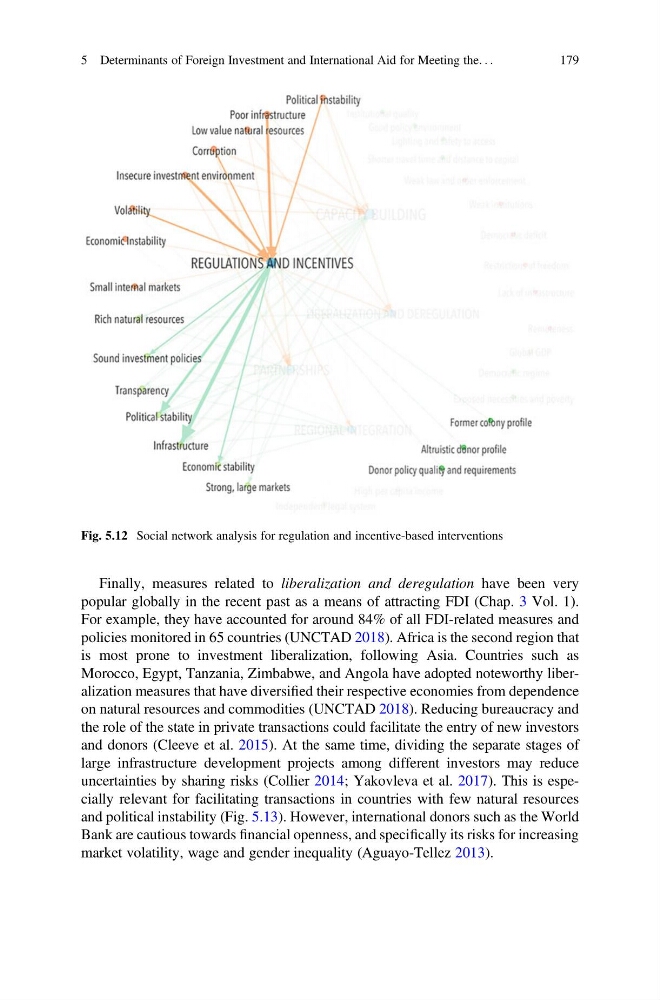
Fig. 5.12 Social network analysis for regulation and incentive-based interventions
5 Determinants of Foreign Investment and International Aid for Meeting the. . .
179
popular globally in the recent past as a means of attracting FDI (Chap. 3 Vol. 1).
For example, they have accounted for around 84% of all FDI-related measures and
policies monitored in 65 countries (UNCTAD 2018). Africa is the second region that
is most prone to investment liberalization, following Asia. Countries such as
Morocco, Egypt, Tanzania, Zimbabwe, and Angola have adopted noteworthy liberalization measures that have diversified their respective economies from dependence
on natural resources and commodities (UNCTAD 2018). Reducing bureaucracy and
the role of the state in private transactions could facilitate the entry of new investors
and donors (Cleeve et al. 2015). At the same time, dividing the separate stages of
large infrastructure development projects among different investors may reduce
uncertainties by sharing risks (Collier 2014; Yakovleva et al. 2017). This is especially relevant for facilitating transactions in countries with few natural resources
and political instability (Fig. 5.13). However, international donors such as the World
Bank are cautious towards financial openness, and specifically its risks for increasing
market volatility, wage and gender inequality (Aguayo-Tellez 2013).
Fig. 5.12 Social network analysis for regulation and incentive-based interventions
5 Determinants of Foreign Investment and International Aid for Meeting the. . .
179