

833
First seen in 1678, described in 1703, their 29 major (thus far identified) species
have globally demonstrated the most comprehensive picture of unicellular efficiency,
reproductive agility, and learning abilities of any such organisms.
15
Might our species’ micronuclear structures have the resiliency to divine paramecium methods of
rejuvenation, from within the throes of self-inflicted destruction? Or any number of
others, such as the 70,000 species of seed shrimp that once existed. Some 57,000 of
those species are believed to have gone extinct. But despite blind corners, dark alleyways, dead-ends, and, today, a global slaughter (US$50 billion annually) our estimations of “the informative fossil record of [these] cytheroid ostracods”
15
also must
remind us that against so many biases in natural selection, at least 13,000 species of
their genera—again, in spite of an uncertain phylogenetics
16
—have survived thus far.
e11/86/shadow.html, Accessed February 15, 2020.
15 See Denis Lynn, The Ciliated Protozoa: Characterization, Classification and Guide to the
Literature (3rd edition), Springer Netherlands. See also, Ginsburg, Simona; Jablonka, Eva (2009).
“Epigenetic learning in non-neural organisms”. Journal of Biosciences. 34 (4): 633–646. https://
doi.org/10.1007/s12038-009-0081-8. PMID 19920348. And, Kreutz, Martin; Stoeck, Thorsten;
Foissner, Wilhelm (2012). “Morphological and Molecular Characterization of Paramecium
(Viridoparamecium nov. subgen.) chlorelligerum Kahl (Ciliophora)”. Journal of Eukaryotic
Microbiology. 59 (6): 548–563. https://doi.org/10.1111/j.1550-7408.2012.00638.x. PMC
3866650. PMID 22827482.
16 See “Palaeos – Life Through Deep Time,” “Decapoda: Caridea,” http://palaeos.com/metazoa/
arthropoda/decapoda/caridea.html, Accessed June 29, 2020.
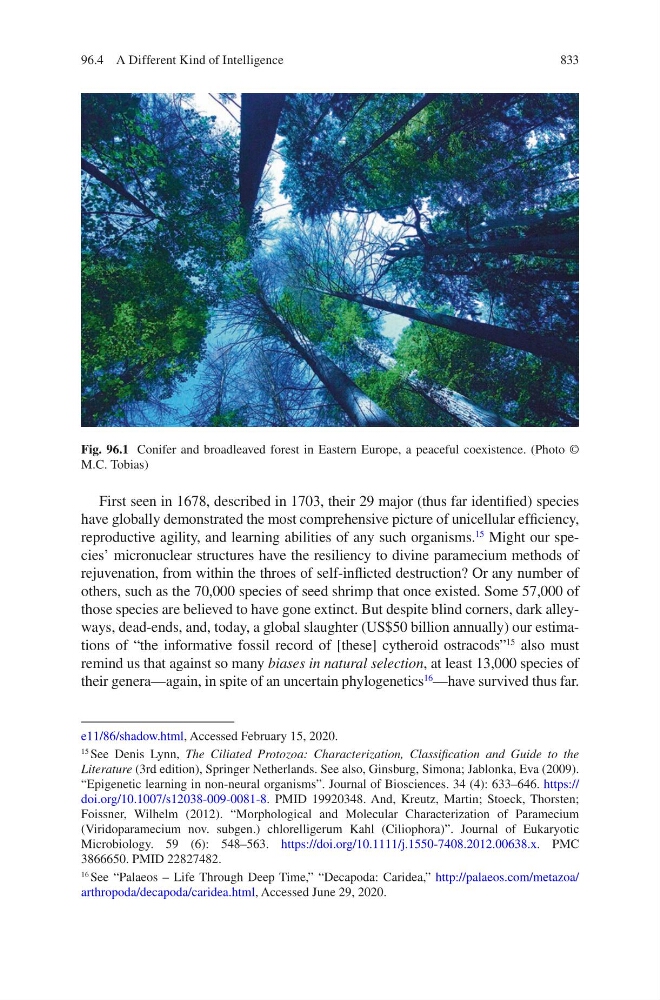
Fig. 96.1 Conifer and broadleaved forest in Eastern Europe, a peaceful coexistence. (Photo ©
M.C. Tobias)
96.4 A Different Kind of Intelligence