

728
summary of all those individuals that they’d rescued from torture and oblivion. We
use the term “oblivion” as something other than nothingness, a crucial measure of
Carnap’s actual emphasis on logic which, by all the vicissitudes of humanity’s
ordeals, bespeaks pre-existing volumes in hunches, gestures, and intuitions. The
descendants of such oblivions, and their descendants’ offspring, argue for both theory and hypothesis. The computations that would be necessary to somehow ordain
a general law of Nature that factors in oblivion do not reach the level of a qualitative
fundament because, as with vagueness and obscurity, we are dealing in transitions
akin to the eco-dynamic flux which offer no levels of confidence, only patterns,
tendencies, and numbers that are vulnerable by definition. Beneath the vagaries of
vulnerability is the staying power of synderesis, the myriad sparks of conscience.
Any one of those sparks can ignite.
What are we saying by this? Our expectations for a defined quality of life, one
methodologically assured as an a posteriori set of received observations, would suggest a wonderful relationship between our species and that of, say, more than million species within the principal three phylae of worms (flat, round, and segmented),
all breathing in oxygen, exhaling carbon dioxide; all with brains surer, more
primevally fitted, and a greater calculus of feeling than, at first glance, most of us
might assume. In Nature seek both identity and relationships. That is the surest cure
for the multitude of taxonomic labels that have continued the myth of separateness
and the mentality of pests, bio-invasives, and enemies. There are no enemies
in Nature.
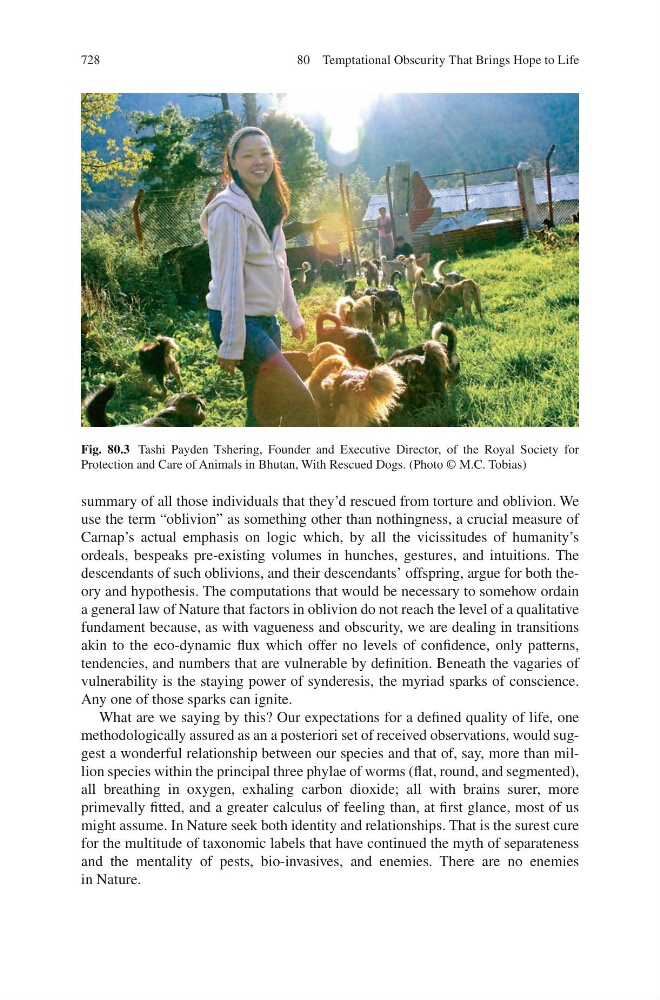
Fig. 80.3 Tashi Payden Tshering, Founder and Executive Director, of the Royal Society for
Protection and Care of Animals in Bhutan, With Rescued Dogs. (Photo © M.C. Tobias)
80 Temptational Obscurity That Brings Hope to Life