

46
Similarly, in approximately the same time frame of four human decades+, Homo
sapiens have altered, according to the WWF 2018 “Living Planet Report,“
2
some
“75% of terrestrial ecosystems,” “recorded an overall decline of 60% in [the population of] species,” and perturbed “83%” of freshwater systems. The sum of these
machinations comes at the price of our circus-like perturbations, the skewing, and
outright destruction of an estimated “US$125 trillion” of annual nature’s services; an
equivalent purchasing power parity (PPP) that just happens to be on a par with the
estimated average per capita dollar amount assigned to the current human population
of nearly 7.8 billion individuals. Our species commenced with $0.00 PPP and did
quite well, leaving scarcely a footprint. What happened? And equally important, in
terms of the escalating Anthropocene, how does our collective organism—this allegedly sapient species—perceive, cognize, and internalize what it is that is overwhelming our home, this planet? Is our self-destructiveness, and by it our annihilation of so
many of our living cohorts among some estimated 100 million other species, merely
one of many narratives, the pejorative one? Or merely some illusory paradox that is
fundamental to all of evolution, natural and sexual selection, of nature herself, and
therefore not a quintessential problem we need worry about, a passive illusion?
These queries are now stubborn and crucial ones, which we shall take up in this
work; an enigma that science in unable to address at the personal level (which is
critically important) spanning that exceptionally modern gulf between innocence
and experience. The appellations from poetry, art history, and the brief span, thus
far, of human evolution, encompass an ineluctable surge toward the aforecited
2 https://wwf.panda.org/knowledge_hub/all_publications/living_planet_report_2018/
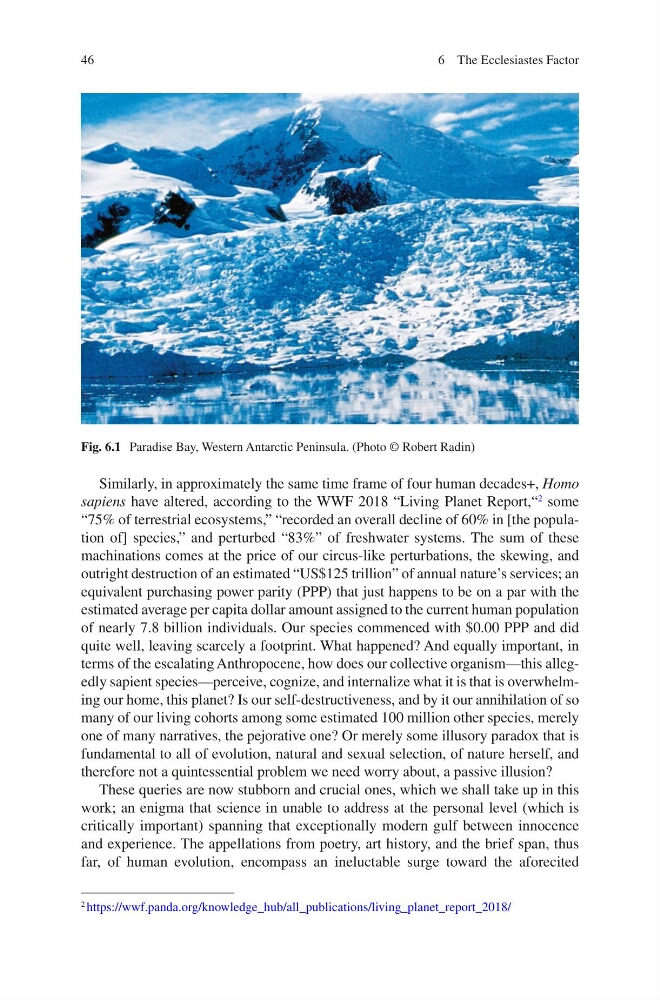
Fig. 6.1 Paradise Bay, Western Antarctic Peninsula. (Photo © Robert Radin)
6 The Ecclesiastes Factor
Similarly, in approximately the same time frame of four human decades+, Homo
sapiens have altered, according to the WWF 2018 “Living Planet Report,“
2
some
“75% of terrestrial ecosystems,” “recorded an overall decline of 60% in [the population of] species,” and perturbed “83%” of freshwater systems. The sum of these
machinations comes at the price of our circus-like perturbations, the skewing, and
outright destruction of an estimated “US$125 trillion” of annual nature’s services; an
equivalent purchasing power parity (PPP) that just happens to be on a par with the
estimated average per capita dollar amount assigned to the current human population
of nearly 7.8 billion individuals. Our species commenced with $0.00 PPP and did
quite well, leaving scarcely a footprint. What happened? And equally important, in
terms of the escalating Anthropocene, how does our collective organism—this allegedly sapient species—perceive, cognize, and internalize what it is that is overwhelming our home, this planet? Is our self-destructiveness, and by it our annihilation of so
many of our living cohorts among some estimated 100 million other species, merely
one of many narratives, the pejorative one? Or merely some illusory paradox that is
fundamental to all of evolution, natural and sexual selection, of nature herself, and
therefore not a quintessential problem we need worry about, a passive illusion?
These queries are now stubborn and crucial ones, which we shall take up in this
work; an enigma that science in unable to address at the personal level (which is
critically important) spanning that exceptionally modern gulf between innocence
and experience. The appellations from poetry, art history, and the brief span, thus
far, of human evolution, encompass an ineluctable surge toward the aforecited
2 https://wwf.panda.org/knowledge_hub/all_publications/living_planet_report_2018/
Fig. 6.1 Paradise Bay, Western Antarctic Peninsula. (Photo © Robert Radin)
6 The Ecclesiastes Factor