

663
of contours, dusks, and dawns, with respect to the core issue of why it is we are,
allegedly, aware of anything and what such awareness actually means.
5
Consciousness is subject to every conceivable verb and adjective. It binds, it
combines.
6
It exposes objects and qualities, while seeming to integrate information
with a neural contagion of prospects that differs from individual to individual, species to species. Fundamentally, consciousness remains an unknown aspect of
Nature, notwithstanding the appearance of our apperceptive awareness, of consciousness squared. With no clear remedy in sight, one possible way to come to
terms with the unknowable is to work our way backwards from the apparent results
of human consciousness, the eco-dynamic fallout of human interaction with its surroundings, the consequences of those interactions in the tangible world. That is one,
albeit, constantly in shift, set of focal points that strike us as real. Consciousness
gravitates toward creation and destruction. That is a requisite beginning for grasping
cause and effect.
Those effects appear to us as our inflictions, and the sum of our impacts, regardless of how philosophers of mind care to characterizes the nature of that which
senses, perceives, is part of, or apart from the ensuing combinatory reactivities, in
stark biochemical terms. Such ecological forensics, objectified evidence of every
5 AfricaNews, “Evidence of earliest human massacre 10,000 years ago found in Kenya,” https://
www.youtube.com/watch?v=Qaq1BdT3w0E, Accessed August 27, 2019.
6 See “The Overpopulation Project, Population Matters,” in “Population Growth Threatens One
Million Species With Extinction,” Caps News, Summer 2019, Vol. 60, No. 1, p. 4.
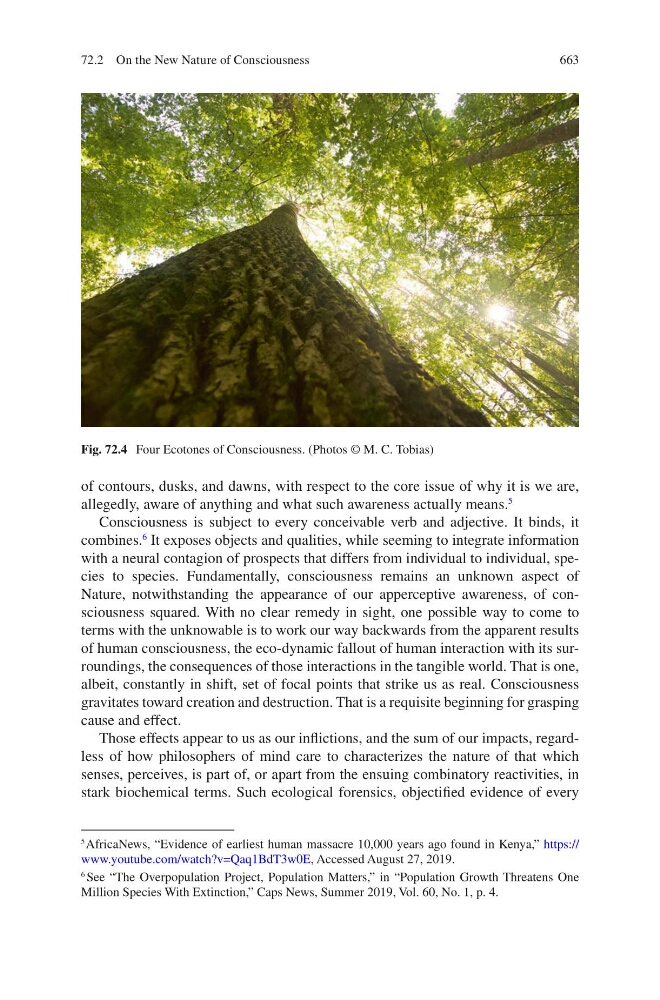
Fig. 72.4 Four Ecotones of Consciousness. (Photos © M. C. Tobias)
72.2 On the New Nature of Consciousness