

634
particularly have won over the public—the brilliant Histoire Naturelle des
Lépidoptères Exotiques of Pierre Hippolyte Lucas (F. Savy, Libraire-Editeur, Paris
1845), for example, and the 1718 masterpiece by Merian, Erucarum ortus, alimentum et paradoxa metamorphosis.
But ultimately, with few exceptions, butterflies and lady bugs most notably, the
human species appears to despise most Insecta and Arachnida. At issue is our very
uncertainty about them, and our place, versus theirs, in the world. Tics, mites, scorpions, and the like make us nervous. Or worse.
Taken to the level of what we like to think of as human civilization (only entomologists and very generous philosophers spend much time discussing insect and
spider civilizations), the mussiness of Ludwig Wittgenstein’s final essay on
“Certainty” allows little doubt as to our own infernal illogic, as we extrapolate from
the exploded scenes of our own wanton stings, crushing crusades, ephemeral glories, and overall fireworks—no Hubert Robert, Carlo Dolci or Master of the Parrot:
this is the humanscape—between the topological powerlines, the rivers of effluent
and freeways of strewn axons firing. Every human expression, want, remnant translates into no visibility conditions. Our sense cannot evade or gain, even internal
perspective on this most essential of all dilemmas. We are trapped in our perceptual
finitude. Socrates and most subsequent thinkers have tired of the impossibility.
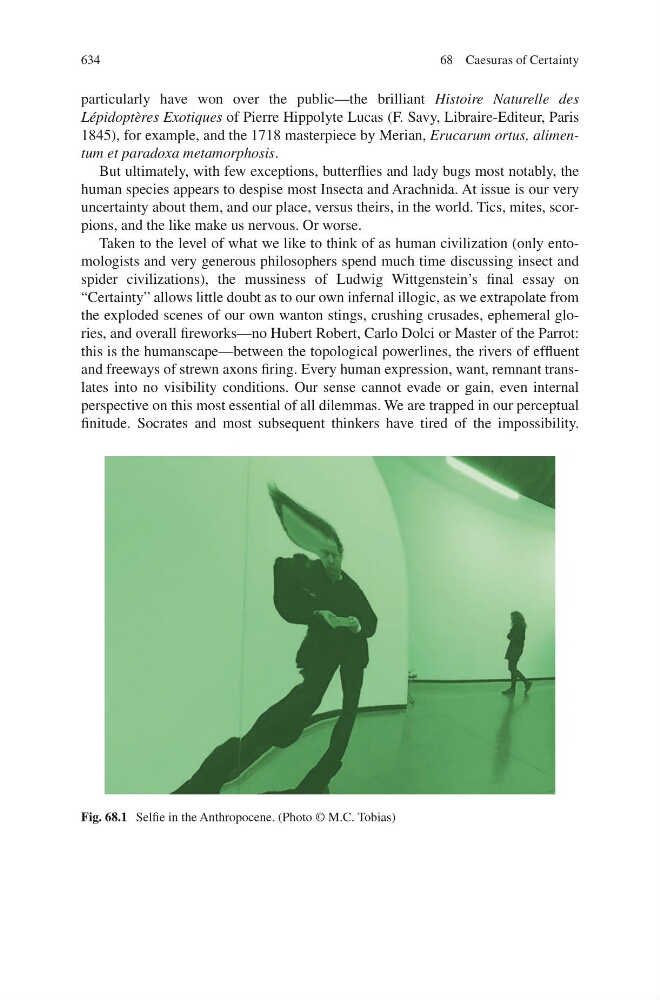
Fig. 68.1 Selfie in the Anthropocene. (Photo © M.C. Tobias)
68 Caesuras of Certainty