

610
dynamics” (clearly an area of more unknowns than knowns) and “plant and animal
distributions” in relation to biochemistry and physiology, again, extraordinarily
broad swathes of gap analysis.
2
Behavioral trends and distribution patterns are the product of perceptions, caught
out in the whorls of near meaningless syncretism and exegesis (a cascade of metadata without a meta-framework). Quasi-meaningless in so far as, to paraphrase
sculptor Henry Moore, every idea has a physical shape. But in the discrepancies of
thought surrounding the physical, and vice versa, historical interpretations of
2 By N. Gilbert, AQ. P. Gutierrez, B. D. Frazer, and R. E. Jones, W.H. Freeman and Company,
Reading and San Francisco, 1976, pp. 89–90.
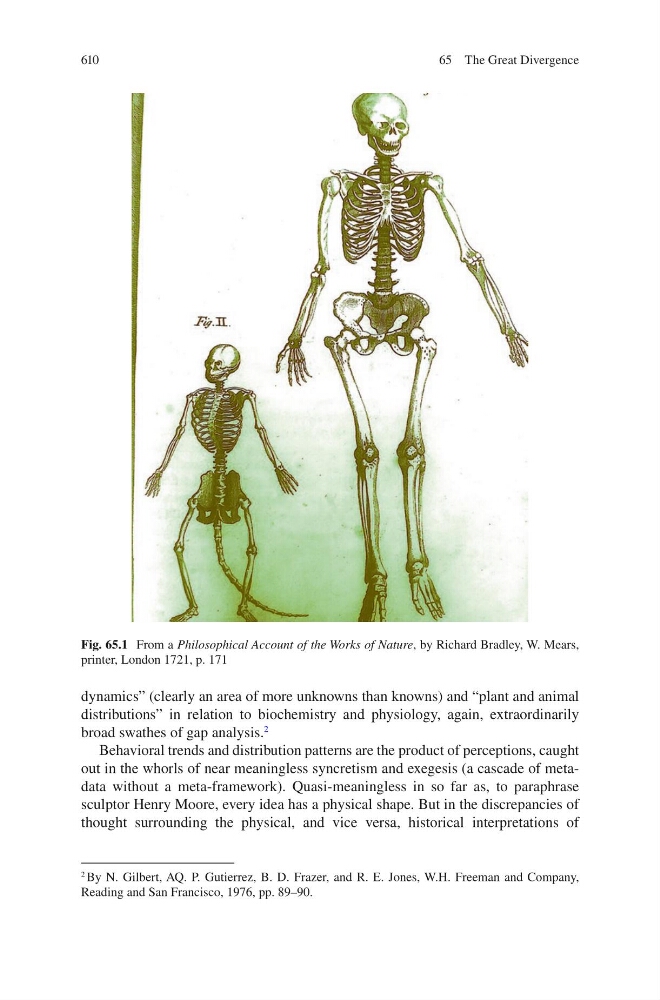
Fig. 65.1 From a Philosophical Account of the Works of Nature, by Richard Bradley, W. Mears,
printer, London 1721, p. 171
65 The Great Divergence
dynamics” (clearly an area of more unknowns than knowns) and “plant and animal
distributions” in relation to biochemistry and physiology, again, extraordinarily
broad swathes of gap analysis.
2
Behavioral trends and distribution patterns are the product of perceptions, caught
out in the whorls of near meaningless syncretism and exegesis (a cascade of metadata without a meta-framework). Quasi-meaningless in so far as, to paraphrase
sculptor Henry Moore, every idea has a physical shape. But in the discrepancies of
thought surrounding the physical, and vice versa, historical interpretations of
2 By N. Gilbert, AQ. P. Gutierrez, B. D. Frazer, and R. E. Jones, W.H. Freeman and Company,
Reading and San Francisco, 1976, pp. 89–90.
Fig. 65.1 From a Philosophical Account of the Works of Nature, by Richard Bradley, W. Mears,
printer, London 1721, p. 171
65 The Great Divergence