

572
60.2 Wet Markets
This brings us to the current situation with “wet markets.” National Public Radio
journalist Jason Beaubien reported on the Tai Po wet market in Hong Kong, writing, “Live fish in open tubs splash water all over the floor. The countertops of the
stalls are red with blood as fish are gutted and filleted right in front of the customer’s eyes. Live turtles and crustaceans climb over each other in boxes. Melting
ice adds to the slush on the floor. There’s lots of water, blood, fish scales, and
chicken guts.” The market also sells “Himalayan palm civets, raccoon dogs, wild
boars and cobras.”
5
The reality of such wet markets had fully erupted early in 2019.
Noted animal rights philosophers Peter Singer and Paola Cavalieri wrote, “At
China’s wet markets, many different animals are sold and killed to be eaten: wolf
cubs, snakes, turtles, guinea pigs, rats, otters, badgers, and civets. Similar markets
exist in many Asian countries, including Japan, Vietnam, and the Philippines.”
6
Zoologist Juliet Gellatley declared, with reference to the Wuhan live-animal mar5 Why They’re Called ‘Wet Markets’ – And What Health Risks They Might Pose,” Jason Beaubien,
January 31, 2020, NPR, https://www.npr.org/sections/goatsandsoda/2020/01/31/800975655/
why-theyre-called-wet-markets-and-what-health-risks-they-might-pose.
6 “The Two Dark Sides of COVID-19,” Peter Singer, Paola Cavalieri, March 2, 2020, https://www.
project-syndicate.org/commentary/wet-markets-breeding-ground-for-new-coronavirus-by-petersinger-and-paola-cavalieri-2020-03.
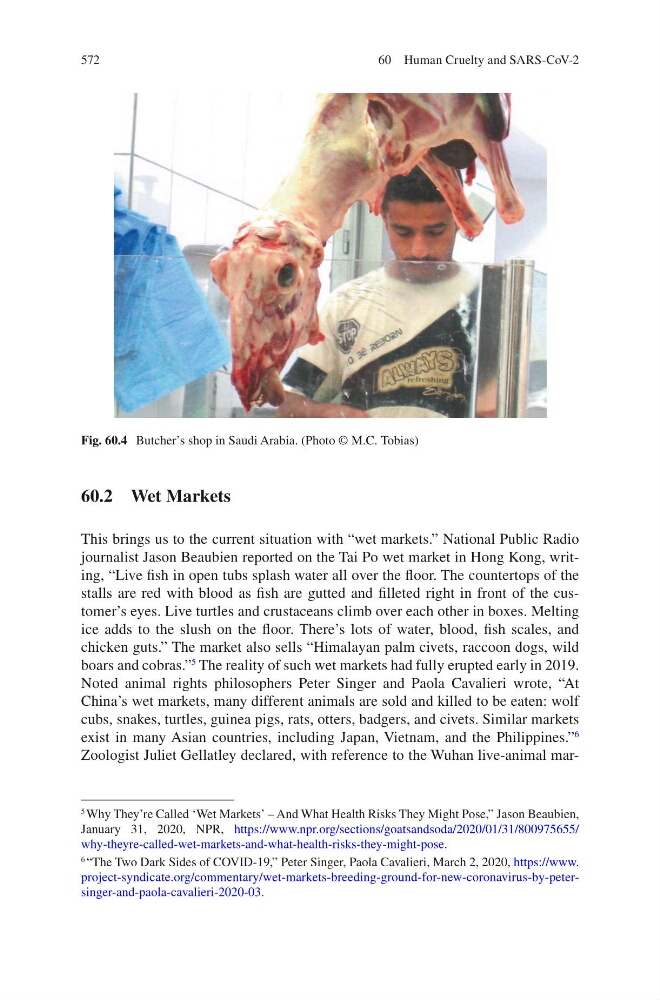
Fig. 60.4 Butcher’s shop in Saudi Arabia. (Photo © M.C. Tobias)
60 Human Cruelty and SARS-CoV-2
60.2 Wet Markets
This brings us to the current situation with “wet markets.” National Public Radio
journalist Jason Beaubien reported on the Tai Po wet market in Hong Kong, writing, “Live fish in open tubs splash water all over the floor. The countertops of the
stalls are red with blood as fish are gutted and filleted right in front of the customer’s eyes. Live turtles and crustaceans climb over each other in boxes. Melting
ice adds to the slush on the floor. There’s lots of water, blood, fish scales, and
chicken guts.” The market also sells “Himalayan palm civets, raccoon dogs, wild
boars and cobras.”
5
The reality of such wet markets had fully erupted early in 2019.
Noted animal rights philosophers Peter Singer and Paola Cavalieri wrote, “At
China’s wet markets, many different animals are sold and killed to be eaten: wolf
cubs, snakes, turtles, guinea pigs, rats, otters, badgers, and civets. Similar markets
exist in many Asian countries, including Japan, Vietnam, and the Philippines.”
6
Zoologist Juliet Gellatley declared, with reference to the Wuhan live-animal mar5 Why They’re Called ‘Wet Markets’ – And What Health Risks They Might Pose,” Jason Beaubien,
January 31, 2020, NPR, https://www.npr.org/sections/goatsandsoda/2020/01/31/800975655/
why-theyre-called-wet-markets-and-what-health-risks-they-might-pose.
6 “The Two Dark Sides of COVID-19,” Peter Singer, Paola Cavalieri, March 2, 2020, https://www.
project-syndicate.org/commentary/wet-markets-breeding-ground-for-new-coronavirus-by-petersinger-and-paola-cavalieri-2020-03.
Fig. 60.4 Butcher’s shop in Saudi Arabia. (Photo © M.C. Tobias)
60 Human Cruelty and SARS-CoV-2