

547
Cheek against cheek, in the masterpiece known as “The Virgin of Vladimir,” painted
in Constantinople around 1131, illuminates the dolorous Virgin and Christ child,
“the embodiment of the divine in human form.”
6
But these are the obvious reaches, from a tree to the very Tree of Life. Far more
incomparable is that period of the late Middle Ages so ably envisioned by art historian Jacques Élie Faure when he establishes that “The French hero is the cathedral.”
7
However in England, “The art of the north demands the complicity of the vapor that
spreads through space, of the foliage, of the sleeping water, and the uncertain illumination of the night …. [as contrasted against] the abrupt dissociation of the social
forces, the defeat that comes day by day, even as man’s illusions recommence each
day, the mad charges, the feverish plunging of a civilization at the point of death.”
8
No strangers to the battlefields between the human soul and the long reach to its
artistic expression, Japanese referred to gardens and monuments that graced them
6 See The Illustrated History Of Art, by David Piper, Chancellor Press, London, 1981, p. 62.
7 Jacques Élie Faure, the Five-Volume History of Art, Volume 2, Mediaeval Art, Translated From
the French By Walter Pach, Garden City Publishing Co., Inc., New York, 1937, p. 342.
8 ibid., p. 354.
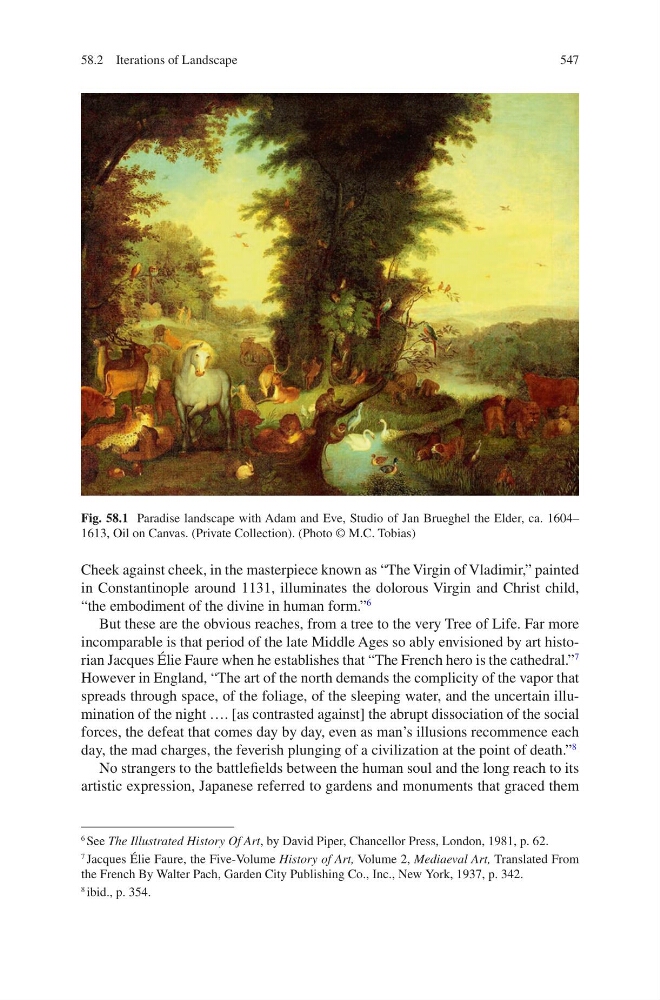
Fig. 58.1 Paradise landscape with Adam and Eve, Studio of Jan Brueghel the Elder, ca. 1604–
1613, Oil on Canvas. (Private Collection). (Photo © M.C. Tobias)
58.2 Iterations of Landscape
Cheek against cheek, in the masterpiece known as “The Virgin of Vladimir,” painted
in Constantinople around 1131, illuminates the dolorous Virgin and Christ child,
“the embodiment of the divine in human form.”
6
But these are the obvious reaches, from a tree to the very Tree of Life. Far more
incomparable is that period of the late Middle Ages so ably envisioned by art historian Jacques Élie Faure when he establishes that “The French hero is the cathedral.”
7
However in England, “The art of the north demands the complicity of the vapor that
spreads through space, of the foliage, of the sleeping water, and the uncertain illumination of the night …. [as contrasted against] the abrupt dissociation of the social
forces, the defeat that comes day by day, even as man’s illusions recommence each
day, the mad charges, the feverish plunging of a civilization at the point of death.”
8
No strangers to the battlefields between the human soul and the long reach to its
artistic expression, Japanese referred to gardens and monuments that graced them
6 See The Illustrated History Of Art, by David Piper, Chancellor Press, London, 1981, p. 62.
7 Jacques Élie Faure, the Five-Volume History of Art, Volume 2, Mediaeval Art, Translated From
the French By Walter Pach, Garden City Publishing Co., Inc., New York, 1937, p. 342.
8 ibid., p. 354.
Fig. 58.1 Paradise landscape with Adam and Eve, Studio of Jan Brueghel the Elder, ca. 1604–
1613, Oil on Canvas. (Private Collection). (Photo © M.C. Tobias)
58.2 Iterations of Landscape