

530
from hundreds of taxa, each an imperiled biography; ethical idealists and activists,
interdisciplinary pragmatists, field biologists, diverse sources of financial support,
science technologies, a legal infrastructure connoting some long-term level of assurance, monitoring and oversight, and a modicum of good tidings.
Animal rights and conservation biology have often had their problematic differences, the latter globally engaged, for example, in exterminating bio-invasives, like
the “5,036 feral pigs” slaughtered on Santa Cruz Island, 18 miles from the city of
Ventura, on the California Coast, by the combined efforts of the US National Park
Service and the Nature Conservancy.
11
Or the approximately 2 million non-native
Australian Brush-tailed Possums (Trichosurus vulpecula)—out of a current population of some 30–40 million individuals—destroyed annually in New Zealand to
counteract the possums’ nightly consumption of an estimated 42 million pounds of
native vegetation. That’s what they do. So irrationally loathsome are possums to
New Zealanders, that in one instance, “Kiwi” children at their South Auckland
school were drowning baby possums for fun, instigating international outrage that
was strictly short-lived, leaving most New Zealand animal rights activists marooned
if not outright undermined by a surrounding culture that murders non-natives without hesitation.
12
11 See “Island Pig Eradication Completed,” by Gregory W. Griggs, August 30, 2007, The Los
Angeles Times, https://www.latimes.com/archives/la-xpm-2007-aug-30-me-pigs30-story.html.
12 See “Horror at children drowning baby possums at Drury school event,” by Melissa Nightingale,
The New Zealand Herald, July 2, 2017.
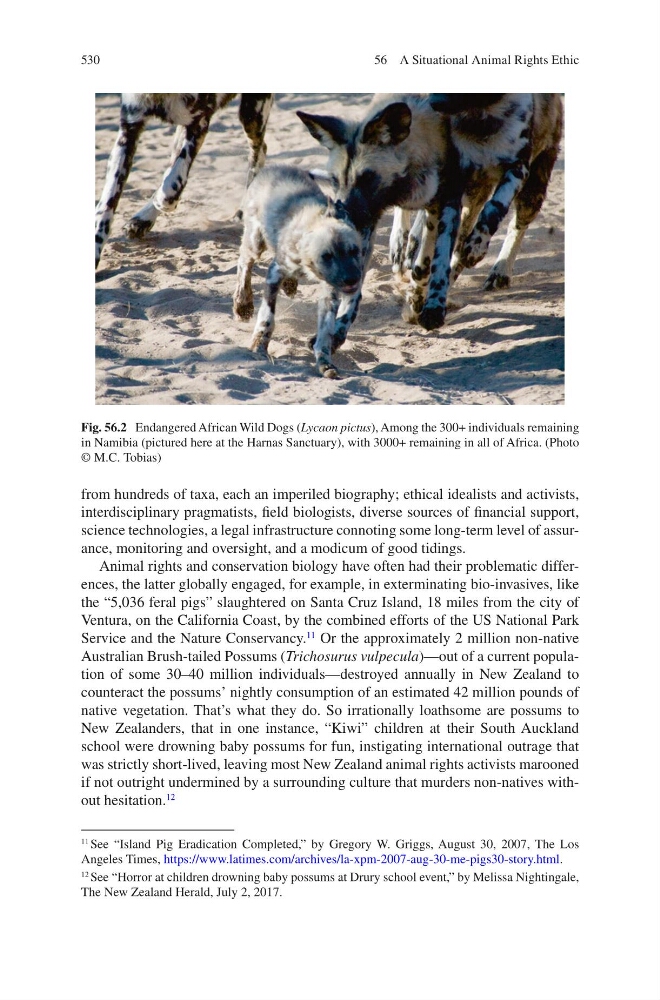
Fig. 56.2 Endangered African Wild Dogs (Lycaon pictus), Among the 300+ individuals remaining
in Namibia (pictured here at the Harnas Sanctuary), with 3000+ remaining in all of Africa. (Photo
© M.C. Tobias)
56 A Situational Animal Rights Ethic
from hundreds of taxa, each an imperiled biography; ethical idealists and activists,
interdisciplinary pragmatists, field biologists, diverse sources of financial support,
science technologies, a legal infrastructure connoting some long-term level of assurance, monitoring and oversight, and a modicum of good tidings.
Animal rights and conservation biology have often had their problematic differences, the latter globally engaged, for example, in exterminating bio-invasives, like
the “5,036 feral pigs” slaughtered on Santa Cruz Island, 18 miles from the city of
Ventura, on the California Coast, by the combined efforts of the US National Park
Service and the Nature Conservancy.
11
Or the approximately 2 million non-native
Australian Brush-tailed Possums (Trichosurus vulpecula)—out of a current population of some 30–40 million individuals—destroyed annually in New Zealand to
counteract the possums’ nightly consumption of an estimated 42 million pounds of
native vegetation. That’s what they do. So irrationally loathsome are possums to
New Zealanders, that in one instance, “Kiwi” children at their South Auckland
school were drowning baby possums for fun, instigating international outrage that
was strictly short-lived, leaving most New Zealand animal rights activists marooned
if not outright undermined by a surrounding culture that murders non-natives without hesitation.
12
11 See “Island Pig Eradication Completed,” by Gregory W. Griggs, August 30, 2007, The Los
Angeles Times, https://www.latimes.com/archives/la-xpm-2007-aug-30-me-pigs30-story.html.
12 See “Horror at children drowning baby possums at Drury school event,” by Melissa Nightingale,
The New Zealand Herald, July 2, 2017.
Fig. 56.2 Endangered African Wild Dogs (Lycaon pictus), Among the 300+ individuals remaining
in Namibia (pictured here at the Harnas Sanctuary), with 3000+ remaining in all of Africa. (Photo
© M.C. Tobias)
56 A Situational Animal Rights Ethic