

445
48.2 The New Zealand Paradox
Moreover, the escalation of chicken ills is astonishing. In just one country, New
Zealand, prided for her “Green” overtures, during the past 15 years the number of
murders rose from 80,600,000 chickens slaughtered in 2004 to 100 million in
2019.
17
New Zealand is a particularly telling nation of ecological paradox. That
“Clean, Green” mantra—its pride, for example, in all but eliminating Covid-19
before any other nation; its partly deserved fame in conservation biology and ecotourism circles—collapses at the level of environmental basal metabolism and nonviolence. As we wrote in 2010, after having worked for nearly 15 years to create and
maintain—with a tremendous team—a scientific wildlife preserve in that country,
those 80.6 million chickens slaughtered in 2004 “must have suffered far, far beyond
our ability to describe it, yet have less ‘significance’ to the country, than grapes and
pumpkins in terms of economic ratings”.
18
They are abstracted into some heinous
purgatory of absolute human denial that festers between a cheap wine and sautéed
broccoli.
17 See God’s Country: The New Zealand Factor, by M. C. Tobias and J. G. Morrison, A Dancing
Star Foundation Book, Zorba Press, Ithaca, New York, 2011, p. 359. See also, https://figure.nz/
chart/QzXp9lsqIAJr9v1x, Accessed May 3, 2020.
18 ibid., God’s Country, pp. 358–359.
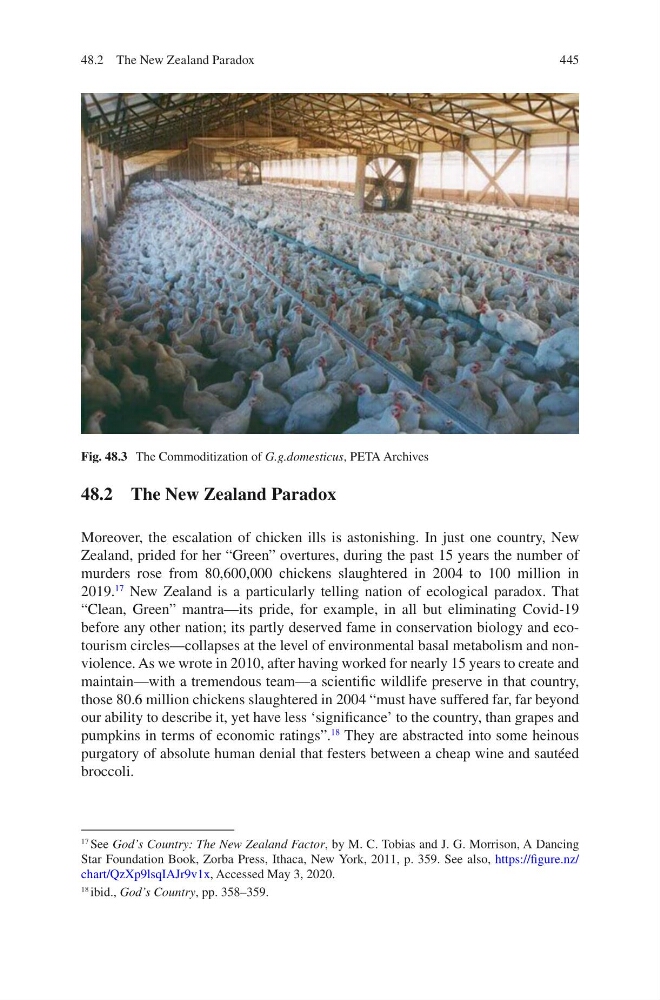
Fig. 48.3 The Commoditization of G.g.domesticus, PETA Archives
48.2 The New Zealand Paradox
48.2 The New Zealand Paradox
Moreover, the escalation of chicken ills is astonishing. In just one country, New
Zealand, prided for her “Green” overtures, during the past 15 years the number of
murders rose from 80,600,000 chickens slaughtered in 2004 to 100 million in
2019.
17
New Zealand is a particularly telling nation of ecological paradox. That
“Clean, Green” mantra—its pride, for example, in all but eliminating Covid-19
before any other nation; its partly deserved fame in conservation biology and ecotourism circles—collapses at the level of environmental basal metabolism and nonviolence. As we wrote in 2010, after having worked for nearly 15 years to create and
maintain—with a tremendous team—a scientific wildlife preserve in that country,
those 80.6 million chickens slaughtered in 2004 “must have suffered far, far beyond
our ability to describe it, yet have less ‘significance’ to the country, than grapes and
pumpkins in terms of economic ratings”.
18
They are abstracted into some heinous
purgatory of absolute human denial that festers between a cheap wine and sautéed
broccoli.
17 See God’s Country: The New Zealand Factor, by M. C. Tobias and J. G. Morrison, A Dancing
Star Foundation Book, Zorba Press, Ithaca, New York, 2011, p. 359. See also, https://figure.nz/
chart/QzXp9lsqIAJr9v1x, Accessed May 3, 2020.
18 ibid., God’s Country, pp. 358–359.
Fig. 48.3 The Commoditization of G.g.domesticus, PETA Archives
48.2 The New Zealand Paradox