

408
universe, but without the least certainty or resolvable context, the equivalent to an
entire manuscript of Roman dodecahedron-like puzzles. A language of nature both
lost and perpetually tantalizing, encompassing perhaps the very meaning, and
meaninglessness, of human destiny.
Not that it should matter. The best muses are those ecological secrets before
which we ourselves remain both unwitting partners and strangers. Or, translated
differently, “we are ourselves the best muses, secrets, strangers….” However it is
elucidated, and notwithstanding a history of despair—the Black Death of 1347/1348
killed probably half the island’s human population; the Greco-Turkish War in 1897
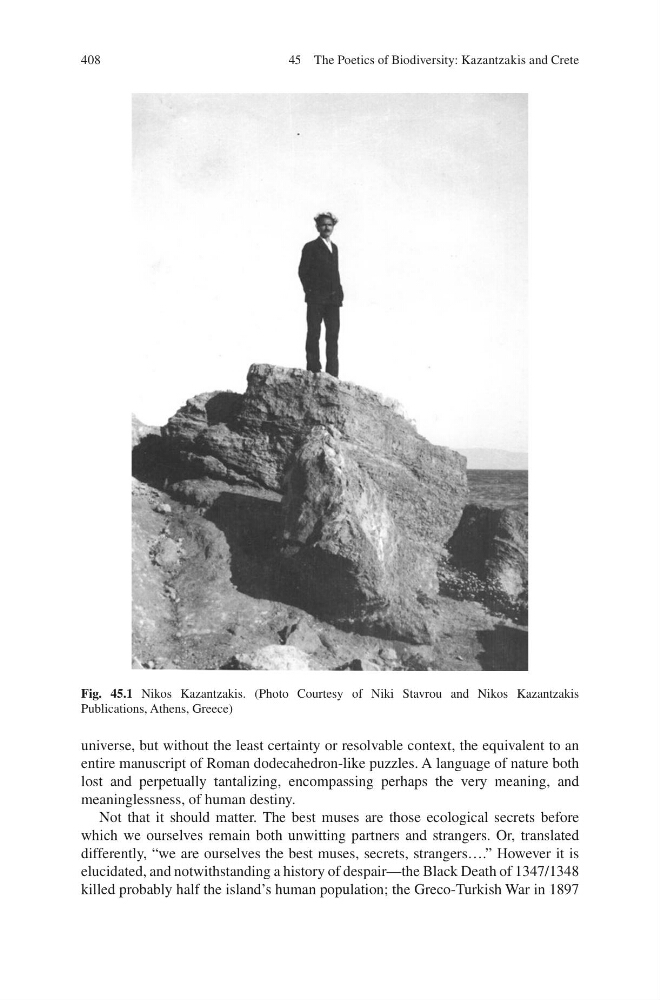
Fig. 45.1 Nikos Kazantzakis. (Photo Courtesy of Niki Stavrou and Nikos Kazantzakis
Publications, Athens, Greece)
45 The Poetics of Biodiversity: Kazantzakis and Crete
universe, but without the least certainty or resolvable context, the equivalent to an
entire manuscript of Roman dodecahedron-like puzzles. A language of nature both
lost and perpetually tantalizing, encompassing perhaps the very meaning, and
meaninglessness, of human destiny.
Not that it should matter. The best muses are those ecological secrets before
which we ourselves remain both unwitting partners and strangers. Or, translated
differently, “we are ourselves the best muses, secrets, strangers….” However it is
elucidated, and notwithstanding a history of despair—the Black Death of 1347/1348
killed probably half the island’s human population; the Greco-Turkish War in 1897
Fig. 45.1 Nikos Kazantzakis. (Photo Courtesy of Niki Stavrou and Nikos Kazantzakis
Publications, Athens, Greece)
45 The Poetics of Biodiversity: Kazantzakis and Crete