

398
Carlo Lorenzini (1826–1890), who would take up arms in the Italian movement for
unification in the mid-nineteenth century, a War of Independence in 1848 that
aspired to see Giuseppe Mazzini and others of the Risorgimento, among them
Giuseppe Garibaldi and Victor Emmanuel II, help bring down the existing leadership. Lorenzini’s Il Lampioni, a daily newspaper he created, meant to aid Italy’s
political turns of fortune through political satire, was a short-lived endeavor, shut
down with the rise of the Grand Duke Leopold who did not take kindly to such
criticism.
This politically inclined skeptic, Lorenzini, a hard-nosed journalist, soldier of
fortune, was thus waylaid mid-course by the last thing on earth he was expecting: to
translate children’s stories for a publisher in his home town of Florence. Despite his
writing two scarcely received novels (Un romanzo in vapore and Il viaggio per
l’Italia di Giannettino), he had probably given up on the idea of a Lorenzini breaking into that rarified realm of great literature. Or had he decided on a course of
delightful heresy? The aftermath of this little saga would suggest that to be the
case—but real life does not anticipate such hindsight. In either case, whatever the
real motive, Collodi was about to change the course of history.
By 1860, he was using his penname, Collodi, the name of his mother’s village.
What was he thinking? Did he have the slightest inkling of what was to come?
It was the year 1875 when the small publisher in Florence specializing in children’s materials, Felice Paggi, suggested to this linguistically adept would-be
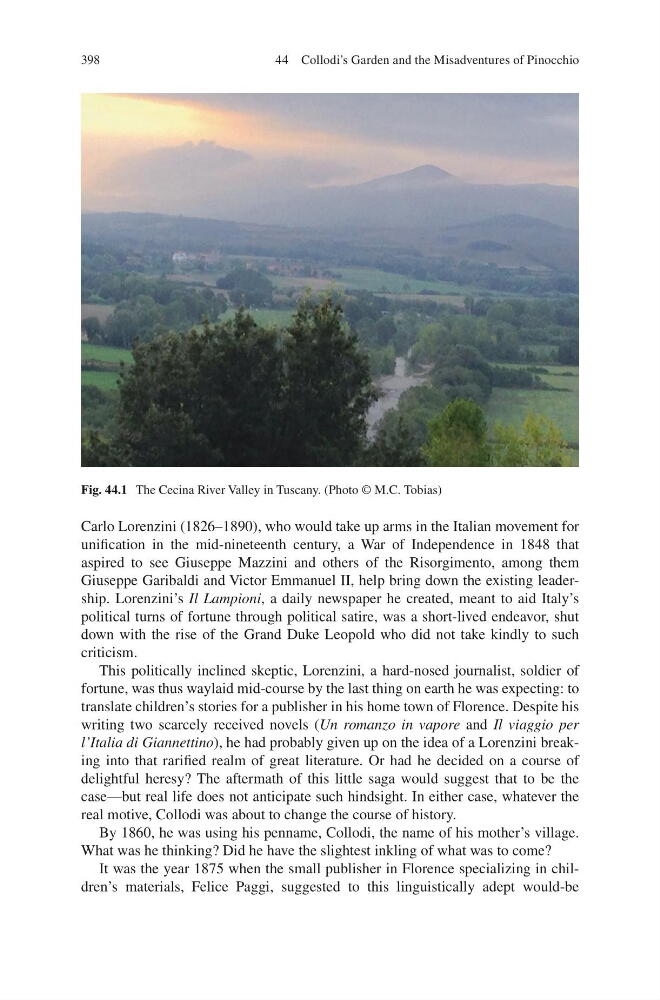
Fig. 44.1 The Cecina River Valley in Tuscany. (Photo © M.C. Tobias)
44 Collodi’s Garden and the Misadventures of Pinocchio
Carlo Lorenzini (1826–1890), who would take up arms in the Italian movement for
unification in the mid-nineteenth century, a War of Independence in 1848 that
aspired to see Giuseppe Mazzini and others of the Risorgimento, among them
Giuseppe Garibaldi and Victor Emmanuel II, help bring down the existing leadership. Lorenzini’s Il Lampioni, a daily newspaper he created, meant to aid Italy’s
political turns of fortune through political satire, was a short-lived endeavor, shut
down with the rise of the Grand Duke Leopold who did not take kindly to such
criticism.
This politically inclined skeptic, Lorenzini, a hard-nosed journalist, soldier of
fortune, was thus waylaid mid-course by the last thing on earth he was expecting: to
translate children’s stories for a publisher in his home town of Florence. Despite his
writing two scarcely received novels (Un romanzo in vapore and Il viaggio per
l’Italia di Giannettino), he had probably given up on the idea of a Lorenzini breaking into that rarified realm of great literature. Or had he decided on a course of
delightful heresy? The aftermath of this little saga would suggest that to be the
case—but real life does not anticipate such hindsight. In either case, whatever the
real motive, Collodi was about to change the course of history.
By 1860, he was using his penname, Collodi, the name of his mother’s village.
What was he thinking? Did he have the slightest inkling of what was to come?
It was the year 1875 when the small publisher in Florence specializing in children’s materials, Felice Paggi, suggested to this linguistically adept would-be
Fig. 44.1 The Cecina River Valley in Tuscany. (Photo © M.C. Tobias)
44 Collodi’s Garden and the Misadventures of Pinocchio