

342
What we do know is so variable as to require multiplication by nearly 7.8 billion
human natures. And that said, we still do not know what “nature” means. Less than
10%, approximately, of all books published are biographies or studies of psychology and/or philosophy. Of course, the majority of publications are fiction or “howto” from which we glean—those who even read—the bulk of our literary impressions.
Social media, tweets, and real bird-song account, to be sure, for other untapped
quantities, unfathomed qualities, of human experience, outside the experience of
experience. But there is no reliable sourcing or rating of inspiration, insight, intuition, expectation, hope, despair, or other feelings.
Of course, we witness local tonics for, and analogies with liberation and the premonition of success, at various levels. Better treatment—but it can by no means be
generalized—of humans, of cats and dogs and Giant Pandas, while rodeos and bullfighting continue. But the catalysts of ethics and moral suasion overall remain far
behind the plodding missteps of humanity’s endless debacles and usually fumbling
efforts at redemption, an impossibility even over one grave, let alone a genocidal trench.
Democracies have come to take all the potholes and missteps as fundamental,
albeit Sisyphean progress. At least, says science, by liberal policies and the continuing poetic metaphors, there is movement forward, however riddled that path may be.
But definitive significant change occurs only as the result of a linear event, typically
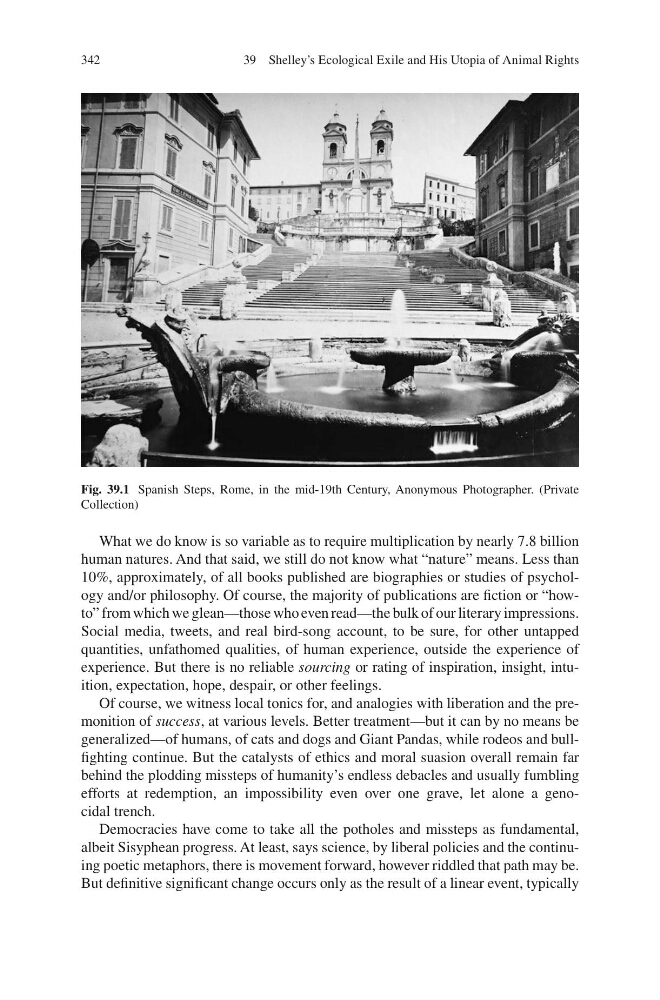
Fig. 39.1 Spanish Steps, Rome, in the mid-19th Century, Anonymous Photographer. (Private
Collection)
39 Shelley’s Ecological Exile and His Utopia of Animal Rights
What we do know is so variable as to require multiplication by nearly 7.8 billion
human natures. And that said, we still do not know what “nature” means. Less than
10%, approximately, of all books published are biographies or studies of psychology and/or philosophy. Of course, the majority of publications are fiction or “howto” from which we glean—those who even read—the bulk of our literary impressions.
Social media, tweets, and real bird-song account, to be sure, for other untapped
quantities, unfathomed qualities, of human experience, outside the experience of
experience. But there is no reliable sourcing or rating of inspiration, insight, intuition, expectation, hope, despair, or other feelings.
Of course, we witness local tonics for, and analogies with liberation and the premonition of success, at various levels. Better treatment—but it can by no means be
generalized—of humans, of cats and dogs and Giant Pandas, while rodeos and bullfighting continue. But the catalysts of ethics and moral suasion overall remain far
behind the plodding missteps of humanity’s endless debacles and usually fumbling
efforts at redemption, an impossibility even over one grave, let alone a genocidal trench.
Democracies have come to take all the potholes and missteps as fundamental,
albeit Sisyphean progress. At least, says science, by liberal policies and the continuing poetic metaphors, there is movement forward, however riddled that path may be.
But definitive significant change occurs only as the result of a linear event, typically
Fig. 39.1 Spanish Steps, Rome, in the mid-19th Century, Anonymous Photographer. (Private
Collection)
39 Shelley’s Ecological Exile and His Utopia of Animal Rights