

330
and Denise Levertov in “Bearing the Light”
3
all fall into a similitude of light and
darkness, the dyad diversifies its implications for an era smitten by apperceptions of
the Apocalypse, the conquest of darkness over daylight.
But such end of days is also the fundamental problem, or paradox, in this case. It
is as difficult (or impossible) to fathom as that equally vexing perturbation of photons in a vacuum moving at the speed of light, 299,792,458 miles per second. Or
Bose-Einstein statistics, energy states rapidly evolving realities of such biological
studies as the photosynthetic potential loadings on vertical high-rises or the “impact
of artificial light at night (ALAN) on crepuscular and nocturnal biodiversity”.
4
In
addition to that most perdurable of all motifs, the central question of every quest, the
very idea of God—agnostic or otherwise—on day one. We point our fingers toward
the Sun and other stars, or calculate the corners and causes of darkness from the
many waxing moon phase calendars. But, ultimately, submit to what it is. Unlike
3 For famed poems on light and dark, see, “10 of the Best Poems About Light,” “Interesting
Literature,” https://interestingliterature.com/2019/07/10-of-the-best-poems-about-light/; and “10
of the Best Poems about Darkness,” “Interesting Literature,” selected by Dr Oliver Tearle, https://
interestingliterature.com/2018/02/10-of-the-best-poems-about-darkness/amp/. Accessed March
31, 2020.
4 See “The impact of artificial light at night on nocturnal insects: A review and synthesis,” by
Avalon C. S. Owens, and Sara M. Lewis, October 23, 2018, Ecology and Evolution, Wiley Online
Library, https://doi.org/10.1002/ece3.4557, https://onlinelibrary.wiley.com/doi/full/10.1002/
ece3.4557, Accessed March 31, 2020.
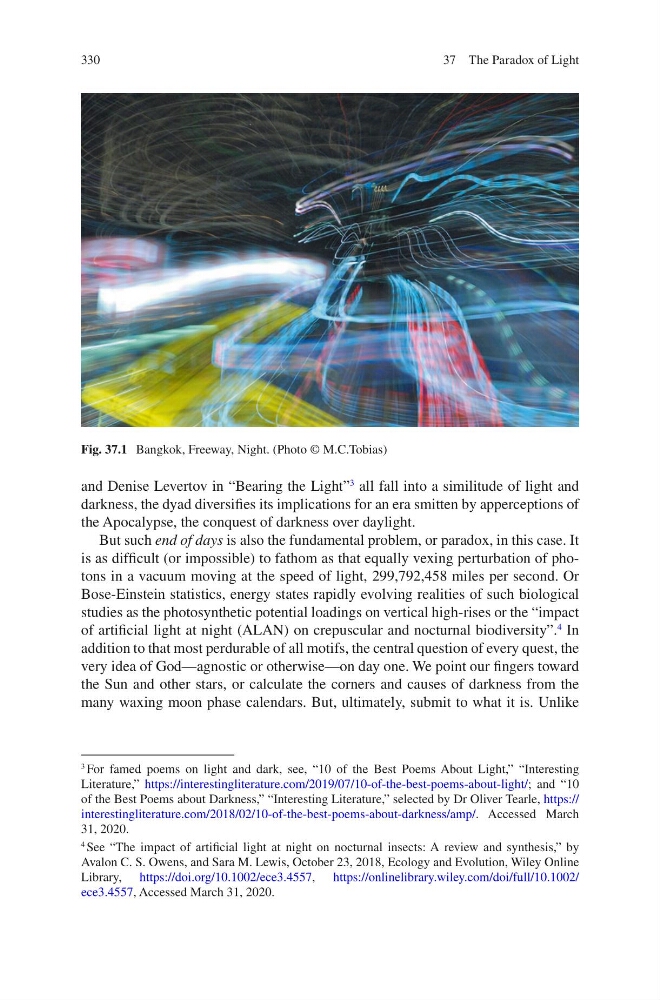
Fig. 37.1 Bangkok, Freeway, Night. (Photo © M.C.Tobias)
37 The Paradox of Light
and Denise Levertov in “Bearing the Light”
3
all fall into a similitude of light and
darkness, the dyad diversifies its implications for an era smitten by apperceptions of
the Apocalypse, the conquest of darkness over daylight.
But such end of days is also the fundamental problem, or paradox, in this case. It
is as difficult (or impossible) to fathom as that equally vexing perturbation of photons in a vacuum moving at the speed of light, 299,792,458 miles per second. Or
Bose-Einstein statistics, energy states rapidly evolving realities of such biological
studies as the photosynthetic potential loadings on vertical high-rises or the “impact
of artificial light at night (ALAN) on crepuscular and nocturnal biodiversity”.
4
In
addition to that most perdurable of all motifs, the central question of every quest, the
very idea of God—agnostic or otherwise—on day one. We point our fingers toward
the Sun and other stars, or calculate the corners and causes of darkness from the
many waxing moon phase calendars. But, ultimately, submit to what it is. Unlike
3 For famed poems on light and dark, see, “10 of the Best Poems About Light,” “Interesting
Literature,” https://interestingliterature.com/2019/07/10-of-the-best-poems-about-light/; and “10
of the Best Poems about Darkness,” “Interesting Literature,” selected by Dr Oliver Tearle, https://
interestingliterature.com/2018/02/10-of-the-best-poems-about-darkness/amp/. Accessed March
31, 2020.
4 See “The impact of artificial light at night on nocturnal insects: A review and synthesis,” by
Avalon C. S. Owens, and Sara M. Lewis, October 23, 2018, Ecology and Evolution, Wiley Online
Library, https://doi.org/10.1002/ece3.4557, https://onlinelibrary.wiley.com/doi/full/10.1002/
ece3.4557, Accessed March 31, 2020.
Fig. 37.1 Bangkok, Freeway, Night. (Photo © M.C.Tobias)
37 The Paradox of Light