

318
dim of mountain celery pine, or toatoa; and dense copses of kamahi and tree fuchsia.
Epiphytes, including orchidaceas, and a chorus of leaves catering to every possible whim of
the palate. Pseudopanax, Kohekohe, Kakabeak, Tutu and Shiny Karamu off which huge
water droplets fall onto the tongue. Southern Rata, Wineberry and Rhabdothamnus.
Hangehange and Black maire. Putaputaweta in its juvenile form dances forth from the ash
and peat and loam … whilst the windy days are floating in the air. The Olearia arborescens,
and countless see sprays from the coprosmas – crassifolia, rotundifolia, colensoi …
Everywhere the animals roam, starry white blossoms, like those of the lacebark …
Maidenhair ferns and the slender-trunked Blechnum fraseri … In the many creek beds, tree
and cave weta, stick insects, carabid, chafer and stag beetles moving unconcerned along the
rich leaf-bound bottomlands thick in red-fruiting supplejack, Peziza fungus and earth
tongue, as well as the Delicatula, or parachute mushroom. On the ends of broken limbs,
enormous masses of gill fungus infiltrate. And brightly displaying Russula and Entoloma
point their wet, brilliant coloring into light of day. Cicadas carouse through the nights,
native bees and Red Admiral butterflies amass around the cabbage trees at dawn, whilst web
spiders build their empires between tree ferns, one day at a time … [and raucous] company
is assured among the chorus of Tuis insisting on their biographies from branch to branch.
The very albino Kereru sweeps through occasionally, while green finches, great herons, and
the wandering Brown Kiwi come by now and then, [the Kiwi] probing with its flute-like
beak. It is a vast, strange, talkative community. All are friends. No squabbles. No lawyers
or accountants. Only the night craaacking of Little Blue penguins and, we pray, Yelloweyed. Even the Fiordland Crested Penguin has been known to venture this far north…
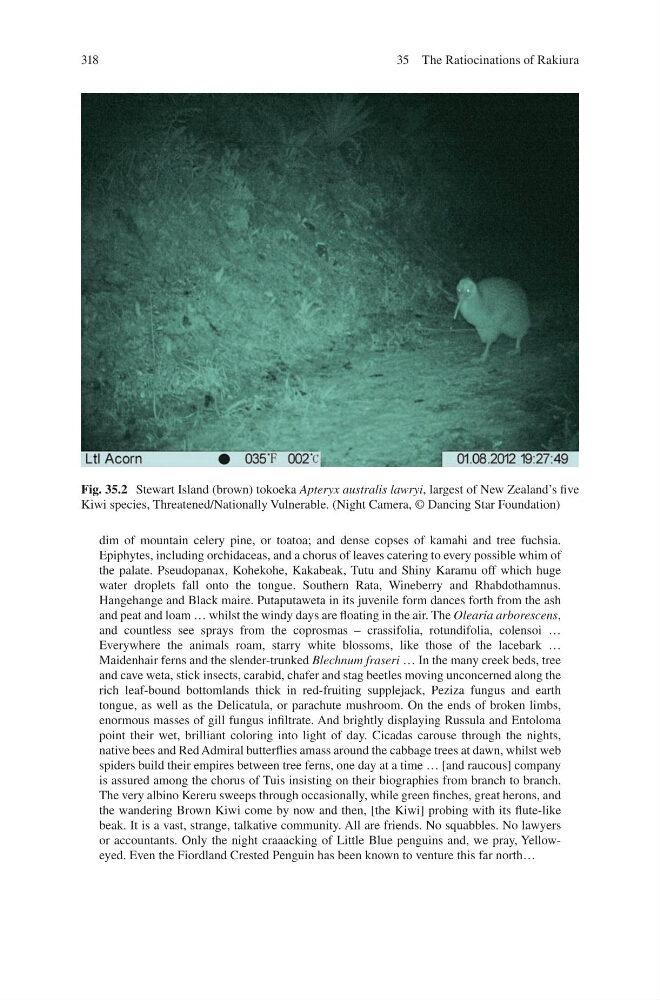
Fig. 35.2 Stewart Island (brown) tokoeka Apteryx australis lawryi, largest of New Zealand’s five
Kiwi species, Threatened/Nationally Vulnerable. (Night Camera, © Dancing Star Foundation)
35 The Ratiocinations of Rakiura
dim of mountain celery pine, or toatoa; and dense copses of kamahi and tree fuchsia.
Epiphytes, including orchidaceas, and a chorus of leaves catering to every possible whim of
the palate. Pseudopanax, Kohekohe, Kakabeak, Tutu and Shiny Karamu off which huge
water droplets fall onto the tongue. Southern Rata, Wineberry and Rhabdothamnus.
Hangehange and Black maire. Putaputaweta in its juvenile form dances forth from the ash
and peat and loam … whilst the windy days are floating in the air. The Olearia arborescens,
and countless see sprays from the coprosmas – crassifolia, rotundifolia, colensoi …
Everywhere the animals roam, starry white blossoms, like those of the lacebark …
Maidenhair ferns and the slender-trunked Blechnum fraseri … In the many creek beds, tree
and cave weta, stick insects, carabid, chafer and stag beetles moving unconcerned along the
rich leaf-bound bottomlands thick in red-fruiting supplejack, Peziza fungus and earth
tongue, as well as the Delicatula, or parachute mushroom. On the ends of broken limbs,
enormous masses of gill fungus infiltrate. And brightly displaying Russula and Entoloma
point their wet, brilliant coloring into light of day. Cicadas carouse through the nights,
native bees and Red Admiral butterflies amass around the cabbage trees at dawn, whilst web
spiders build their empires between tree ferns, one day at a time … [and raucous] company
is assured among the chorus of Tuis insisting on their biographies from branch to branch.
The very albino Kereru sweeps through occasionally, while green finches, great herons, and
the wandering Brown Kiwi come by now and then, [the Kiwi] probing with its flute-like
beak. It is a vast, strange, talkative community. All are friends. No squabbles. No lawyers
or accountants. Only the night craaacking of Little Blue penguins and, we pray, Yelloweyed. Even the Fiordland Crested Penguin has been known to venture this far north…
Fig. 35.2 Stewart Island (brown) tokoeka Apteryx australis lawryi, largest of New Zealand’s five
Kiwi species, Threatened/Nationally Vulnerable. (Night Camera, © Dancing Star Foundation)
35 The Ratiocinations of Rakiura