

247
In the case of the Dutch Republic, those well-versed denizens were equally
assured of new botanical frontiers to all sides, geographically.
22
And often, as was
so much the case in the Netherlands, the enthusiasm fueling human relationships
with flowers and their spiritual as well as economic values might morph into a
speculative frenzy over the market worth of certain tulip bulbs, valued at far more
than their weight in gold. And when crowded city life began to weigh on one’s soul,
gardens modeled after some version of those original hanging gardens of Eden were
readily at hand for a measure of time-out. In the Hague, on the way to the dunes of
Scheveningen, the famed politician Jacob Cats (1577–1660) created the gardens of
Sorghvliet, which stand to this day and roughly translate as “Leave your worries at
the gate.”
23
22 For information regarding the popularity of the horae, see Medieval Must-Haves: The Book of
Hours, by Sandra Hindman, Les Enluminures, Paris and New York, 2018, p. 11.
23 See “Sorghvliet – Leave your worries at the gate,” by Jacqueline Alder, https://ikgidsudoordenhaag.nl/en/sorghvliet-leave-worries-gate/, Accessed May 13, 2019; see also The Dutch Garden in
the Seventeenth Century, edited by John Dixon Hunt, Dumbarton Oaks Colloquia on the History
of Landscape Architecture, XII, Washington DC, Trustees for Harvard University, 1990.
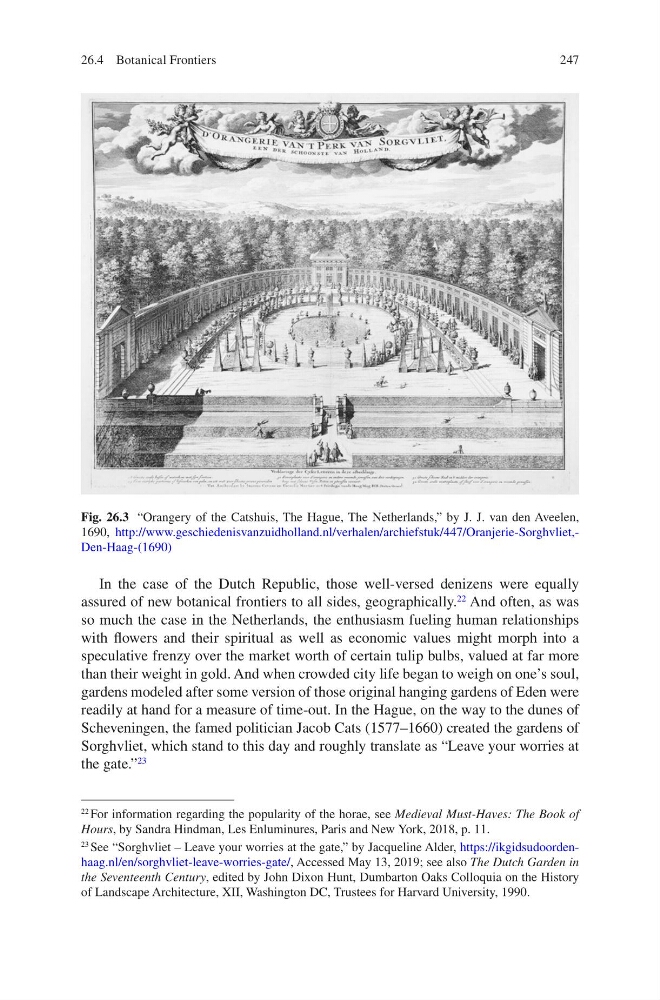
Fig. 26.3 “Orangery of the Catshuis, The Hague, The Netherlands,” by J. J. van den Aveelen,
1690, http://www.geschiedenisvanzuidholland.nl/verhalen/archiefstuk/447/Oranjerie- Sorghvliet,Den- Haag- (1690)
26.4 Botanical Frontiers
In the case of the Dutch Republic, those well-versed denizens were equally
assured of new botanical frontiers to all sides, geographically.
22
And often, as was
so much the case in the Netherlands, the enthusiasm fueling human relationships
with flowers and their spiritual as well as economic values might morph into a
speculative frenzy over the market worth of certain tulip bulbs, valued at far more
than their weight in gold. And when crowded city life began to weigh on one’s soul,
gardens modeled after some version of those original hanging gardens of Eden were
readily at hand for a measure of time-out. In the Hague, on the way to the dunes of
Scheveningen, the famed politician Jacob Cats (1577–1660) created the gardens of
Sorghvliet, which stand to this day and roughly translate as “Leave your worries at
the gate.”
23
22 For information regarding the popularity of the horae, see Medieval Must-Haves: The Book of
Hours, by Sandra Hindman, Les Enluminures, Paris and New York, 2018, p. 11.
23 See “Sorghvliet – Leave your worries at the gate,” by Jacqueline Alder, https://ikgidsudoordenhaag.nl/en/sorghvliet-leave-worries-gate/, Accessed May 13, 2019; see also The Dutch Garden in
the Seventeenth Century, edited by John Dixon Hunt, Dumbarton Oaks Colloquia on the History
of Landscape Architecture, XII, Washington DC, Trustees for Harvard University, 1990.
Fig. 26.3 “Orangery of the Catshuis, The Hague, The Netherlands,” by J. J. van den Aveelen,
1690, http://www.geschiedenisvanzuidholland.nl/verhalen/archiefstuk/447/Oranjerie- Sorghvliet,Den- Haag- (1690)
26.4 Botanical Frontiers