

228
environment to reflect activities which seemed internal and safe, residues of the
Golden Age. All those vistas, part water, part land, that engage residents who are to
Sturm und Drang what sherpas are to avalanche and whole winters snowed in. What
is undeniably fascinating about van Goyen’s genius is his ability, in scene after
scene, to invite the fascination which can only arise in the purview of differentiations. Every vision, no matter how similar to another, is entirely fresh. His focus is
so intense, his love of a specific genre and the details therein so comprehensive, as
to have lent van Goyen a posterity chiefly marked by his descendants laying claim
to possibly the most personal of all landscapists in history.
24.2 The Atlas of a Romantic
Van Goyen had moved from the city of his birth, Leiden, to The Hague in 1632,
where he resided in the town center along the Dunne Bierkade adjoining the
Groenewegie. At that time, the city’s population hovered around 15,000 and 70% of
the northern Netherlands was urban. The conurbations of The Hague, Amsterdam,
Rotterdam, and the like accented the vulnerabilities to water which an aesthetic
worldview could exploit, minimize, or integrate dramatically into the practical
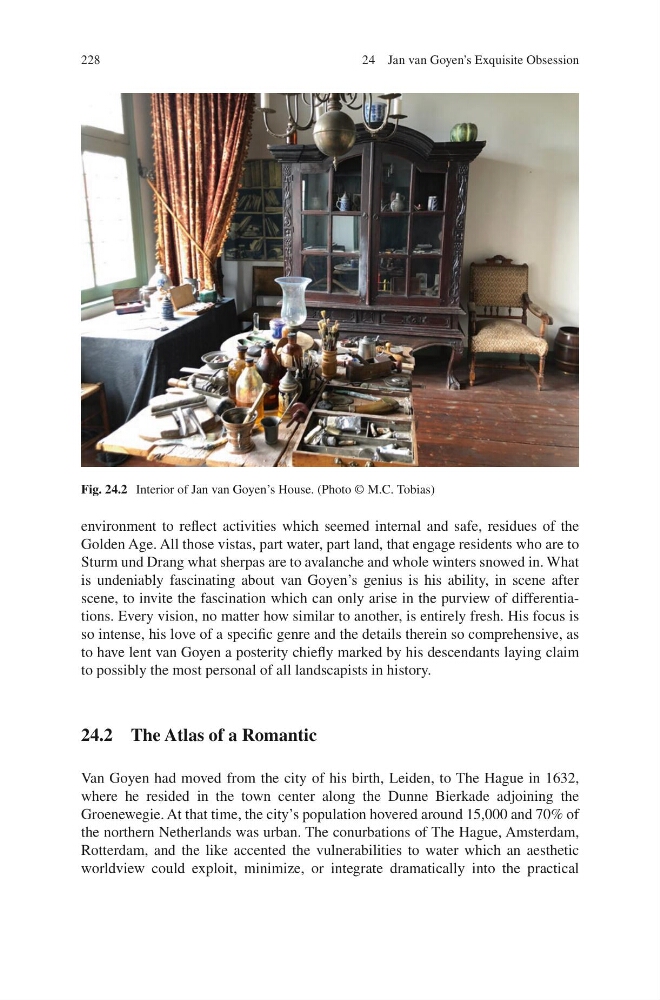
Fig. 24.2 Interior of Jan van Goyen’s House. (Photo © M.C. Tobias)
24 Jan van Goyen’s Exquisite Obsession
environment to reflect activities which seemed internal and safe, residues of the
Golden Age. All those vistas, part water, part land, that engage residents who are to
Sturm und Drang what sherpas are to avalanche and whole winters snowed in. What
is undeniably fascinating about van Goyen’s genius is his ability, in scene after
scene, to invite the fascination which can only arise in the purview of differentiations. Every vision, no matter how similar to another, is entirely fresh. His focus is
so intense, his love of a specific genre and the details therein so comprehensive, as
to have lent van Goyen a posterity chiefly marked by his descendants laying claim
to possibly the most personal of all landscapists in history.
24.2 The Atlas of a Romantic
Van Goyen had moved from the city of his birth, Leiden, to The Hague in 1632,
where he resided in the town center along the Dunne Bierkade adjoining the
Groenewegie. At that time, the city’s population hovered around 15,000 and 70% of
the northern Netherlands was urban. The conurbations of The Hague, Amsterdam,
Rotterdam, and the like accented the vulnerabilities to water which an aesthetic
worldview could exploit, minimize, or integrate dramatically into the practical
Fig. 24.2 Interior of Jan van Goyen’s House. (Photo © M.C. Tobias)
24 Jan van Goyen’s Exquisite Obsession