

221
with an irrepressible courage in the face of one of the worst and most sustained documented oppressions in human history—America. That, in itself, must rank as among
the worst forms of ecological paradox ever rained down upon a human community.
But Georgia’s own story continues: By 1960, there were an estimated “400 toxic
chemicals”—largely unregulated—being added to America’s ecosystems, and,
within the state of Georgia, “70 percent of the municipal sewage” was untreated at
the point of entry into her 14 river basins and nearly 110 rivers and creeks.
31
The
poorest of the poor—again African-Americans—tended to be the downstream victims of such pollution and hence some of the first attempts at environmental justice
in the United States grew up in Georgia.
As of 1967 that situation began to change, as organizations like the Georgia
Conservancy mobilized public awareness of what, to many, reads as one of the most
devastating biocultural regional histories anywhere in North America.
32
In 2002, the
Georgia Water Coalition emerged, eventually adding the voices of some “200
organizations committed to ensuring that water is managed fairly for all Georgians
and protected for future generations.”
33
31 ibid.
32 See https://www.georgiaconservancy.org/policies/water
33 See https://www.gawater.org/, Accessed April 20, 2019.
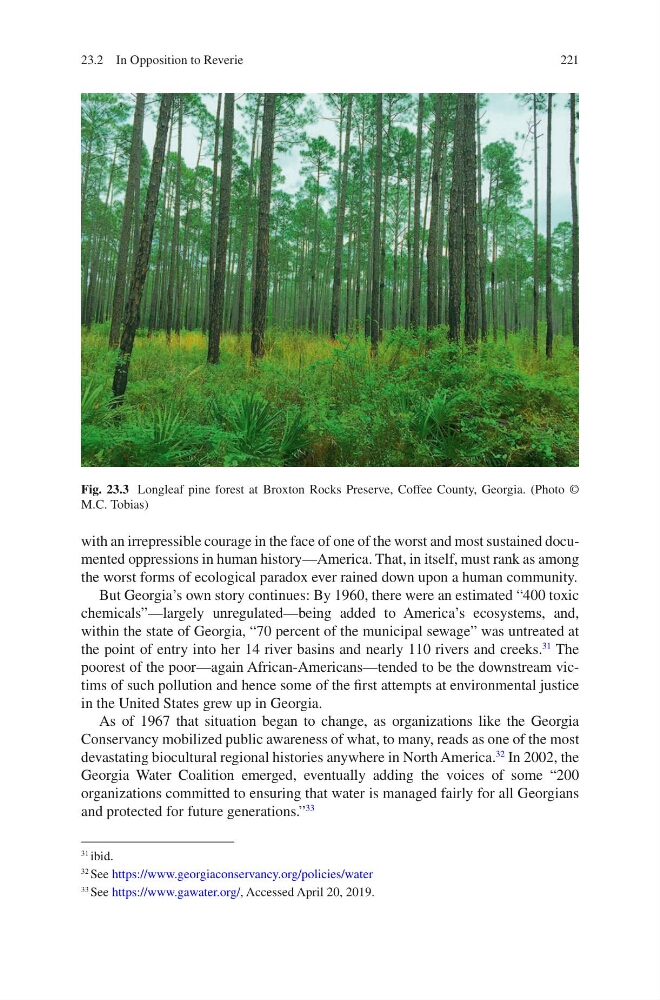
Fig. 23.3 Longleaf pine forest at Broxton Rocks Preserve, Coffee County, Georgia. (Photo ©
M.C. Tobias)
23.2 In Opposition to Reverie
with an irrepressible courage in the face of one of the worst and most sustained documented oppressions in human history—America. That, in itself, must rank as among
the worst forms of ecological paradox ever rained down upon a human community.
But Georgia’s own story continues: By 1960, there were an estimated “400 toxic
chemicals”—largely unregulated—being added to America’s ecosystems, and,
within the state of Georgia, “70 percent of the municipal sewage” was untreated at
the point of entry into her 14 river basins and nearly 110 rivers and creeks.
31
The
poorest of the poor—again African-Americans—tended to be the downstream victims of such pollution and hence some of the first attempts at environmental justice
in the United States grew up in Georgia.
As of 1967 that situation began to change, as organizations like the Georgia
Conservancy mobilized public awareness of what, to many, reads as one of the most
devastating biocultural regional histories anywhere in North America.
32
In 2002, the
Georgia Water Coalition emerged, eventually adding the voices of some “200
organizations committed to ensuring that water is managed fairly for all Georgians
and protected for future generations.”
33
31 ibid.
32 See https://www.georgiaconservancy.org/policies/water
33 See https://www.gawater.org/, Accessed April 20, 2019.
Fig. 23.3 Longleaf pine forest at Broxton Rocks Preserve, Coffee County, Georgia. (Photo ©
M.C. Tobias)
23.2 In Opposition to Reverie