

208
viewed them from close quarters. The chances of human contact with wild life in
these places are certainly slim. This means, there is also less chance of humans
spreading diseases and spreading new pathogens and chemical pollutants to these
places”
7
.
The linguistic and psychological relationship between Bhutanese and their ecological deities is intense. Interdependency with biodiversity in native Dzongkha
spells out any number of inroads to the connections: takor natang = environment;
ranjin natang = nature; ranjin natang lu gami = one who loves nature; nyingje = compassion; zoepa = nonviolence; gyalyong linger = sanctuary; ridag semchen = wildlife; larjung = renewable; sung chop = protect and preserve; Gyalyong Gakyid
Pelzom = Gross National Happiness; jha = bird; semchen = animal;
meegoe = yeti
8
.
In 2007 we trekked 130 kilometers into one of Bhutan’s most recently created
protected areas, the Sakteng Wildlife Sanctuary in the far east of the country, bordering the state of Arunachal Pradesh in northeastern-most India. Sakteng is one of
ten areas designated as a National Park, Wildlife Sanctuary, or Strict Nature Reserve,
in addition to eight connecting biological corridors. Their totality equals 19,084
square kilometers, out of 38,393 square kilometers for the whole country, or roughly
50%
9
. In addition, more than 72% of Bhutan retains its primary forest canopy, a
7 ibid., pp.3–4.
8 Translations by Tandin Wangdi, see Sanctuary: Global Oases of Innocence, by M.C.Tobias and
J.G.Morrison, A Dancing Star Foundation Book, Tulsa and San Francisco, 2008, p. 314.
9 See Bionomics in the Dragon Kingdom – Ecology, Economics and Ethics in Bhutan, by Ugyen
Tshewang, Jane Gray Morrison and Michael Charles Tobias, Springer Fascinating Life Sciences,
New York, 2018, pp. 30-52.
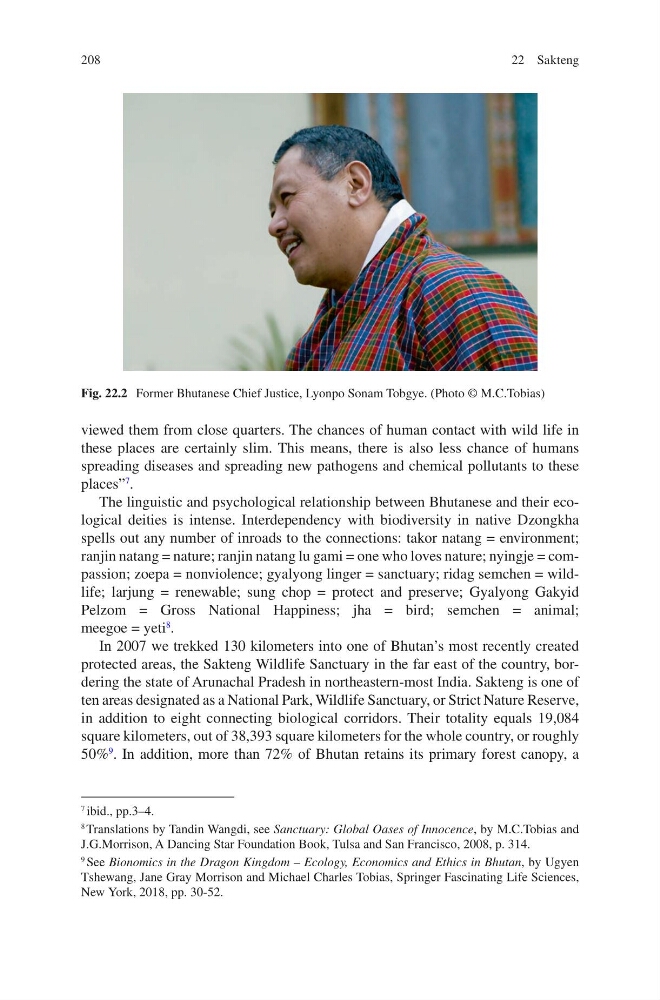
Fig. 22.2 Former Bhutanese Chief Justice, Lyonpo Sonam Tobgye. (Photo © M.C.Tobias)
22 Sakteng
viewed them from close quarters. The chances of human contact with wild life in
these places are certainly slim. This means, there is also less chance of humans
spreading diseases and spreading new pathogens and chemical pollutants to these
places”
7
.
The linguistic and psychological relationship between Bhutanese and their ecological deities is intense. Interdependency with biodiversity in native Dzongkha
spells out any number of inroads to the connections: takor natang = environment;
ranjin natang = nature; ranjin natang lu gami = one who loves nature; nyingje = compassion; zoepa = nonviolence; gyalyong linger = sanctuary; ridag semchen = wildlife; larjung = renewable; sung chop = protect and preserve; Gyalyong Gakyid
Pelzom = Gross National Happiness; jha = bird; semchen = animal;
meegoe = yeti
8
.
In 2007 we trekked 130 kilometers into one of Bhutan’s most recently created
protected areas, the Sakteng Wildlife Sanctuary in the far east of the country, bordering the state of Arunachal Pradesh in northeastern-most India. Sakteng is one of
ten areas designated as a National Park, Wildlife Sanctuary, or Strict Nature Reserve,
in addition to eight connecting biological corridors. Their totality equals 19,084
square kilometers, out of 38,393 square kilometers for the whole country, or roughly
50%
9
. In addition, more than 72% of Bhutan retains its primary forest canopy, a
7 ibid., pp.3–4.
8 Translations by Tandin Wangdi, see Sanctuary: Global Oases of Innocence, by M.C.Tobias and
J.G.Morrison, A Dancing Star Foundation Book, Tulsa and San Francisco, 2008, p. 314.
9 See Bionomics in the Dragon Kingdom – Ecology, Economics and Ethics in Bhutan, by Ugyen
Tshewang, Jane Gray Morrison and Michael Charles Tobias, Springer Fascinating Life Sciences,
New York, 2018, pp. 30-52.
Fig. 22.2 Former Bhutanese Chief Justice, Lyonpo Sonam Tobgye. (Photo © M.C.Tobias)
22 Sakteng