

206
of Happiness, which involve 1531 data points in 67 nations that yield 199 timeseries ranging from 10 to more than 40 years”
2
.
Bhutan’s Vajrayana Buddhist ethics can be divined, in part, within much of the
Tibetan Tantric traditions spelled out in the 108 volumes of the Kanjur and 3850
texts and treatises of the Tengyur. This vast canon underlies the overwhelming cultural and spiritual dispositions of the government and her people, Vajrayana being
closer to Mahayana than Theravada, or Hinayana Buddhism. As a state religion
encompassing nearly 75% of the population, Buddhism circumscribes both the
adoption of the country’s Constitution in 2008 (100 years in the making), and its
defining characteristics of Gross National Happiness (GNH), namely, those “key
areas of GNH [which] fall within the domains of psychological wellbeing, health,
time use, education, culture, good governance, ecological resilience, community
vitality and living standards”
3
.
2 “The Easterlin illusion: economic growth does go with greater happiness,” by Ruut Veenhoven;
Floris Vergunst, International Journal of Happiness and Development (IJHD), Vol. 1, No. 4, 2014,
InderScience Publishers, https://www.inderscience.com/info/inarticle.php?artid=66115, Accessed
April 17, 2019; See also, Easterlin, Richard (2017). “Paradox Lost?”. Review of Behavioral
Economics. 4 (4): 311–339. doi:10.1561/105.00000068; See also, DeNeve, J., D. Ward,
G. Keulenaer, B. van Landeghem, G. Kavetsos, and M. Norton (2018). “The Asymmetric
Experience of Positive and Negative Economic Growth: Global Evidence Using Subjective WellBeing Data,” Review of Economic Statistics: 100 (2), 362-375. For further discussion of the
Easterlin Paradox, and Bhutan specifically, see Chapter 53.
3 op.cit, Balasubramanian and Paul Cashin, p.10.
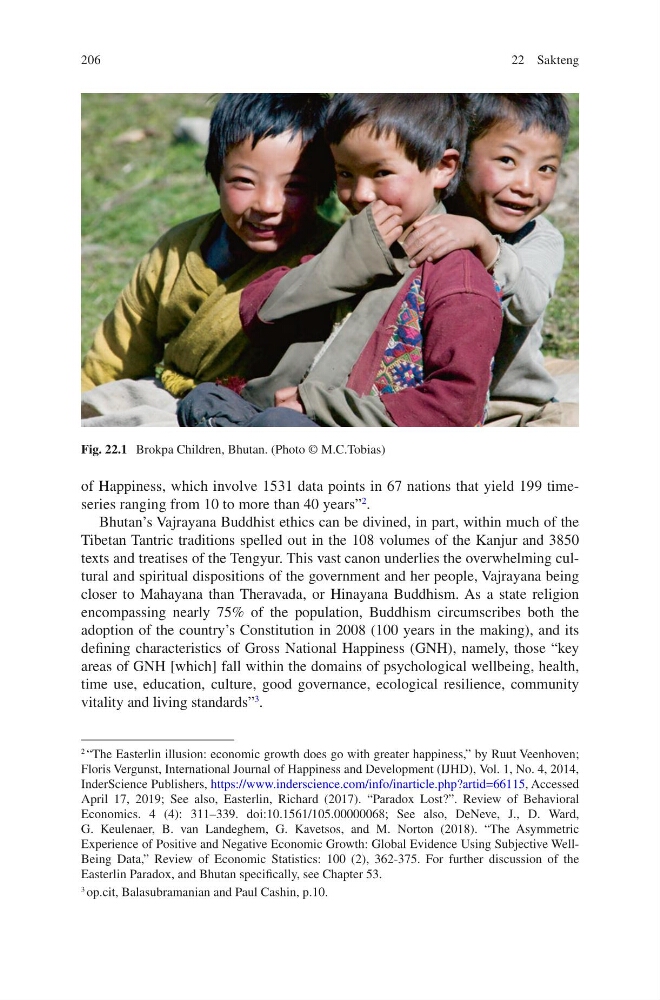
Fig. 22.1 Brokpa Children, Bhutan. (Photo © M.C.Tobias)
22 Sakteng
of Happiness, which involve 1531 data points in 67 nations that yield 199 timeseries ranging from 10 to more than 40 years”
2
.
Bhutan’s Vajrayana Buddhist ethics can be divined, in part, within much of the
Tibetan Tantric traditions spelled out in the 108 volumes of the Kanjur and 3850
texts and treatises of the Tengyur. This vast canon underlies the overwhelming cultural and spiritual dispositions of the government and her people, Vajrayana being
closer to Mahayana than Theravada, or Hinayana Buddhism. As a state religion
encompassing nearly 75% of the population, Buddhism circumscribes both the
adoption of the country’s Constitution in 2008 (100 years in the making), and its
defining characteristics of Gross National Happiness (GNH), namely, those “key
areas of GNH [which] fall within the domains of psychological wellbeing, health,
time use, education, culture, good governance, ecological resilience, community
vitality and living standards”
3
.
2 “The Easterlin illusion: economic growth does go with greater happiness,” by Ruut Veenhoven;
Floris Vergunst, International Journal of Happiness and Development (IJHD), Vol. 1, No. 4, 2014,
InderScience Publishers, https://www.inderscience.com/info/inarticle.php?artid=66115, Accessed
April 17, 2019; See also, Easterlin, Richard (2017). “Paradox Lost?”. Review of Behavioral
Economics. 4 (4): 311–339. doi:10.1561/105.00000068; See also, DeNeve, J., D. Ward,
G. Keulenaer, B. van Landeghem, G. Kavetsos, and M. Norton (2018). “The Asymmetric
Experience of Positive and Negative Economic Growth: Global Evidence Using Subjective WellBeing Data,” Review of Economic Statistics: 100 (2), 362-375. For further discussion of the
Easterlin Paradox, and Bhutan specifically, see Chapter 53.
3 op.cit, Balasubramanian and Paul Cashin, p.10.
Fig. 22.1 Brokpa Children, Bhutan. (Photo © M.C.Tobias)
22 Sakteng