

158
longer willing to be a burden on society, he or she will take no food from the householders, deliberately fasting unto death and presumed rebirth. This is how it has
been for millions of years, say the Jains, echoing a refrain that melds the human
condition with the ascertainable statutes defining the lives and destinies of every
organism, every soul.
Sometime between the first and fifth centuries of the Common Era, the head of a
Jain monastic order, Umasvati (or Umasvami) composed a compilation of sutras
that remains something of a Bible for both Digambara and Svetambara sects of
Jainism—the Tattvarthadhigama Sutra
2
. Actually, That Which Is concerns the multitude of lists, numbered and rigorous in their attempt to encompass, calculate, and
order every facet of life and death. The goal, ultimately, of this prodigious effort was
and remains liberation, or moksa (also known as Nirvana). The concept was much
2 See That Which Is – Tattvartha Sutra – A Classic Jain Manual For Understanding The True
Nature of Reality, Translated by Nathmal Tatia, With the combined commentaries of Umasvati/
Umasvami, Pujyapada and Siddhasenagani, With a foreword by L.M.Singhvi and an introduction
to the Jaina fath by Padmanabsh S. Jaini, The Institute of Jainology, HarperCollins Publishers, San
Francisco, CA, 1994. In addition, see the three commentaries on the Tattvartha Sutra “used as the
Basis of the Commentary” in the translation by Nathmal Tatia, namely: Svopajna Bhasya, by
Umasvati and recognized as authentic by the Svetambara sect, ed. Pandit Khubchandji
Siddhantashstri, Shrimad Rajchandra Jain Shastramala, Bombay, 1932; Svopajna Bhasya Tika, by
Siddhasenagani, Svetambara sect, 2 vols., Seth Devchand Lalbhai Jain Pustakoddhara Fund, series
nos. 67 & 76; and Sarvarthasiddhi, by Pujyapada Devanandi, of the Digambara sect, 4
th
edition,Bharatiya Jnanapitha, Delhi, 1989.
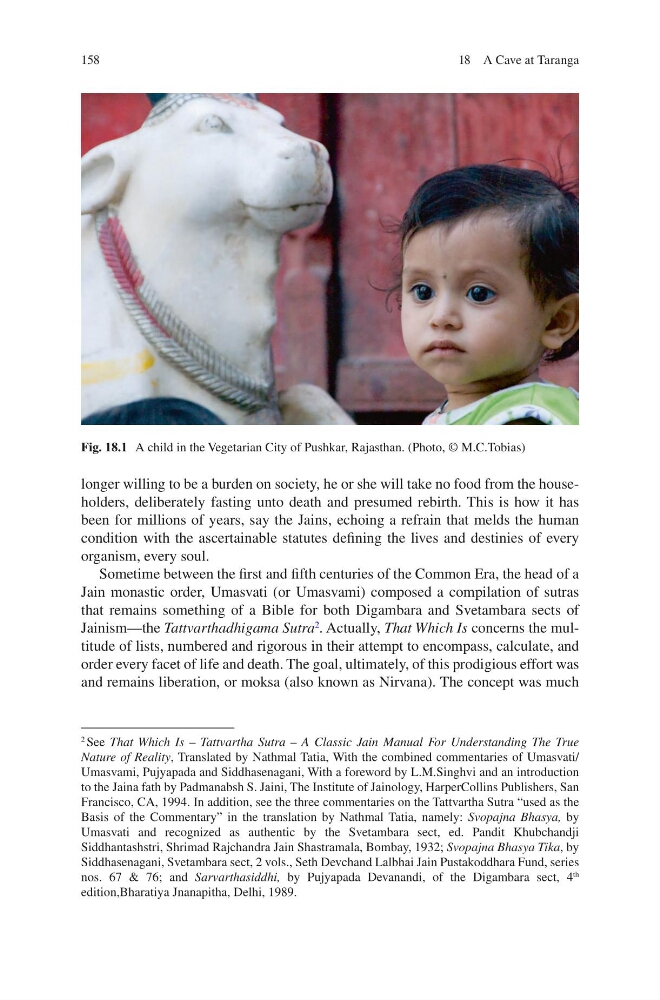
Fig. 18.1 A child in the Vegetarian City of Pushkar, Rajasthan. (Photo, © M.C.Tobias)
18 A Cave at Taranga
longer willing to be a burden on society, he or she will take no food from the householders, deliberately fasting unto death and presumed rebirth. This is how it has
been for millions of years, say the Jains, echoing a refrain that melds the human
condition with the ascertainable statutes defining the lives and destinies of every
organism, every soul.
Sometime between the first and fifth centuries of the Common Era, the head of a
Jain monastic order, Umasvati (or Umasvami) composed a compilation of sutras
that remains something of a Bible for both Digambara and Svetambara sects of
Jainism—the Tattvarthadhigama Sutra
2
. Actually, That Which Is concerns the multitude of lists, numbered and rigorous in their attempt to encompass, calculate, and
order every facet of life and death. The goal, ultimately, of this prodigious effort was
and remains liberation, or moksa (also known as Nirvana). The concept was much
2 See That Which Is – Tattvartha Sutra – A Classic Jain Manual For Understanding The True
Nature of Reality, Translated by Nathmal Tatia, With the combined commentaries of Umasvati/
Umasvami, Pujyapada and Siddhasenagani, With a foreword by L.M.Singhvi and an introduction
to the Jaina fath by Padmanabsh S. Jaini, The Institute of Jainology, HarperCollins Publishers, San
Francisco, CA, 1994. In addition, see the three commentaries on the Tattvartha Sutra “used as the
Basis of the Commentary” in the translation by Nathmal Tatia, namely: Svopajna Bhasya, by
Umasvati and recognized as authentic by the Svetambara sect, ed. Pandit Khubchandji
Siddhantashstri, Shrimad Rajchandra Jain Shastramala, Bombay, 1932; Svopajna Bhasya Tika, by
Siddhasenagani, Svetambara sect, 2 vols., Seth Devchand Lalbhai Jain Pustakoddhara Fund, series
nos. 67 & 76; and Sarvarthasiddhi, by Pujyapada Devanandi, of the Digambara sect, 4
th
edition,Bharatiya Jnanapitha, Delhi, 1989.
Fig. 18.1 A child in the Vegetarian City of Pushkar, Rajasthan. (Photo, © M.C.Tobias)
18 A Cave at Taranga