

90
revenge upon even the most vindicated of aficionados. Seven years after he was to
put up money for Curtis to embark on his ambitious documentation of Indian life,
J. P. Morgan—the richest man of his times—would die in a hotel room in Rome at
the age of 75. All his collections, homes, and myriad assets, the equivalent of some
$25 billion in today’s dollars, as divided up among the 42 corporations he either
owned outright, or in part, reverted to others. What was true about him was instantly
dispersed. In a similar way, the 1775 poems of Emily Dickinson left both a truth
about herself, and “the most teasing anonymity,” as Joyce Carol Oates once wrote,
in describing Dickinson as “the most paradoxical of poets.” And continuing, “By
way of voluminous biographical material, not to mention the extraordinary intimacy
of her poetry, it would seem that we know everything about her; yet the common
experience of reading her work… is that we come away seeming to know nothing.
11
”
Indigenous peoples, great artists, corporate stewards, all are swept away, as
Donne nobly elucidated. In each instance of historical paradox, a presupposition
proves to be both true and false. What we assumed becomes unassumable; what
lived, dies; what dies, is reborn. Human consciousness, at best, makes connections,
11 See “Soul At the White Heat: The Roman of Emily Dickinson’s Poetry,” by Joyce Carol Oates,
Critical Inquiry 15, Summer 1987, The University of Chicago, p. 806, https://www.jstor.org/
stable/1343529?seq=1#page_scan_tab_contents, Accessed February 2, 2019.
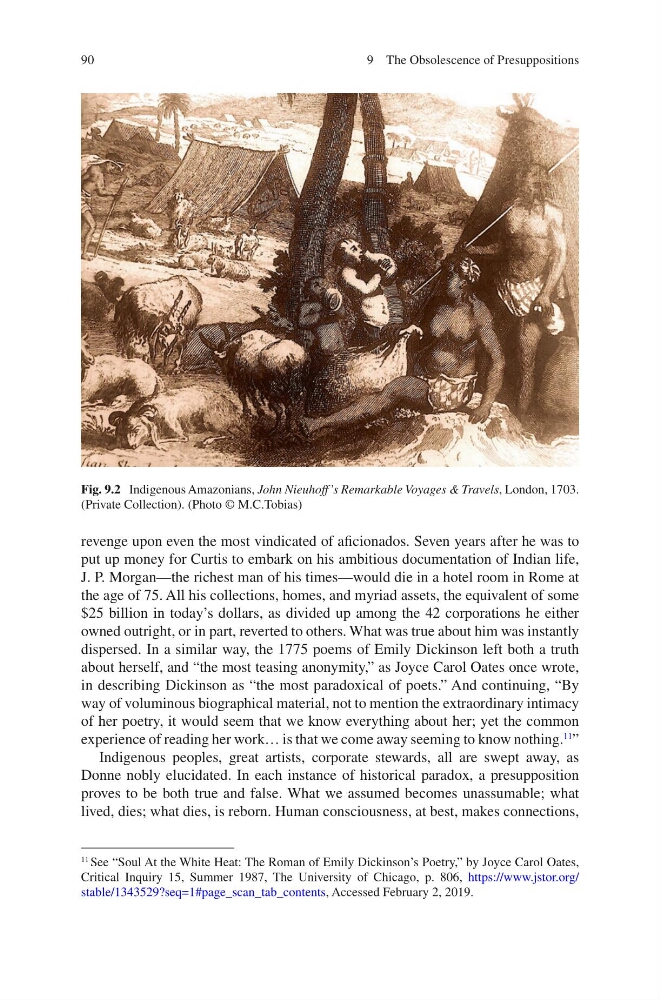
Fig. 9.2 Indigenous Amazonians, John Nieuhoff’s Remarkable Voyages & Travels, London, 1703.
(Private Collection). (Photo © M.C.Tobias)
9 The Obsolescence of Presuppositions
revenge upon even the most vindicated of aficionados. Seven years after he was to
put up money for Curtis to embark on his ambitious documentation of Indian life,
J. P. Morgan—the richest man of his times—would die in a hotel room in Rome at
the age of 75. All his collections, homes, and myriad assets, the equivalent of some
$25 billion in today’s dollars, as divided up among the 42 corporations he either
owned outright, or in part, reverted to others. What was true about him was instantly
dispersed. In a similar way, the 1775 poems of Emily Dickinson left both a truth
about herself, and “the most teasing anonymity,” as Joyce Carol Oates once wrote,
in describing Dickinson as “the most paradoxical of poets.” And continuing, “By
way of voluminous biographical material, not to mention the extraordinary intimacy
of her poetry, it would seem that we know everything about her; yet the common
experience of reading her work… is that we come away seeming to know nothing.
11
”
Indigenous peoples, great artists, corporate stewards, all are swept away, as
Donne nobly elucidated. In each instance of historical paradox, a presupposition
proves to be both true and false. What we assumed becomes unassumable; what
lived, dies; what dies, is reborn. Human consciousness, at best, makes connections,
11 See “Soul At the White Heat: The Roman of Emily Dickinson’s Poetry,” by Joyce Carol Oates,
Critical Inquiry 15, Summer 1987, The University of Chicago, p. 806, https://www.jstor.org/
stable/1343529?seq=1#page_scan_tab_contents, Accessed February 2, 2019.
Fig. 9.2 Indigenous Amazonians, John Nieuhoff’s Remarkable Voyages & Travels, London, 1703.
(Private Collection). (Photo © M.C.Tobias)
9 The Obsolescence of Presuppositions