

the PDB. Then, we can use the PRISM approach, also including if
possible a benchmarking against known complexes of the protein of
interest and other proteins to define a suitable docking energy
threshold, as we did in the p53 case [14]. PRISM is a templatebased approach to predict protein-protein interactions. PRISM
uses a rigid-body structural comparison of target proteins to
known templates of protein-protein interfaces and a refinement
using flexible docking. Moreover, it is useful also to calculate the
Interface Similarity Score to assess models of protein complexes
[126, 127] as an additional quantitative parameter.
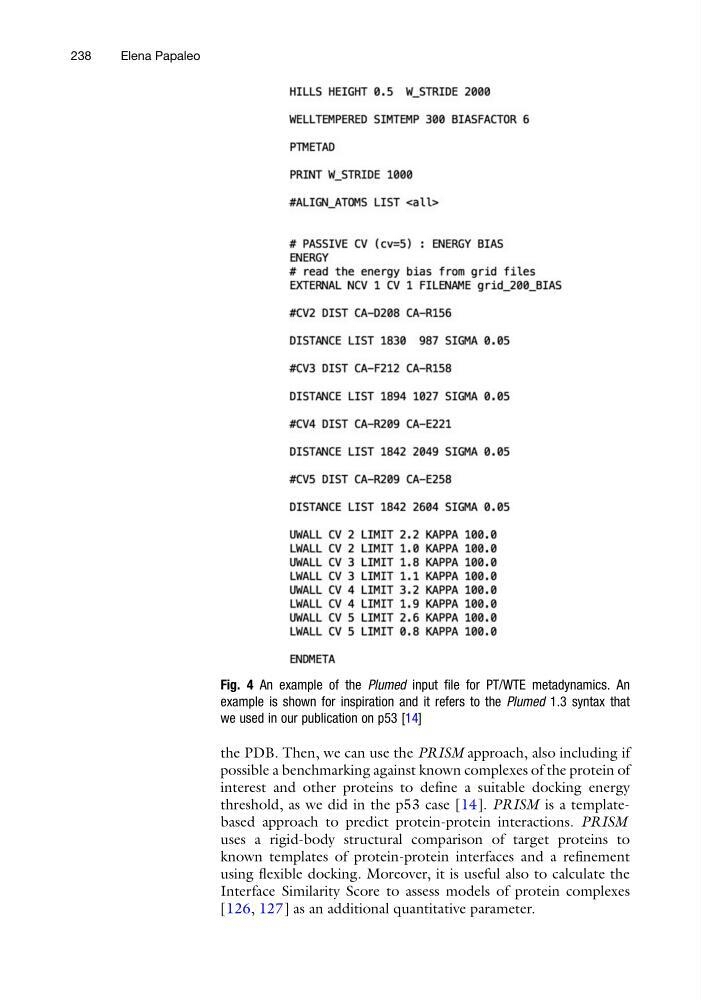
Fig. 4 An example of the Plumed input file for PT/WTE metadynamics. An
example is shown for inspiration and it refers to the Plumed 1.3 syntax that
we used in our publication on p53 [14]
238
Elena Papaleo
possible a benchmarking against known complexes of the protein of
interest and other proteins to define a suitable docking energy
threshold, as we did in the p53 case [14]. PRISM is a templatebased approach to predict protein-protein interactions. PRISM
uses a rigid-body structural comparison of target proteins to
known templates of protein-protein interfaces and a refinement
using flexible docking. Moreover, it is useful also to calculate the
Interface Similarity Score to assess models of protein complexes
[126, 127] as an additional quantitative parameter.
Fig. 4 An example of the Plumed input file for PT/WTE metadynamics. An
example is shown for inspiration and it refers to the Plumed 1.3 syntax that
we used in our publication on p53 [14]
238
Elena Papaleo