

269
biodiversity and dramatic changes in the ecosystem, as cheatgrass eliminated native
competing shrubs (and thus species dependent on them) and increased fire frequency in the region (Pimentel et al. 2005). Ecosystem services losses and subsequent economic impacts of IAS are also high, from agriculture, forestry, and
fisheries production losses to decreased recreation and tourism revenues (Pimentel
et al. 2005). As of 2005, direct costs of invasive species and their management in the
United States alone reach around $120 billion per year, excluding the degradation
of invaluable ecosystem services (Pimentel et al. 2005). Globally, costs of invasions
and IAS management exceed those of natural disasters by an order of magnitude
(Ricciardi et al. 2011).
The increasing economic and ecosystem impacts of IAS require international
cooperation given the transboundary nature of IAS transport, spread, and impacts
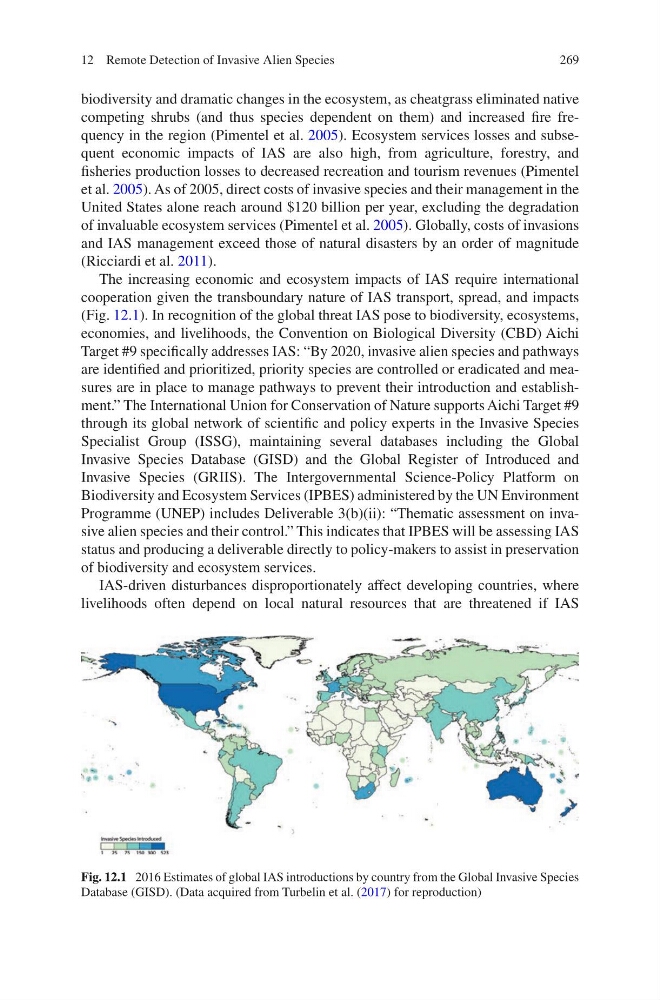
(Fig. 12.1). In recognition of the global threat IAS pose to biodiversity, ecosystems,
economies, and livelihoods, the Convention on Biological Diversity (CBD) Aichi
Target #9 specifically addresses IAS: “By 2020, invasive alien species and pathways
are identified and prioritized, priority species are controlled or eradicated and measures are in place to manage pathways to prevent their introduction and establishment.” The International Union for Conservation of Nature supports Aichi Target #9
through its global network of scientific and policy experts in the Invasive Species
Specialist Group (ISSG), maintaining several databases including the Global
Invasive Species Database (GISD) and the Global Register of Introduced and
Invasive Species (GRIIS). The Intergovernmental Science-Policy Platform on
Biodiversity and Ecosystem Services (IPBES) administered by the UN Environment
Programme (UNEP) includes Deliverable 3(b)(ii): “Thematic assessment on invasive alien species and their control.” This indicates that IPBES will be assessing IAS
status and producing a deliverable directly to policy-makers to assist in preservation
of biodiversity and ecosystem services.
IAS-driven disturbances disproportionately affect developing countries, where
livelihoods often depend on local natural resources that are threatened if IAS
Fig. 12.1 2016 Estimates of global IAS introductions by country from the Global Invasive Species
Database (GISD). (Data acquired from Turbelin et al. (2017) for reproduction)
12 Remote Detection of Invasive Alien Species
biodiversity and dramatic changes in the ecosystem, as cheatgrass eliminated native
competing shrubs (and thus species dependent on them) and increased fire frequency in the region (Pimentel et al. 2005). Ecosystem services losses and subsequent economic impacts of IAS are also high, from agriculture, forestry, and
fisheries production losses to decreased recreation and tourism revenues (Pimentel
et al. 2005). As of 2005, direct costs of invasive species and their management in the
United States alone reach around $120 billion per year, excluding the degradation
of invaluable ecosystem services (Pimentel et al. 2005). Globally, costs of invasions
and IAS management exceed those of natural disasters by an order of magnitude
(Ricciardi et al. 2011).
The increasing economic and ecosystem impacts of IAS require international
cooperation given the transboundary nature of IAS transport, spread, and impacts
(Fig. 12.1). In recognition of the global threat IAS pose to biodiversity, ecosystems,
economies, and livelihoods, the Convention on Biological Diversity (CBD) Aichi
Target #9 specifically addresses IAS: “By 2020, invasive alien species and pathways
are identified and prioritized, priority species are controlled or eradicated and measures are in place to manage pathways to prevent their introduction and establishment.” The International Union for Conservation of Nature supports Aichi Target #9
through its global network of scientific and policy experts in the Invasive Species
Specialist Group (ISSG), maintaining several databases including the Global
Invasive Species Database (GISD) and the Global Register of Introduced and
Invasive Species (GRIIS). The Intergovernmental Science-Policy Platform on
Biodiversity and Ecosystem Services (IPBES) administered by the UN Environment
Programme (UNEP) includes Deliverable 3(b)(ii): “Thematic assessment on invasive alien species and their control.” This indicates that IPBES will be assessing IAS
status and producing a deliverable directly to policy-makers to assist in preservation
of biodiversity and ecosystem services.
IAS-driven disturbances disproportionately affect developing countries, where
livelihoods often depend on local natural resources that are threatened if IAS
Fig. 12.1 2016 Estimates of global IAS introductions by country from the Global Invasive Species
Database (GISD). (Data acquired from Turbelin et al. (2017) for reproduction)
12 Remote Detection of Invasive Alien Species