

7
Morsdorf et al. (Chap. 4) then present the Laegeren forest site in Switzerland as
a virtual laboratory. They demonstrate how spectroscopy can be operationalized for
RS of functional diversity to explain plant biodiversity patterns and ecosystem functions. The Laegeren site is one of the best-studied sites in the world for this purpose
and is used as a case study to explain ground truthing and what can be learned from
landscape-level detection of functional diversity.
Martin (Chap. 5) summarize the experiences with “spectronomics”—a framework aimed at integrating chemical, phylogenetic, and spectral RS data—using airborne imagery to detect forest composition and function in wet tropical forests. In
these vast, largely inaccessible landscapes that harbor enormous taxonomic variation, approaches that rely solely on field-based observations are infeasible, illustrating an essential role for RS. As pioneers in using spectroscopy to detect plant
chemistry, function, and biodiversity in tropical forests around the world, these
researchers highlight some of the major lessons they have learned.
Pontius et al. (Chap. 6) consider how biodiversity can be protected given current
threats to forest and vegetation conditions and present approaches for detailed and
accurate detection of forest disturbance and decline. They review current techniques
used to assess and monitor forest ecosystem condition and disturbance and outline
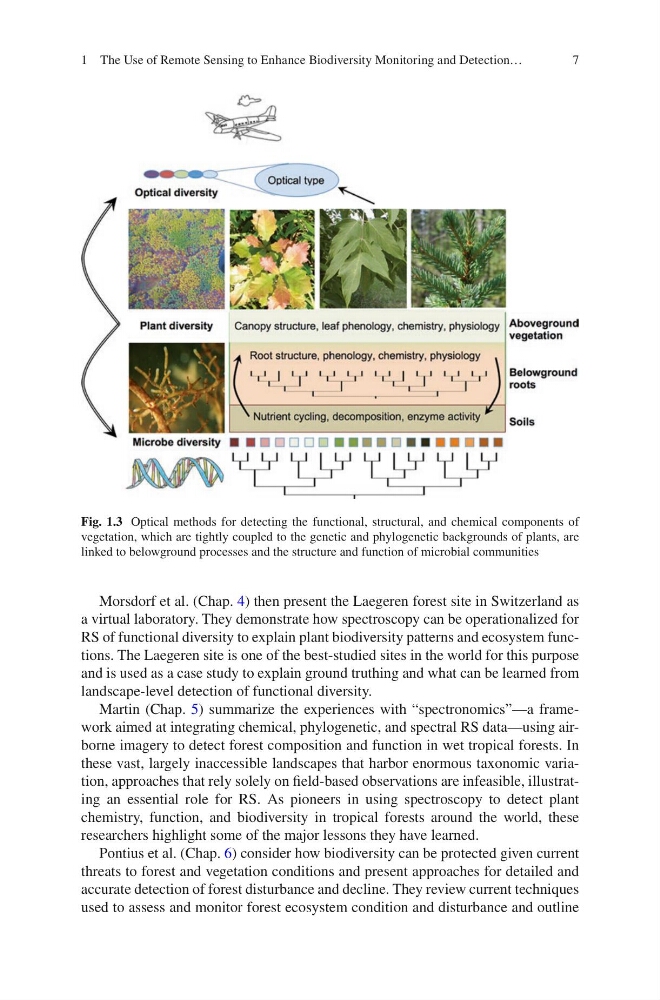
Fig. 1.3 Optical methods for detecting the functional, structural, and chemical components of
vegetation, which are tightly coupled to the genetic and phylogenetic backgrounds of plants, are
linked to belowground processes and the structure and function of microbial communities
1 The Use of Remote Sensing to Enhance Biodiversity Monitoring and Detection…
Morsdorf et al. (Chap. 4) then present the Laegeren forest site in Switzerland as
a virtual laboratory. They demonstrate how spectroscopy can be operationalized for
RS of functional diversity to explain plant biodiversity patterns and ecosystem functions. The Laegeren site is one of the best-studied sites in the world for this purpose
and is used as a case study to explain ground truthing and what can be learned from
landscape-level detection of functional diversity.
Martin (Chap. 5) summarize the experiences with “spectronomics”—a framework aimed at integrating chemical, phylogenetic, and spectral RS data—using airborne imagery to detect forest composition and function in wet tropical forests. In
these vast, largely inaccessible landscapes that harbor enormous taxonomic variation, approaches that rely solely on field-based observations are infeasible, illustrating an essential role for RS. As pioneers in using spectroscopy to detect plant
chemistry, function, and biodiversity in tropical forests around the world, these
researchers highlight some of the major lessons they have learned.
Pontius et al. (Chap. 6) consider how biodiversity can be protected given current
threats to forest and vegetation conditions and present approaches for detailed and
accurate detection of forest disturbance and decline. They review current techniques
used to assess and monitor forest ecosystem condition and disturbance and outline
Fig. 1.3 Optical methods for detecting the functional, structural, and chemical components of
vegetation, which are tightly coupled to the genetic and phylogenetic backgrounds of plants, are
linked to belowground processes and the structure and function of microbial communities
1 The Use of Remote Sensing to Enhance Biodiversity Monitoring and Detection…