

59
an associated donor age-dependent decline in secreted MMP-3 and MMP-2 proteins, which might contribute to the altered ECM in HGPS [50]. Differences in
MMP-3 activity have also been reported in other vascular pathologies in the normal
aging population [50]. Overall, there is an excess of ECM deposition, with increased
Healthy
Vessel
Aged
Vessel
HGPS
Vessel
Media
Intima
Adventitia
Media Vascular
Calcification
Plaque
(lipids, calcium and
cellular debris)
vSMC Loss
Intima Vascular
Calcification
Adventitia
Fibrosis
Intima
Fibrosis
Intima Fibrosis
Atherosclerosis
Increased
collagen types I
and III
Intima Fibrosis
Fibrosis
Arterial stiffening
ECM remodeling
Vascular Calcification
Altered mechanotransduction
Low shear stress responses
Vascular Dysfunction
Hypertension
Arteriosclerosis
Inflammation
VSMCs loss
Progerin
overexpression
Increased collagen
types I and IV
Intima and
Adventitia
Fibrosis
Aged Vessel
HGPS Vessel
a
b
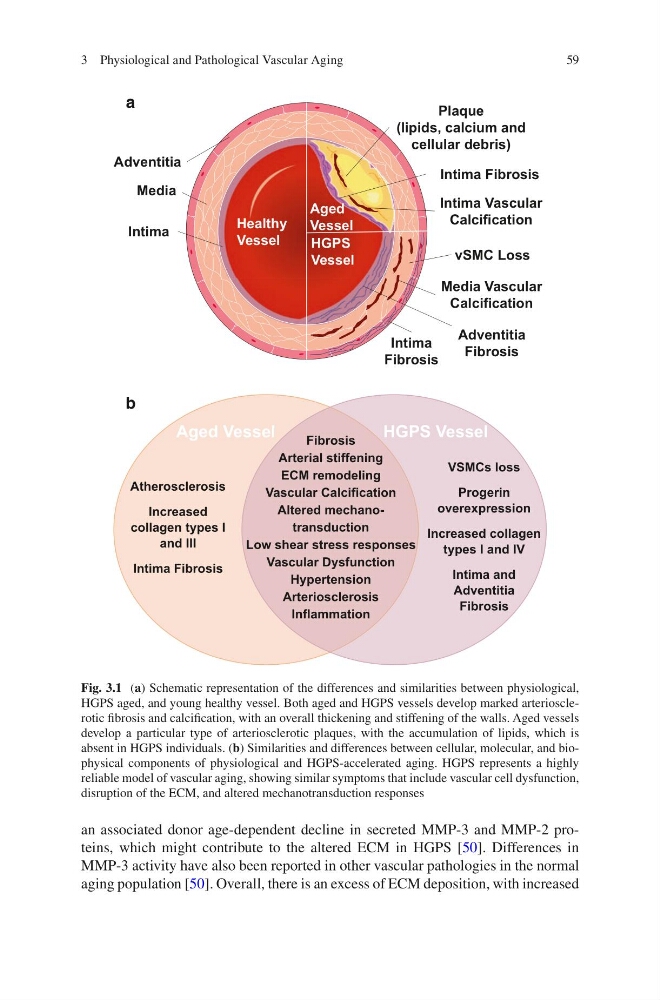
Fig. 3.1 (a) Schematic representation of the differences and similarities between physiological,
HGPS aged, and young healthy vessel. Both aged and HGPS vessels develop marked arteriosclerotic fibrosis and calcification, with an overall thickening and stiffening of the walls. Aged vessels
develop a particular type of arteriosclerotic plaques, with the accumulation of lipids, which is
absent in HGPS individuals. (b) Similarities and differences between cellular, molecular, and biophysical components of physiological and HGPS-accelerated aging. HGPS represents a highly
reliable model of vascular aging, showing similar symptoms that include vascular cell dysfunction,
disruption of the ECM, and altered mechanotransduction responses
3 Physiological and Pathological Vascular Aging
an associated donor age-dependent decline in secreted MMP-3 and MMP-2 proteins, which might contribute to the altered ECM in HGPS [50]. Differences in
MMP-3 activity have also been reported in other vascular pathologies in the normal
aging population [50]. Overall, there is an excess of ECM deposition, with increased
Healthy
Vessel
Aged
Vessel
HGPS
Vessel
Media
Intima
Adventitia
Media Vascular
Calcification
Plaque
(lipids, calcium and
cellular debris)
vSMC Loss
Intima Vascular
Calcification
Adventitia
Fibrosis
Intima
Fibrosis
Intima Fibrosis
Atherosclerosis
Increased
collagen types I
and III
Intima Fibrosis
Fibrosis
Arterial stiffening
ECM remodeling
Vascular Calcification
Altered mechanotransduction
Low shear stress responses
Vascular Dysfunction
Hypertension
Arteriosclerosis
Inflammation
VSMCs loss
Progerin
overexpression
Increased collagen
types I and IV
Intima and
Adventitia
Fibrosis
Aged Vessel
HGPS Vessel
a
b
Fig. 3.1 (a) Schematic representation of the differences and similarities between physiological,
HGPS aged, and young healthy vessel. Both aged and HGPS vessels develop marked arteriosclerotic fibrosis and calcification, with an overall thickening and stiffening of the walls. Aged vessels
develop a particular type of arteriosclerotic plaques, with the accumulation of lipids, which is
absent in HGPS individuals. (b) Similarities and differences between cellular, molecular, and biophysical components of physiological and HGPS-accelerated aging. HGPS represents a highly
reliable model of vascular aging, showing similar symptoms that include vascular cell dysfunction,
disruption of the ECM, and altered mechanotransduction responses
3 Physiological and Pathological Vascular Aging