

non-glucose targets, such as interferon gamma of tuberculosis, toxic metal ions, and
food toxins [23]. The functional DNA molecule could either be an aptamer,
aptazymes, or DNAzymes. In this study, the interaction between invertaseconjugated functional DNA and magnetic beads is disturbed in the presence of the
target, resulting in the release of DNA-invertase conjugate that catalyzes the
conversion of sucrose to glucose which can be read by the PGM. The amount of
detected glucose is directly proportional to the amount of target present. The
aforementioned work has a lot of potential in aptamer-based diagnostics, and further
research and implementation of TTP strategies could be valuable to change the
landscape of the medical diagnostics and environmental monitoring at home and in
the field.
3.3 Diagnostic Detection of Bacterial Infection
Kapasi and colleagues [24] have employed TPP-based treatment in their work, in
order to improve the patient outcome and side effects and make the treatment more
economical, particularly in resource-limited settings. This work on improving the
patient outcome was driven by the previous study that involved review of the host
biomarkers to differentiate between bacterial and non-bacterial infections in acute
febrile patients. In order to reduce bias, the follow-up work was conducted in
collaboration with experts working in different geographies in the field of infectious
disease, laboratory medicine, microbiology, global health, health economists, and
diagnostic test development [24].
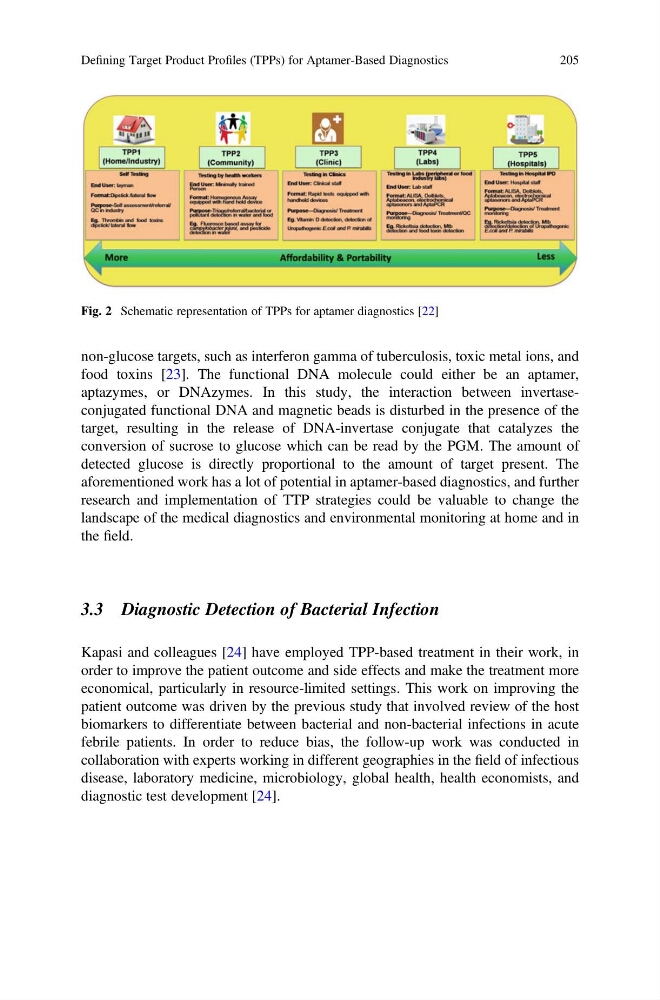
Fig. 2 Schematic representation of TPPs for aptamer diagnostics [22]
Defining Target Product Profiles (TPPs) for Aptamer-Based Diagnostics
205
food toxins [23]. The functional DNA molecule could either be an aptamer,
aptazymes, or DNAzymes. In this study, the interaction between invertaseconjugated functional DNA and magnetic beads is disturbed in the presence of the
target, resulting in the release of DNA-invertase conjugate that catalyzes the
conversion of sucrose to glucose which can be read by the PGM. The amount of
detected glucose is directly proportional to the amount of target present. The
aforementioned work has a lot of potential in aptamer-based diagnostics, and further
research and implementation of TTP strategies could be valuable to change the
landscape of the medical diagnostics and environmental monitoring at home and in
the field.
3.3 Diagnostic Detection of Bacterial Infection
Kapasi and colleagues [24] have employed TPP-based treatment in their work, in
order to improve the patient outcome and side effects and make the treatment more
economical, particularly in resource-limited settings. This work on improving the
patient outcome was driven by the previous study that involved review of the host
biomarkers to differentiate between bacterial and non-bacterial infections in acute
febrile patients. In order to reduce bias, the follow-up work was conducted in
collaboration with experts working in different geographies in the field of infectious
disease, laboratory medicine, microbiology, global health, health economists, and
diagnostic test development [24].
Fig. 2 Schematic representation of TPPs for aptamer diagnostics [22]
Defining Target Product Profiles (TPPs) for Aptamer-Based Diagnostics
205