

3.4.3 Phytoremediation
The usage of vegetation to eliminate, accumulate, degrade or contain harmful
pollutants from soil or water is called phytoremediation. The origin of
‘phytoremediation’ is from Greek word, ‘phyton’ which means ‘plant’ and Latin
word ‘remedium’, which means ‘to remedy’ or ‘to correct’. Some aquatic vegetations, viz. Salvinia sp., Lemna sp., Azolla sp. and Eichhnoria sp., sedges, for
instance, Typha latifolia and a few herbaceous and woody flowering plants have
the potential to absorb, abide and accumulate heavy metals and other toxic substances from soil and water along with concentrating them into roots, stems and
leaves (Adams et al. 2015; Chaney et al. 1997; Dickinson et al. 2009; Ensley 2000;
Mendez and Maier 2008; Prasad 2004; Prasad and Freitas 2003). Thlaspi
caerulescens, the alpine pennycress, if grown on zinc-contaminated soil yields up
to 30–40% zinc. Thus this plant is bio-ore of Zn. Sebertia acuminate (Sapotaceae),
which is native to Caledonia, accumulate 20–25% Ni of its dry weight (Katyayan
2019). Phytoremediation can be divided into six categories:
Enhanced
rhizosphere
degradation,
phytodegration,
phytoextraction
(phytoaccumulation), rhizofiltration, phytovolatilization and phytostabilisation.
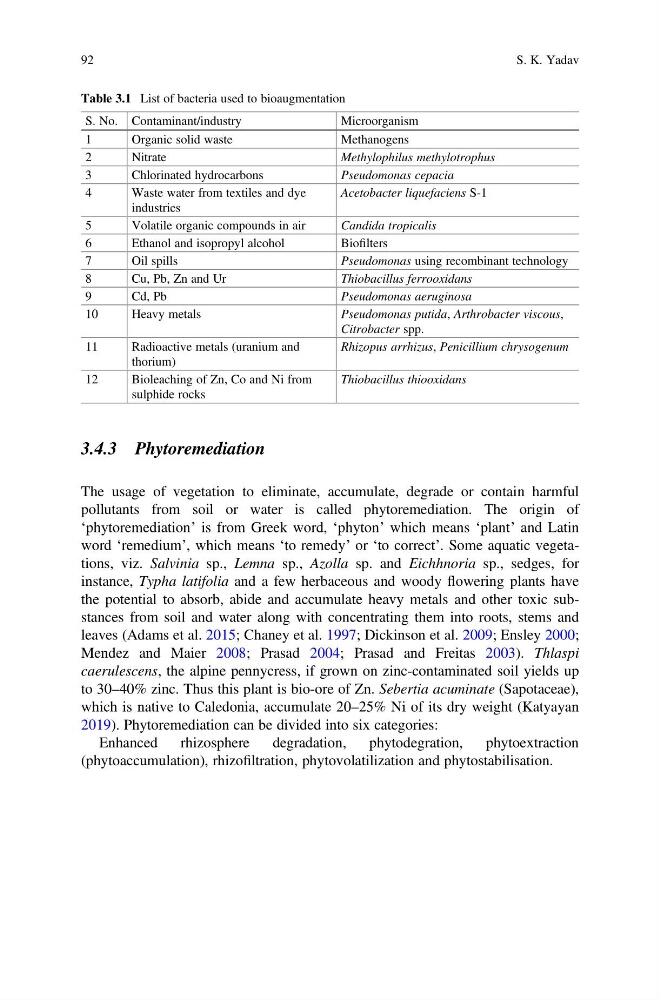
Table 3.1 List of bacteria used to bioaugmentation
S. No. Contaminant/industry
Microorganism
1
Organic solid waste
Methanogens
2
Nitrate
Methylophilus methylotrophus
3
Chlorinated hydrocarbons
Pseudomonas cepacia
4
Waste water from textiles and dye
industries
Acetobacter liquefaciens S-1
5
Volatile organic compounds in air
Candida tropicalis
6
Ethanol and isopropyl alcohol
Biofilters
7
Oil spills
Pseudomonas using recombinant technology
8
Cu, Pb, Zn and Ur
Thiobacillus ferrooxidans
9
Cd, Pb
Pseudomonas aeruginosa
10
Heavy metals
Pseudomonas putida, Arthrobacter viscous,
Citrobacter spp.
11
Radioactive metals (uranium and
thorium)
Rhizopus arrhizus, Penicillium chrysogenum
12
Bioleaching of Zn, Co and Ni from
sulphide rocks
Thiobacillus thiooxidans
92
S. K. Yadav
The usage of vegetation to eliminate, accumulate, degrade or contain harmful
pollutants from soil or water is called phytoremediation. The origin of
‘phytoremediation’ is from Greek word, ‘phyton’ which means ‘plant’ and Latin
word ‘remedium’, which means ‘to remedy’ or ‘to correct’. Some aquatic vegetations, viz. Salvinia sp., Lemna sp., Azolla sp. and Eichhnoria sp., sedges, for
instance, Typha latifolia and a few herbaceous and woody flowering plants have
the potential to absorb, abide and accumulate heavy metals and other toxic substances from soil and water along with concentrating them into roots, stems and
leaves (Adams et al. 2015; Chaney et al. 1997; Dickinson et al. 2009; Ensley 2000;
Mendez and Maier 2008; Prasad 2004; Prasad and Freitas 2003). Thlaspi
caerulescens, the alpine pennycress, if grown on zinc-contaminated soil yields up
to 30–40% zinc. Thus this plant is bio-ore of Zn. Sebertia acuminate (Sapotaceae),
which is native to Caledonia, accumulate 20–25% Ni of its dry weight (Katyayan
2019). Phytoremediation can be divided into six categories:
Enhanced
rhizosphere
degradation,
phytodegration,
phytoextraction
(phytoaccumulation), rhizofiltration, phytovolatilization and phytostabilisation.
Table 3.1 List of bacteria used to bioaugmentation
S. No. Contaminant/industry
Microorganism
1
Organic solid waste
Methanogens
2
Nitrate
Methylophilus methylotrophus
3
Chlorinated hydrocarbons
Pseudomonas cepacia
4
Waste water from textiles and dye
industries
Acetobacter liquefaciens S-1
5
Volatile organic compounds in air
Candida tropicalis
6
Ethanol and isopropyl alcohol
Biofilters
7
Oil spills
Pseudomonas using recombinant technology
8
Cu, Pb, Zn and Ur
Thiobacillus ferrooxidans
9
Cd, Pb
Pseudomonas aeruginosa
10
Heavy metals
Pseudomonas putida, Arthrobacter viscous,
Citrobacter spp.
11
Radioactive metals (uranium and
thorium)
Rhizopus arrhizus, Penicillium chrysogenum
12
Bioleaching of Zn, Co and Ni from
sulphide rocks
Thiobacillus thiooxidans
92
S. K. Yadav