

8 Inferring Human Demographic History from Genetic Data
189
(Pritchard et al. 2000; Falush et al. 2003). When more markers are available, such as
from standard SNP genotyping chips or whole-genome sequence data, individuals
from closely related populations (e.g., French vs. Spanish, Chinese vs. Japanese)
can be distinguished from one another (e.g., Patterson et al. 2006; Jakobsson et al.
2008; Novembre et al. 2008; Tishkoff et al. 2009; Lu and Xu 2013; GenomeAsia
100K Consortium 2019).
The methods and studies described above made no a priori assumptions about
the makeup of different human populations. For recently admixed individuals (e.g.,
African–Americans), more powerful methods can identify the precise portions of
their genome that were inherited from different ancestral populations, provided
that individuals from each of the ancestral populations have been genotyped (e.g.,
Sankararaman et al. 2008; Price et al. 2009; Bryc et al. 2010; Wall et al. 2011; Baran
et al. 2012). These studies have confirmed the heterogenous nature of Latinos and
African–Americans—for example, the estimated proportion of European ancestry in
a sample of 181 Mexican controls varied from ~0% to ~100% (Fig. 8.1, Choudhry
et al. 2006). In addition, detailed admixture studies have uncovered surprising
examples of admixture over the past several thousand years, including low (<5%)
levels of West African ancestry in Southern Europeans (Moorjani et al. 2011),
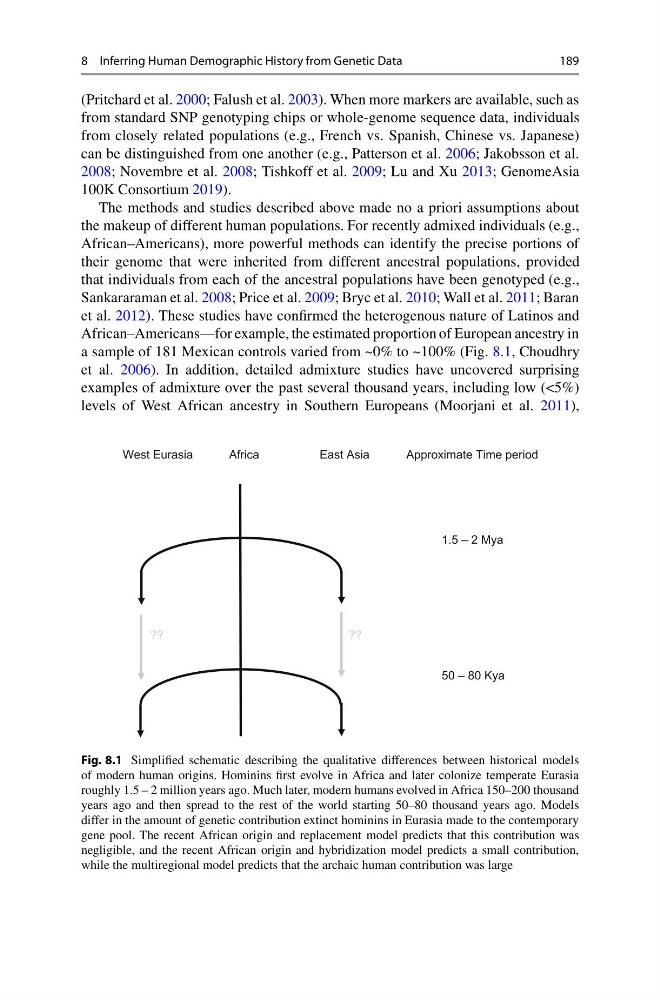
Fig. 8.1 Simplified schematic describing the qualitative differences between historical models
of modern human origins. Hominins first evolve in Africa and later colonize temperate Eurasia
roughly 1.5 – 2 million years ago. Much later, modern humans evolved in Africa 150–200 thousand
years ago and then spread to the rest of the world starting 50–80 thousand years ago. Models
differ in the amount of genetic contribution extinct hominins in Eurasia made to the contemporary
gene pool. The recent African origin and replacement model predicts that this contribution was
negligible, and the recent African origin and hybridization model predicts a small contribution,
while the multiregional model predicts that the archaic human contribution was large
189
(Pritchard et al. 2000; Falush et al. 2003). When more markers are available, such as
from standard SNP genotyping chips or whole-genome sequence data, individuals
from closely related populations (e.g., French vs. Spanish, Chinese vs. Japanese)
can be distinguished from one another (e.g., Patterson et al. 2006; Jakobsson et al.
2008; Novembre et al. 2008; Tishkoff et al. 2009; Lu and Xu 2013; GenomeAsia
100K Consortium 2019).
The methods and studies described above made no a priori assumptions about
the makeup of different human populations. For recently admixed individuals (e.g.,
African–Americans), more powerful methods can identify the precise portions of
their genome that were inherited from different ancestral populations, provided
that individuals from each of the ancestral populations have been genotyped (e.g.,
Sankararaman et al. 2008; Price et al. 2009; Bryc et al. 2010; Wall et al. 2011; Baran
et al. 2012). These studies have confirmed the heterogenous nature of Latinos and
African–Americans—for example, the estimated proportion of European ancestry in
a sample of 181 Mexican controls varied from ~0% to ~100% (Fig. 8.1, Choudhry
et al. 2006). In addition, detailed admixture studies have uncovered surprising
examples of admixture over the past several thousand years, including low (<5%)
levels of West African ancestry in Southern Europeans (Moorjani et al. 2011),
Fig. 8.1 Simplified schematic describing the qualitative differences between historical models
of modern human origins. Hominins first evolve in Africa and later colonize temperate Eurasia
roughly 1.5 – 2 million years ago. Much later, modern humans evolved in Africa 150–200 thousand
years ago and then spread to the rest of the world starting 50–80 thousand years ago. Models
differ in the amount of genetic contribution extinct hominins in Eurasia made to the contemporary
gene pool. The recent African origin and replacement model predicts that this contribution was
negligible, and the recent African origin and hybridization model predicts a small contribution,
while the multiregional model predicts that the archaic human contribution was large