

222 E. J. Iversen et al.
about how these different types of actors that are located in different parts of
the country actually contribute to innovation in the circular- economy. In the
final section, NIoBE is used to target a questionnaire that was directed at
firms whose activities appeared to be linked to organic waste streams.
11.3.3 Mapping of innovation in the Norwegian circular economy
In this final empirical section we present the results of a mapping exercise that
was carried out in Norway in the spring of 2017 to better understand what
firms do to derive value from different organic waste streams. This mapping
exercise targeted firm- level activities involving organic waste in the six focal
subsectors of the SusValueWaste project: (i) forestry, (ii) aquaculture and
seafood processing, (iii) beer brewing, (iv) meat processing, (v) dairy and
(vi) organic waste processing. In addition, a seventh category, consisting of
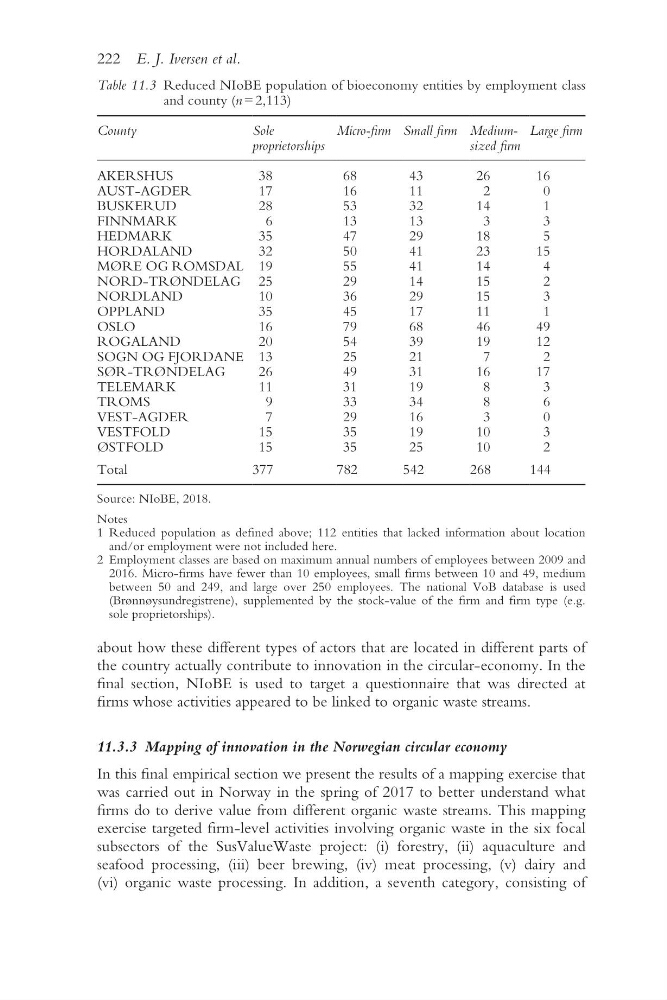
Table 11.3 Reduced NIoBE population of bioeconomy entities by employment class
and county (n = 2,113)
County
Sole
proprietorships
Micro-firm Small firm Mediumsized firm
Large firm
AKERSHUS
38
68
43
26
16
ausT-aGdeR
17
16
11
2
0
BUSKERUD
28
53
32
14
1
FINNMARK
6
13
13
3
3
HEDMARK
35
47
29
18
5
HORDALAND
32
50
41
23
15
mØRe oG RomsdaL 19
55
41
14
4
NoRd-TRØNdeLaG 25
29
14
15
2
NORDLAND
10
36
29
15
3
OPPLAND
35
45
17
11
1
OSLO
16
79
68
46
49
RoGaLaNd
20
54
39
19
12
soGN oG fJoRdaNe 13
25
21
7
2
sØR-TRØNdeLaG
26
49
31
16
17
TELEMARK
11
31
19
8
3
TROMS
9
33
34
8
6
VesT-aGdeR
7
29
16
3
0
VESTFOLD
15
35
19
10
3
ØSTFOLD
15
35
25
10
2
Total
377
782
542
268
144
Source: NIoBE, 2018.
Notes
1 Reduced population as defined above; 112 entities that lacked information about location
and/or employment were not included here.
2 Employment classes are based on maximum annual numbers of employees between 2009 and
2016. Micro-firms have fewer than 10 employees, small firms between 10 and 49, medium
between 50 and 249, and large over 250 employees. The national VoB database is used
(Brønnøysundregistrene), supplemented by the stock-value of the firm and firm type (e.g.
sole proprietorships).
about how these different types of actors that are located in different parts of
the country actually contribute to innovation in the circular- economy. In the
final section, NIoBE is used to target a questionnaire that was directed at
firms whose activities appeared to be linked to organic waste streams.
11.3.3 Mapping of innovation in the Norwegian circular economy
In this final empirical section we present the results of a mapping exercise that
was carried out in Norway in the spring of 2017 to better understand what
firms do to derive value from different organic waste streams. This mapping
exercise targeted firm- level activities involving organic waste in the six focal
subsectors of the SusValueWaste project: (i) forestry, (ii) aquaculture and
seafood processing, (iii) beer brewing, (iv) meat processing, (v) dairy and
(vi) organic waste processing. In addition, a seventh category, consisting of
Table 11.3 Reduced NIoBE population of bioeconomy entities by employment class
and county (n = 2,113)
County
Sole
proprietorships
Micro-firm Small firm Mediumsized firm
Large firm
AKERSHUS
38
68
43
26
16
ausT-aGdeR
17
16
11
2
0
BUSKERUD
28
53
32
14
1
FINNMARK
6
13
13
3
3
HEDMARK
35
47
29
18
5
HORDALAND
32
50
41
23
15
mØRe oG RomsdaL 19
55
41
14
4
NoRd-TRØNdeLaG 25
29
14
15
2
NORDLAND
10
36
29
15
3
OPPLAND
35
45
17
11
1
OSLO
16
79
68
46
49
RoGaLaNd
20
54
39
19
12
soGN oG fJoRdaNe 13
25
21
7
2
sØR-TRØNdeLaG
26
49
31
16
17
TELEMARK
11
31
19
8
3
TROMS
9
33
34
8
6
VesT-aGdeR
7
29
16
3
0
VESTFOLD
15
35
19
10
3
ØSTFOLD
15
35
25
10
2
Total
377
782
542
268
144
Source: NIoBE, 2018.
Notes
1 Reduced population as defined above; 112 entities that lacked information about location
and/or employment were not included here.
2 Employment classes are based on maximum annual numbers of employees between 2009 and
2016. Micro-firms have fewer than 10 employees, small firms between 10 and 49, medium
between 50 and 249, and large over 250 employees. The national VoB database is used
(Brønnøysundregistrene), supplemented by the stock-value of the firm and firm type (e.g.
sole proprietorships).