

A history of vibratory deep compaction 27
By the end of the 1970s, soil improvement using depth vibrators was
already an internationally accepted foundation method, which had not
only passed its acid test on all continents but enjoyed great popularity
thanks to numerous publications on very different fields of application. In
1973, Breth described in a German publication on nuclear reactor safety
the importance of vibro compaction to reduce the liquefaction potential
of saturated sands during earthquakes. At the same time, interesting studies and field trials on vibro replacement stone columns were carried out
in California in conjunction with the foundation of a sewage treatment
plant (Engelhardt and Golding, 1973). The investigations were performed
to study the behavior of stone columns in a seismic environment. The findings were indeed very encouraging and extended the field of application
of the method considerably. It was demonstrated that vibro replacement
stone columns provide very effective drainage paths helping to reduce the
excess pore water pressures that normally develop in saturated soils during
a seismic event. Due to their large shear resistance, the stone columns can
also safely carry the horizontal loads that develop during an earthquake as
a result of the horizontal ground acceleration. Figure 2.17 shows a picture
of a horizontal load test to identify the stone column’s shearing resistance.
Subsequently numerous foundations employing the vibro compaction and
replacement methods were carried out in the seismic zones of Europe,
North America, Africa, and Asia and have performed successfully since.
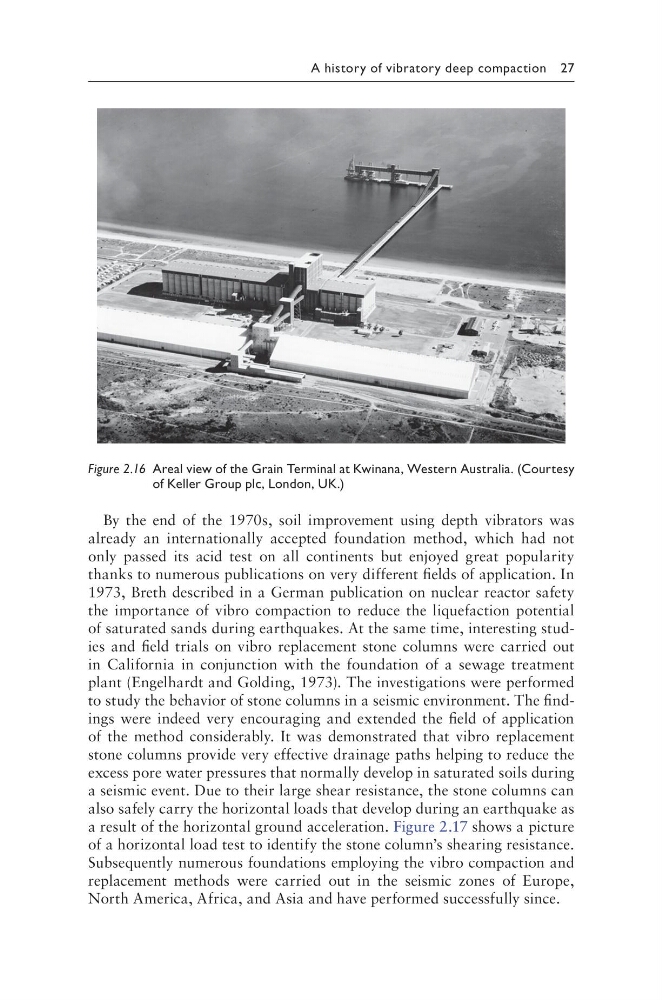
Figure 2.16 Areal view of the Grain Terminal at Kwinana, Western Australia. (Courtesy
of Keller Group plc, London, UK.)
By the end of the 1970s, soil improvement using depth vibrators was
already an internationally accepted foundation method, which had not
only passed its acid test on all continents but enjoyed great popularity
thanks to numerous publications on very different fields of application. In
1973, Breth described in a German publication on nuclear reactor safety
the importance of vibro compaction to reduce the liquefaction potential
of saturated sands during earthquakes. At the same time, interesting studies and field trials on vibro replacement stone columns were carried out
in California in conjunction with the foundation of a sewage treatment
plant (Engelhardt and Golding, 1973). The investigations were performed
to study the behavior of stone columns in a seismic environment. The findings were indeed very encouraging and extended the field of application
of the method considerably. It was demonstrated that vibro replacement
stone columns provide very effective drainage paths helping to reduce the
excess pore water pressures that normally develop in saturated soils during
a seismic event. Due to their large shear resistance, the stone columns can
also safely carry the horizontal loads that develop during an earthquake as
a result of the horizontal ground acceleration. Figure 2.17 shows a picture
of a horizontal load test to identify the stone column’s shearing resistance.
Subsequently numerous foundations employing the vibro compaction and
replacement methods were carried out in the seismic zones of Europe,
North America, Africa, and Asia and have performed successfully since.
Figure 2.16 Areal view of the Grain Terminal at Kwinana, Western Australia. (Courtesy
of Keller Group plc, London, UK.)