

Improvement of fine-grained and cohesive soils 173
vibrators. The key element of the quality assurance program was the standard data acquisition system recording depth and amperage over time, a
conventional measurement of the stone consumption and frequent load
tests on single columns. The load tests were performed with relatively small
steel plates of 1.5 × 1.5 m or even only 1 m diameter as test footings. The
regularity of the test result served as a good indicator for the steady execution of the stone columns and their performance under load.
In this context, it should be remembered that zone load tests, or at least
tests with footing sizes equal to the unit cell area, would deliver more significant results, the latter at relatively low extra costs, to better interpret the
load settlement performance of the structure.
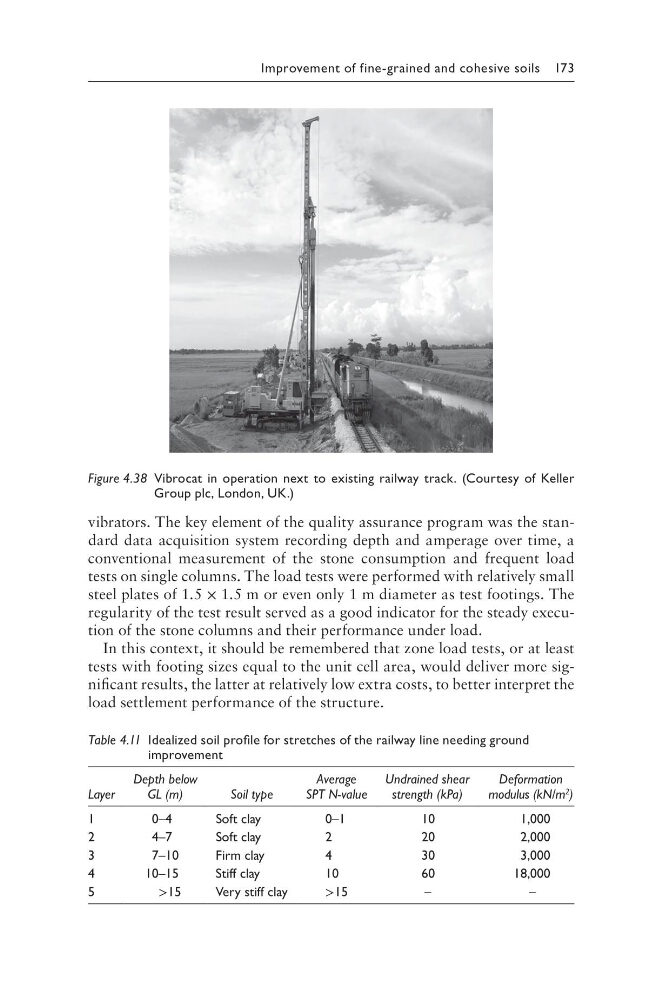
Figure 4.38 Vibrocat in operation next to existing railway track. (Courtesy of Keller
Group plc, London, UK.)
Table 4.11 Idealized soil profile for stretches of the railway line needing ground
improvement
Layer
Depth below
GL (m)
Soil type
Average
SPT N-value
Undrained shear
strength (kPa)
Deformation
modulus (kN/m 2 )
1
0–4
Soft clay
0–1
10
1,000
2
4–7
Soft clay
2
20
2,000
3
7–10
Firm clay
4
30
3,000
4
10–15
Stiff clay
10
60
18,000
5
>15
Very stiff clay
>15
–
–
vibrators. The key element of the quality assurance program was the standard data acquisition system recording depth and amperage over time, a
conventional measurement of the stone consumption and frequent load
tests on single columns. The load tests were performed with relatively small
steel plates of 1.5 × 1.5 m or even only 1 m diameter as test footings. The
regularity of the test result served as a good indicator for the steady execution of the stone columns and their performance under load.
In this context, it should be remembered that zone load tests, or at least
tests with footing sizes equal to the unit cell area, would deliver more significant results, the latter at relatively low extra costs, to better interpret the
load settlement performance of the structure.
Figure 4.38 Vibrocat in operation next to existing railway track. (Courtesy of Keller
Group plc, London, UK.)
Table 4.11 Idealized soil profile for stretches of the railway line needing ground
improvement
Layer
Depth below
GL (m)
Soil type
Average
SPT N-value
Undrained shear
strength (kPa)
Deformation
modulus (kN/m 2 )
1
0–4
Soft clay
0–1
10
1,000
2
4–7
Soft clay
2
20
2,000
3
7–10
Firm clay
4
30
3,000
4
10–15
Stiff clay
10
60
18,000
5
>15
Very stiff clay
>15
–
–