

41
characterize Chilean populations of this species (Díaz 2010). A higher genetic diversity was found in northern populations, with a moderate differentiation between
them (F ST = 0.118; Díaz 2010). Similarly, chloroplast DNA markers revealed higher
diversity in the north range of the species (Ferrada 2011). The range of Embothrium
coccineum covers a huge latitudinal gradient of about 2200 km, from sea level to
1200 m asl (Tortorelli 1956). It is a little tree or shrub that occurs as naturally
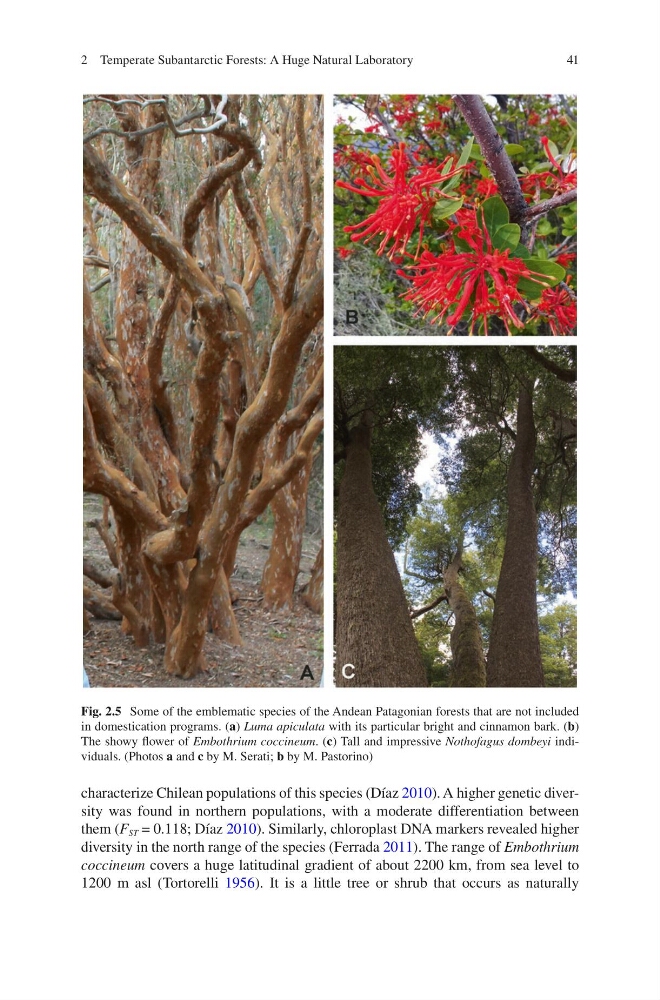
Fig. 2.5 Some of the emblematic species of the Andean Patagonian forests that are not included
in domestication programs. (a) Luma apiculata with its particular bright and cinnamon bark. (b)
The showy flower of Embothrium coccineum. (c) Tall and impressive Nothofagus dombeyi individuals. (Photos a and c by M. Serati; b by M. Pastorino)
2 Temperate Subantarctic Forests: A Huge Natural Laboratory
characterize Chilean populations of this species (Díaz 2010). A higher genetic diversity was found in northern populations, with a moderate differentiation between
them (F ST = 0.118; Díaz 2010). Similarly, chloroplast DNA markers revealed higher
diversity in the north range of the species (Ferrada 2011). The range of Embothrium
coccineum covers a huge latitudinal gradient of about 2200 km, from sea level to
1200 m asl (Tortorelli 1956). It is a little tree or shrub that occurs as naturally
Fig. 2.5 Some of the emblematic species of the Andean Patagonian forests that are not included
in domestication programs. (a) Luma apiculata with its particular bright and cinnamon bark. (b)
The showy flower of Embothrium coccineum. (c) Tall and impressive Nothofagus dombeyi individuals. (Photos a and c by M. Serati; b by M. Pastorino)
2 Temperate Subantarctic Forests: A Huge Natural Laboratory