

468
assembled sequences with an average length of 412 bp), genomic resources developed allowed (1) to generate information about genic and non-genic nuclear and
organelle (chloroplast and mitochondrial) regions, (2) to identify and characterize
SSR and SNP markers, (3) to determine using developed SSRs a higher genetic
diversity for Nothofagus obliqua (average number of alleles 4.89) than for N. alpina
(2.89) and (4) to reveal a strong conservation of the organelle genome in contrast to
numerous exclusive nuclear polymorphisms in both species.
Unigenes identified were mostly (around 70%) not characterized in the N. alpina
transcriptome sequencing (Torales et al. 2012), contributing therefore additional
genic information of non-expressed genes on leaf tissue. The sequence data produced allowed the construction of the first detailed map of the chloroplast genome
in both Nothofagus species, which could be used as a reference for the assembly of
chloroplast genomes of related species and for filtering organelle data from future
sequencing genome or transcriptome projects. Moreover, 29 SSRs were validated in
42 individuals per species, among which 8 SSRs were efficient to discriminate
among N. obliqua and N. alpina species. These markers further allowed to identify
and classify hybrid individuals in natural mixed forests of both species (El Mujtar
et al. 2017b).
Clipped raw reads
Default parameters
(5 replicates)
Polymorphism
detection
(QUALITYSNPNG, SEQQUAL)
SSR
identification
(MSATCOMMANDER)
Identification and functional
annotation of sequences
(BLAST2GO)
Low coverage project
parameters
To fill gaps
in organelle
genomes
(Local BLASTIN)
Clasification of organelle
sequences
(BLASTN, DOGMA, MITOFY)
mtDNA
contigs
cpDNA
contigs
BLASTX/Annotated
nDNA
cpDNA
mtDNA
Potential SSR loci
nDNA
cpDNA
mtDNA
SNPs/Indels
nDNA
cpDNA
mtDNA
De novo assembly
(MIRA)
Assembled reads
Contigs+Singletons
Selected assembly
Assembled reads
Contigs+Singletons
Alternative assembly
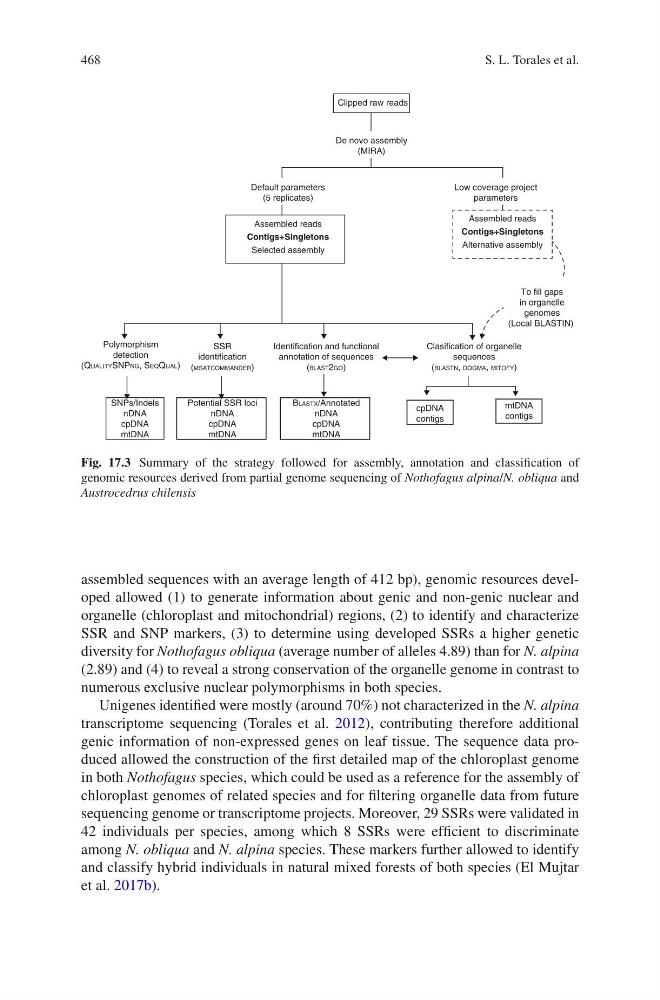
Fig. 17.3 Summary of the strategy followed for assembly, annotation and classification of
genomic resources derived from partial genome sequencing of Nothofagus alpina/N. obliqua and
Austrocedrus chilensis
S. L. Torales et al.
assembled sequences with an average length of 412 bp), genomic resources developed allowed (1) to generate information about genic and non-genic nuclear and
organelle (chloroplast and mitochondrial) regions, (2) to identify and characterize
SSR and SNP markers, (3) to determine using developed SSRs a higher genetic
diversity for Nothofagus obliqua (average number of alleles 4.89) than for N. alpina
(2.89) and (4) to reveal a strong conservation of the organelle genome in contrast to
numerous exclusive nuclear polymorphisms in both species.
Unigenes identified were mostly (around 70%) not characterized in the N. alpina
transcriptome sequencing (Torales et al. 2012), contributing therefore additional
genic information of non-expressed genes on leaf tissue. The sequence data produced allowed the construction of the first detailed map of the chloroplast genome
in both Nothofagus species, which could be used as a reference for the assembly of
chloroplast genomes of related species and for filtering organelle data from future
sequencing genome or transcriptome projects. Moreover, 29 SSRs were validated in
42 individuals per species, among which 8 SSRs were efficient to discriminate
among N. obliqua and N. alpina species. These markers further allowed to identify
and classify hybrid individuals in natural mixed forests of both species (El Mujtar
et al. 2017b).
Clipped raw reads
Default parameters
(5 replicates)
Polymorphism
detection
(QUALITYSNPNG, SEQQUAL)
SSR
identification
(MSATCOMMANDER)
Identification and functional
annotation of sequences
(BLAST2GO)
Low coverage project
parameters
To fill gaps
in organelle
genomes
(Local BLASTIN)
Clasification of organelle
sequences
(BLASTN, DOGMA, MITOFY)
mtDNA
contigs
cpDNA
contigs
BLASTX/Annotated
nDNA
cpDNA
mtDNA
Potential SSR loci
nDNA
cpDNA
mtDNA
SNPs/Indels
nDNA
cpDNA
mtDNA
De novo assembly
(MIRA)
Assembled reads
Contigs+Singletons
Selected assembly
Assembled reads
Contigs+Singletons
Alternative assembly
Fig. 17.3 Summary of the strategy followed for assembly, annotation and classification of
genomic resources derived from partial genome sequencing of Nothofagus alpina/N. obliqua and
Austrocedrus chilensis
S. L. Torales et al.