

190
needs more technology, cost, and time and remains challenging. The environmental
impact of mycoprotein produced using sugar-based molasses was compared with
other meat options. It was found that mycoprotein and chicken have almost indistinguishable environmental impact which is lower than the cultured meat (Smetana
et al. 2015).
They compared the various environment impact factors such as energy, land
water used for the meat substitutes, and the real meat members. This study revealed
that mycoproteins stood as an efficient meat substitute in managing the above-said
factors (Table 11.1). Mycoprotein is considered as an efficient alternative in terms
of water (~500 L/kg) and land use. When considering the land usage, for chicken
production 5–7 m
2
a/kg and pork production 7–8 m
2
a/kg of land are needed.
However, mycoprotein needs only <2 m
2
a/kg which is very lower than chicken and
pork. In energy consumption mycoproteins are on par with dairy alternatives
(15–20 kWh/kg). However, it is higher than vegetables and insects (Smetana et al.
2018; Filho et al. 2019). In addition, it was reported that when compared to cultured
meat, the mycoprotein performance is lower with reference to calorific energy value
and the digestible proteins (Smetana et al. 2015).
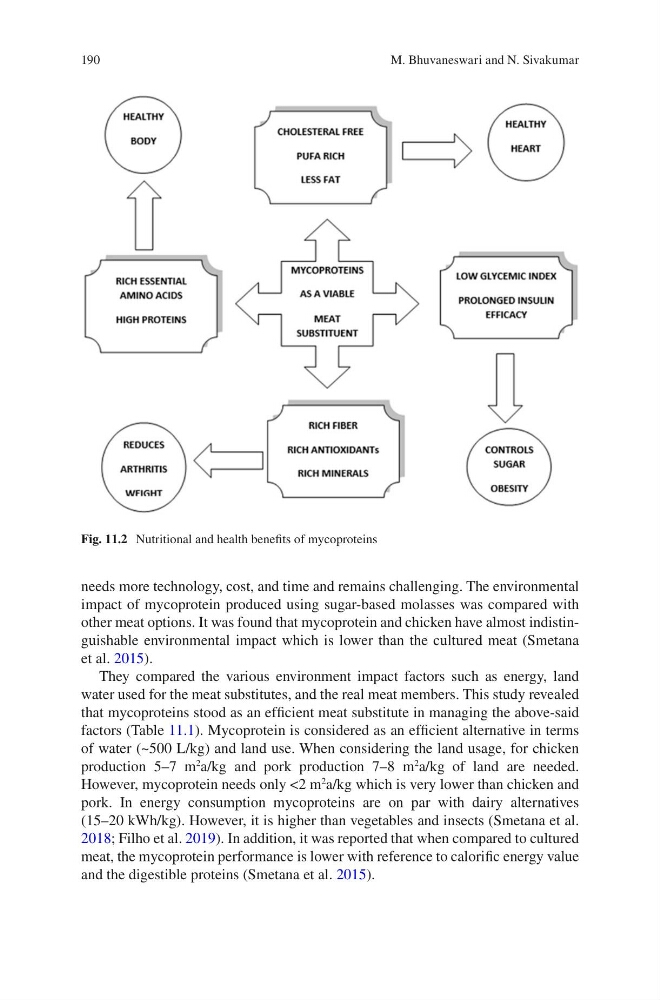
Fig. 11.2 Nutritional and health benefits of mycoproteins
M. Bhuvaneswari and N. Sivakumar
needs more technology, cost, and time and remains challenging. The environmental
impact of mycoprotein produced using sugar-based molasses was compared with
other meat options. It was found that mycoprotein and chicken have almost indistinguishable environmental impact which is lower than the cultured meat (Smetana
et al. 2015).
They compared the various environment impact factors such as energy, land
water used for the meat substitutes, and the real meat members. This study revealed
that mycoproteins stood as an efficient meat substitute in managing the above-said
factors (Table 11.1). Mycoprotein is considered as an efficient alternative in terms
of water (~500 L/kg) and land use. When considering the land usage, for chicken
production 5–7 m
2
a/kg and pork production 7–8 m
2
a/kg of land are needed.
However, mycoprotein needs only <2 m
2
a/kg which is very lower than chicken and
pork. In energy consumption mycoproteins are on par with dairy alternatives
(15–20 kWh/kg). However, it is higher than vegetables and insects (Smetana et al.
2018; Filho et al. 2019). In addition, it was reported that when compared to cultured
meat, the mycoprotein performance is lower with reference to calorific energy value
and the digestible proteins (Smetana et al. 2015).
Fig. 11.2 Nutritional and health benefits of mycoproteins
M. Bhuvaneswari and N. Sivakumar