

Ligand-induced thermal stabilization is also known to occur
within the context of the intracellular environment, which can be
detected in a Cellular Thermal Shift Assay (CETSA
®
) [4, 5]. Here,
ligands are incubated with live cells before subjecting cells to a
transient heat shock, after which the remaining soluble protein is
quantified. CETSA
® experiments can be performed with a single
concentration of compound tested across multiple temperatures
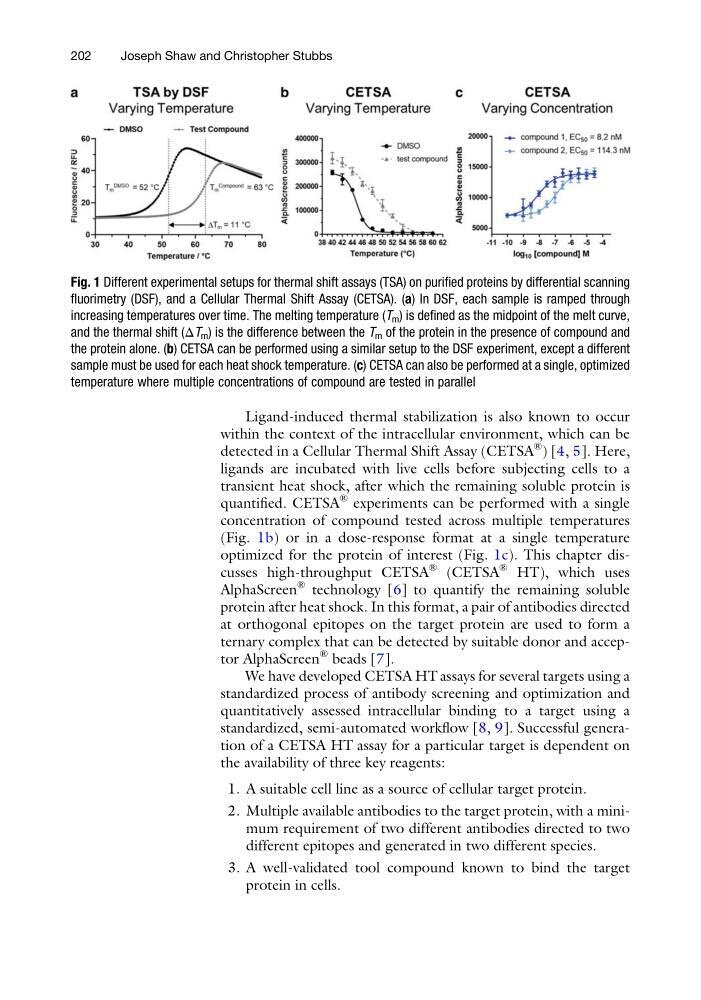
(Fig. 1b) or in a dose-response format at a single temperature
optimized for the protein of interest (Fig. 1c). This chapter discusses high-throughput CETSA
® (CETSA
® HT), which uses
AlphaScreen
® technology [6] to quantify the remaining soluble
protein after heat shock. In this format, a pair of antibodies directed
at orthogonal epitopes on the target protein are used to form a
ternary complex that can be detected by suitable donor and acceptor AlphaScreen
® beads [7].
We have developed CETSA HT assays for several targets using a
standardized process of antibody screening and optimization and
quantitatively assessed intracellular binding to a target using a
standardized, semi-automated workflow [8, 9]. Successful generation of a CETSA HT assay for a particular target is dependent on
the availability of three key reagents:
1. A suitable cell line as a source of cellular target protein.
2. Multiple available antibodies to the target protein, with a minimum requirement of two different antibodies directed to two
different epitopes and generated in two different species.
3. A well-validated tool compound known to bind the target
protein in cells.
Fig. 1 Different experimental setups for thermal shift assays (TSA) on purified proteins by differential scanning
fluorimetry (DSF), and a Cellular Thermal Shift Assay (CETSA). (a) In DSF, each sample is ramped through
increasing temperatures over time. The melting temperature (T m ) is defined as the midpoint of the melt curve,
and the thermal shift (ΔT m ) is the difference between the T m of the protein in the presence of compound and
the protein alone. (b) CETSA can be performed using a similar setup to the DSF experiment, except a different
sample must be used for each heat shock temperature. (c) CETSA can also be performed at a single, optimized
temperature where multiple concentrations of compound are tested in parallel
202
Joseph Shaw and Christopher Stubbs
within the context of the intracellular environment, which can be
detected in a Cellular Thermal Shift Assay (CETSA
®
) [4, 5]. Here,
ligands are incubated with live cells before subjecting cells to a
transient heat shock, after which the remaining soluble protein is
quantified. CETSA
® experiments can be performed with a single
concentration of compound tested across multiple temperatures
(Fig. 1b) or in a dose-response format at a single temperature
optimized for the protein of interest (Fig. 1c). This chapter discusses high-throughput CETSA
® (CETSA
® HT), which uses
AlphaScreen
® technology [6] to quantify the remaining soluble
protein after heat shock. In this format, a pair of antibodies directed
at orthogonal epitopes on the target protein are used to form a
ternary complex that can be detected by suitable donor and acceptor AlphaScreen
® beads [7].
We have developed CETSA HT assays for several targets using a
standardized process of antibody screening and optimization and
quantitatively assessed intracellular binding to a target using a
standardized, semi-automated workflow [8, 9]. Successful generation of a CETSA HT assay for a particular target is dependent on
the availability of three key reagents:
1. A suitable cell line as a source of cellular target protein.
2. Multiple available antibodies to the target protein, with a minimum requirement of two different antibodies directed to two
different epitopes and generated in two different species.
3. A well-validated tool compound known to bind the target
protein in cells.
Fig. 1 Different experimental setups for thermal shift assays (TSA) on purified proteins by differential scanning
fluorimetry (DSF), and a Cellular Thermal Shift Assay (CETSA). (a) In DSF, each sample is ramped through
increasing temperatures over time. The melting temperature (T m ) is defined as the midpoint of the melt curve,
and the thermal shift (ΔT m ) is the difference between the T m of the protein in the presence of compound and
the protein alone. (b) CETSA can be performed using a similar setup to the DSF experiment, except a different
sample must be used for each heat shock temperature. (c) CETSA can also be performed at a single, optimized
temperature where multiple concentrations of compound are tested in parallel
202
Joseph Shaw and Christopher Stubbs