

plants. Stief et al. (2014) have shown HS-mediated strong induction of miR156 that
is maintained for several days even when HS ceases, signifying that miR156 is
required for HS memory. Elevated miR156 levels enhance and prolong HS memory
by the repression of SPL2 and SPL11, the SQUAMOSA-PROMOTER BINDING
PROTEIN-LIKE transcription factor genes in Arabidopsis. Higher expression of
miR156 maintains sustained expression of HSR genes that lead to the improved
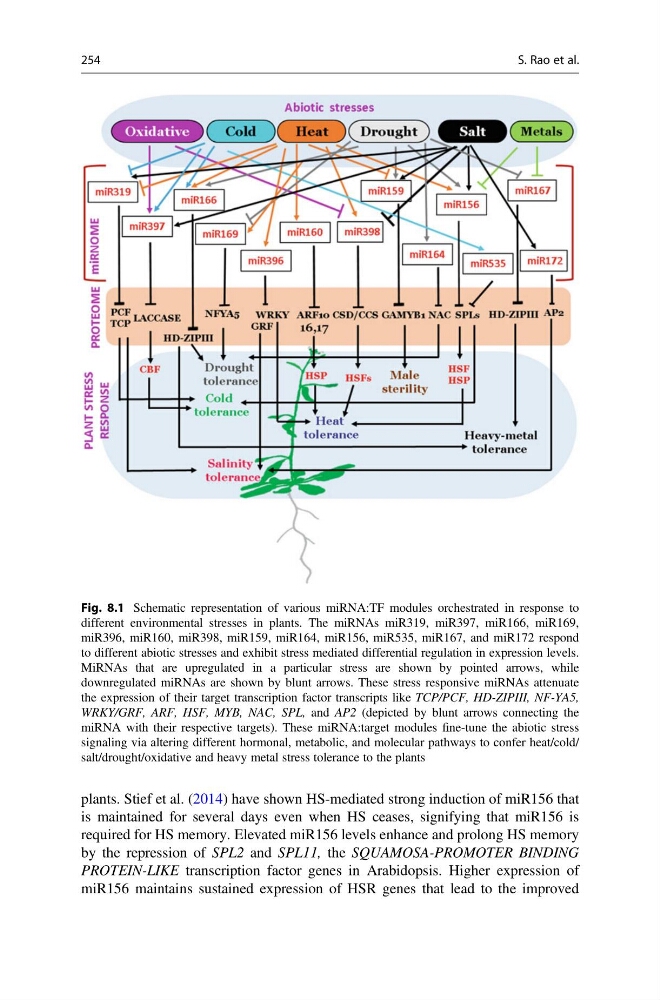
Fig. 8.1 Schematic representation of various miRNA:TF modules orchestrated in response to
different environmental stresses in plants. The miRNAs miR319, miR397, miR166, miR169,
miR396, miR160, miR398, miR159, miR164, miR156, miR535, miR167, and miR172 respond
to different abiotic stresses and exhibit stress mediated differential regulation in expression levels.
MiRNAs that are upregulated in a particular stress are shown by pointed arrows, while
downregulated miRNAs are shown by blunt arrows. These stress responsive miRNAs attenuate
the expression of their target transcription factor transcripts like TCP/PCF, HD-ZIPIII, NF-YA5,
WRKY/GRF, ARF, HSF, MYB, NAC, SPL, and AP2 (depicted by blunt arrows connecting the
miRNA with their respective targets). These miRNA:target modules fine-tune the abiotic stress
signaling via altering different hormonal, metabolic, and molecular pathways to confer heat/cold/
salt/drought/oxidative and heavy metal stress tolerance to the plants
254
S. Rao et al.
is maintained for several days even when HS ceases, signifying that miR156 is
required for HS memory. Elevated miR156 levels enhance and prolong HS memory
by the repression of SPL2 and SPL11, the SQUAMOSA-PROMOTER BINDING
PROTEIN-LIKE transcription factor genes in Arabidopsis. Higher expression of
miR156 maintains sustained expression of HSR genes that lead to the improved
Fig. 8.1 Schematic representation of various miRNA:TF modules orchestrated in response to
different environmental stresses in plants. The miRNAs miR319, miR397, miR166, miR169,
miR396, miR160, miR398, miR159, miR164, miR156, miR535, miR167, and miR172 respond
to different abiotic stresses and exhibit stress mediated differential regulation in expression levels.
MiRNAs that are upregulated in a particular stress are shown by pointed arrows, while
downregulated miRNAs are shown by blunt arrows. These stress responsive miRNAs attenuate
the expression of their target transcription factor transcripts like TCP/PCF, HD-ZIPIII, NF-YA5,
WRKY/GRF, ARF, HSF, MYB, NAC, SPL, and AP2 (depicted by blunt arrows connecting the
miRNA with their respective targets). These miRNA:target modules fine-tune the abiotic stress
signaling via altering different hormonal, metabolic, and molecular pathways to confer heat/cold/
salt/drought/oxidative and heavy metal stress tolerance to the plants
254
S. Rao et al.