

vi
describes bioinformatics strategies for prioritizing drug targets in pathogens.
Comparative genomics is associated with pan-genomics, subtractive genomics,
structural bioinformatics, and metabolic pathways analysis to design new antibiotics. Chapter 5 by Duan et al. summarizes approaches for analyzing native persister
cells within a population. Approaches include the fluorescent label–based singlecell approach, high throughput screening approaches including transposon mutant
library screening, knockout and overexpression library screening, and omic
approaches to understand the formation of persister phenotypes.
Chapter 6 by Sarma et al. presents the CRISPR-Cas system as a promising tool
for addressing antimicrobial resistance. CRISPR-Cas machinery is an adaptive
immune system found in bacteria and archae and is used by the organism to eliminate foreign invading genetic material. Chapter 7 by Singh et al. explains how bacterial biofilms contribute to increase in antibiotic resistance. Indeed, bacteria become
more resistant to antimicrobials when they are embedded in slimy extracellular
polymeric substances. The chapter presents innovative strategies to control bacterial
biofilms and reviews molecular mechanisms of bacterial communication with the
environment, such as quorum-sensing. Quorum-sensing communication is also discussed in Chap. 8 by Kumar et al. with focus on the usage of quorum sensing
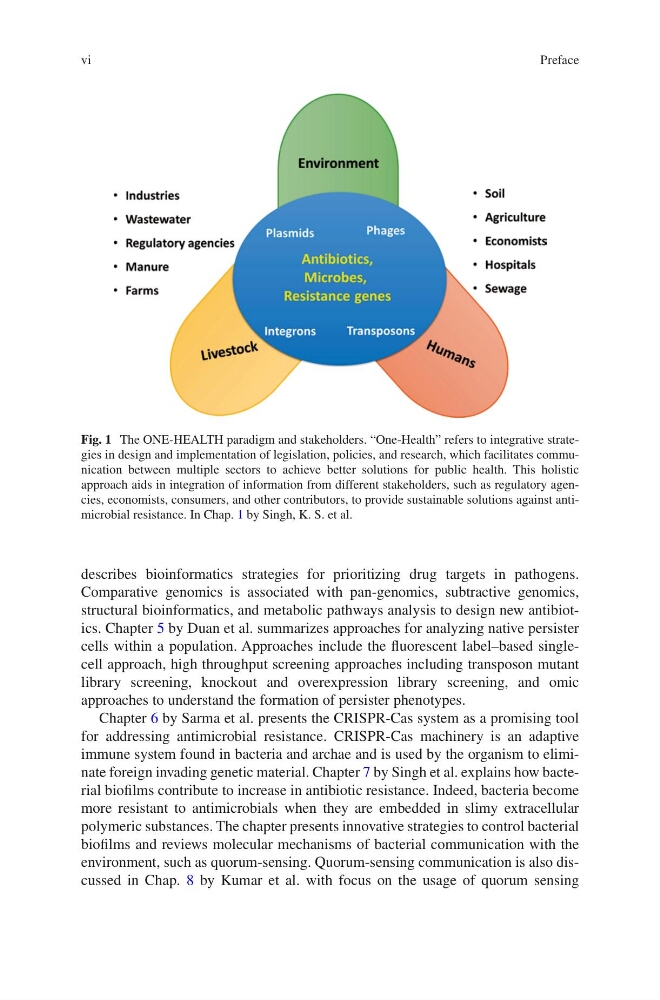
Fig. 1 The ONE-HEALTH paradigm and stakeholders. “One-Health” refers to integrative strategies in design and implementation of legislation, policies, and research, which facilitates communication between multiple sectors to achieve better solutions for public health. This holistic
approach aids in integration of information from different stakeholders, such as regulatory agencies, economists, consumers, and other contributors, to provide sustainable solutions against antimicrobial resistance. In Chap. 1 by Singh, K. S. et al.
Preface
describes bioinformatics strategies for prioritizing drug targets in pathogens.
Comparative genomics is associated with pan-genomics, subtractive genomics,
structural bioinformatics, and metabolic pathways analysis to design new antibiotics. Chapter 5 by Duan et al. summarizes approaches for analyzing native persister
cells within a population. Approaches include the fluorescent label–based singlecell approach, high throughput screening approaches including transposon mutant
library screening, knockout and overexpression library screening, and omic
approaches to understand the formation of persister phenotypes.
Chapter 6 by Sarma et al. presents the CRISPR-Cas system as a promising tool
for addressing antimicrobial resistance. CRISPR-Cas machinery is an adaptive
immune system found in bacteria and archae and is used by the organism to eliminate foreign invading genetic material. Chapter 7 by Singh et al. explains how bacterial biofilms contribute to increase in antibiotic resistance. Indeed, bacteria become
more resistant to antimicrobials when they are embedded in slimy extracellular
polymeric substances. The chapter presents innovative strategies to control bacterial
biofilms and reviews molecular mechanisms of bacterial communication with the
environment, such as quorum-sensing. Quorum-sensing communication is also discussed in Chap. 8 by Kumar et al. with focus on the usage of quorum sensing
Fig. 1 The ONE-HEALTH paradigm and stakeholders. “One-Health” refers to integrative strategies in design and implementation of legislation, policies, and research, which facilitates communication between multiple sectors to achieve better solutions for public health. This holistic
approach aids in integration of information from different stakeholders, such as regulatory agencies, economists, consumers, and other contributors, to provide sustainable solutions against antimicrobial resistance. In Chap. 1 by Singh, K. S. et al.
Preface