

118
genome sequences of within host evolved clinical S. epidermidis isolates has
revealed many mutations in regulatory and metabolic genes that can result in
increased antibiotic tolerance (Haunreiter et al. 2019).
In the in vitro evolution experiments, investigators simulate the clinical treatments by exposing bacterial population to the high concentrations of antibiotics
intermittently. Using this strategy, high persister mutants of M. tuberculosis have
been enriched under streptomycin and rifampicin treatment (Torrey et al. 2016). Ten
cycles of treatment with ampicillin resulted in selection of E. coli mutants with high
level of antibiotic tolerance by increasing the lag time upon dilution in fresh medium
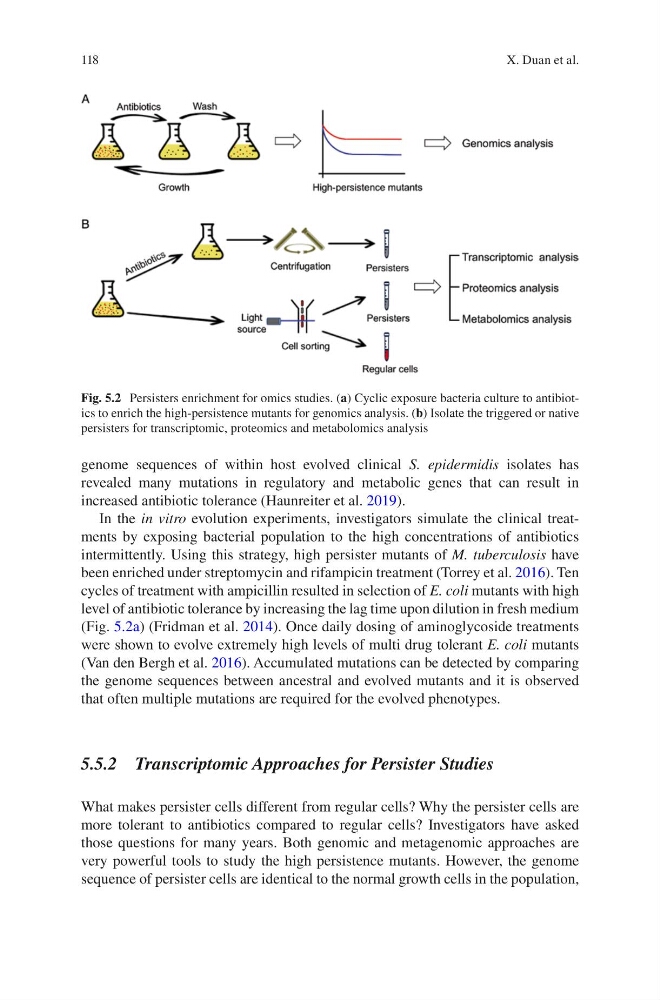
(Fig. 5.2a) (Fridman et al. 2014). Once daily dosing of aminoglycoside treatments
were shown to evolve extremely high levels of multi drug tolerant E. coli mutants
(Van den Bergh et al. 2016). Accumulated mutations can be detected by comparing
the genome sequences between ancestral and evolved mutants and it is observed
that often multiple mutations are required for the evolved phenotypes.
5.5.2 Transcriptomic Approaches for Persister Studies
What makes persister cells different from regular cells? Why the persister cells are
more tolerant to antibiotics compared to regular cells? Investigators have asked
those questions for many years. Both genomic and metagenomic approaches are
very powerful tools to study the high persistence mutants. However, the genome
sequence of persister cells are identical to the normal growth cells in the population,
Fig. 5.2 Persisters enrichment for omics studies. (a) Cyclic exposure bacteria culture to antibiotics to enrich the high-persistence mutants for genomics analysis. (b) Isolate the triggered or native
persisters for transcriptomic, proteomics and metabolomics analysis
X. Duan et al.
genome sequences of within host evolved clinical S. epidermidis isolates has
revealed many mutations in regulatory and metabolic genes that can result in
increased antibiotic tolerance (Haunreiter et al. 2019).
In the in vitro evolution experiments, investigators simulate the clinical treatments by exposing bacterial population to the high concentrations of antibiotics
intermittently. Using this strategy, high persister mutants of M. tuberculosis have
been enriched under streptomycin and rifampicin treatment (Torrey et al. 2016). Ten
cycles of treatment with ampicillin resulted in selection of E. coli mutants with high
level of antibiotic tolerance by increasing the lag time upon dilution in fresh medium
(Fig. 5.2a) (Fridman et al. 2014). Once daily dosing of aminoglycoside treatments
were shown to evolve extremely high levels of multi drug tolerant E. coli mutants
(Van den Bergh et al. 2016). Accumulated mutations can be detected by comparing
the genome sequences between ancestral and evolved mutants and it is observed
that often multiple mutations are required for the evolved phenotypes.
5.5.2 Transcriptomic Approaches for Persister Studies
What makes persister cells different from regular cells? Why the persister cells are
more tolerant to antibiotics compared to regular cells? Investigators have asked
those questions for many years. Both genomic and metagenomic approaches are
very powerful tools to study the high persistence mutants. However, the genome
sequence of persister cells are identical to the normal growth cells in the population,
Fig. 5.2 Persisters enrichment for omics studies. (a) Cyclic exposure bacteria culture to antibiotics to enrich the high-persistence mutants for genomics analysis. (b) Isolate the triggered or native
persisters for transcriptomic, proteomics and metabolomics analysis
X. Duan et al.