

14.7.2 Mean Stratum Percent Cultivation Range, Standard
Deviations, and PSU Size
The purpose of integrating the automated method into NASS operations is to ensure
that stratum mean percent cultivation is consistent with the stratum definition ranges.
For example, strata 11, 12, and 20 in the traditional Oklahoma area frame, strata
11 and 12 in the traditional South Dakota area frame, and strata 13 and 20 in the
traditional Alabama area frame do not have mean strata percent cultivations that are
consistent with their corresponding strata definition ranges. As shown in Table 14.6,
the stratum percent cultivation values are outside of the bound of the stratum
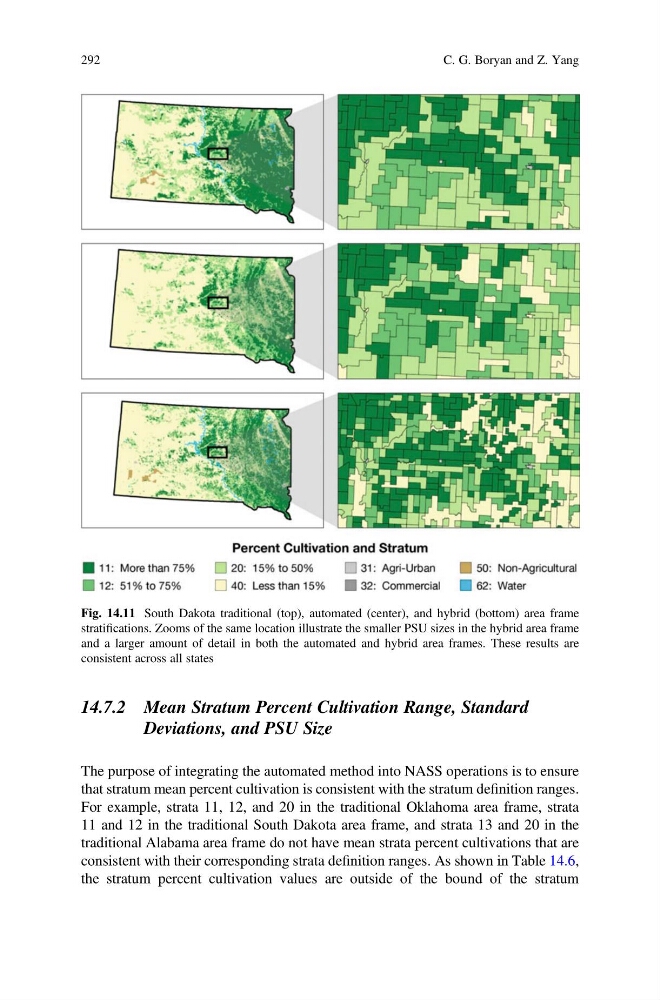
Fig. 14.11 South Dakota traditional (top), automated (center), and hybrid (bottom) area frame
stratifications. Zooms of the same location illustrate the smaller PSU sizes in the hybrid area frame
and a larger amount of detail in both the automated and hybrid area frames. These results are
consistent across all states
292
C. G. Boryan and Z. Yang
Deviations, and PSU Size
The purpose of integrating the automated method into NASS operations is to ensure
that stratum mean percent cultivation is consistent with the stratum definition ranges.
For example, strata 11, 12, and 20 in the traditional Oklahoma area frame, strata
11 and 12 in the traditional South Dakota area frame, and strata 13 and 20 in the
traditional Alabama area frame do not have mean strata percent cultivations that are
consistent with their corresponding strata definition ranges. As shown in Table 14.6,
the stratum percent cultivation values are outside of the bound of the stratum
Fig. 14.11 South Dakota traditional (top), automated (center), and hybrid (bottom) area frame
stratifications. Zooms of the same location illustrate the smaller PSU sizes in the hybrid area frame
and a larger amount of detail in both the automated and hybrid area frames. These results are
consistent across all states
292
C. G. Boryan and Z. Yang