

222
8.5.2 Digital Technologies Throughout the Food System
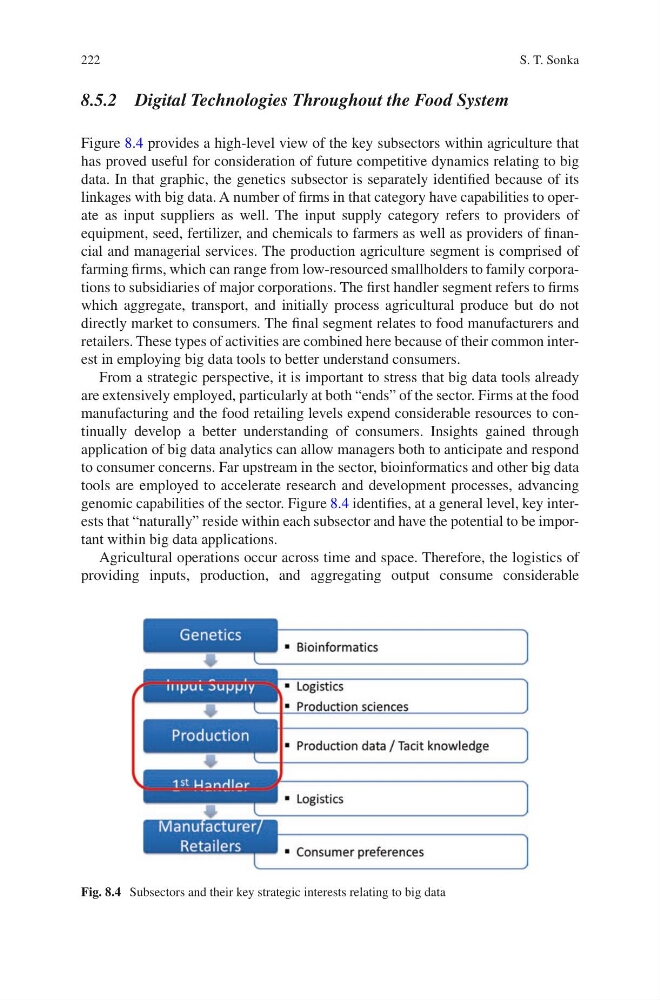
Figure 8.4 provides a high-level view of the key subsectors within agriculture that
has proved useful for consideration of future competitive dynamics relating to big
data. In that graphic, the genetics subsector is separately identified because of its
linkages with big data. A number of firms in that category have capabilities to operate as input suppliers as well. The input supply category refers to providers of
equipment, seed, fertilizer, and chemicals to farmers as well as providers of financial and managerial services. The production agriculture segment is comprised of
farming firms, which can range from low-resourced smallholders to family corporations to subsidiaries of major corporations. The first handler segment refers to firms
which aggregate, transport, and initially process agricultural produce but do not
directly market to consumers. The final segment relates to food manufacturers and
retailers. These types of activities are combined here because of their common interest in employing big data tools to better understand consumers.
From a strategic perspective, it is important to stress that big data tools already
are extensively employed, particularly at both “ends” of the sector. Firms at the food
manufacturing and the food retailing levels expend considerable resources to continually develop a better understanding of consumers. Insights gained through
application of big data analytics can allow managers both to anticipate and respond
to consumer concerns. Far upstream in the sector, bioinformatics and other big data
tools are employed to accelerate research and development processes, advancing
genomic capabilities of the sector. Figure 8.4 identifies, at a general level, key interests that “naturally” reside within each subsector and have the potential to be important within big data applications.
Agricultural operations occur across time and space. Therefore, the logistics of
providing inputs, production, and aggregating output consume considerable
Fig. 8.4 Subsectors and their key strategic interests relating to big data
S. T. Sonka
8.5.2 Digital Technologies Throughout the Food System
Figure 8.4 provides a high-level view of the key subsectors within agriculture that
has proved useful for consideration of future competitive dynamics relating to big
data. In that graphic, the genetics subsector is separately identified because of its
linkages with big data. A number of firms in that category have capabilities to operate as input suppliers as well. The input supply category refers to providers of
equipment, seed, fertilizer, and chemicals to farmers as well as providers of financial and managerial services. The production agriculture segment is comprised of
farming firms, which can range from low-resourced smallholders to family corporations to subsidiaries of major corporations. The first handler segment refers to firms
which aggregate, transport, and initially process agricultural produce but do not
directly market to consumers. The final segment relates to food manufacturers and
retailers. These types of activities are combined here because of their common interest in employing big data tools to better understand consumers.
From a strategic perspective, it is important to stress that big data tools already
are extensively employed, particularly at both “ends” of the sector. Firms at the food
manufacturing and the food retailing levels expend considerable resources to continually develop a better understanding of consumers. Insights gained through
application of big data analytics can allow managers both to anticipate and respond
to consumer concerns. Far upstream in the sector, bioinformatics and other big data
tools are employed to accelerate research and development processes, advancing
genomic capabilities of the sector. Figure 8.4 identifies, at a general level, key interests that “naturally” reside within each subsector and have the potential to be important within big data applications.
Agricultural operations occur across time and space. Therefore, the logistics of
providing inputs, production, and aggregating output consume considerable
Fig. 8.4 Subsectors and their key strategic interests relating to big data
S. T. Sonka