

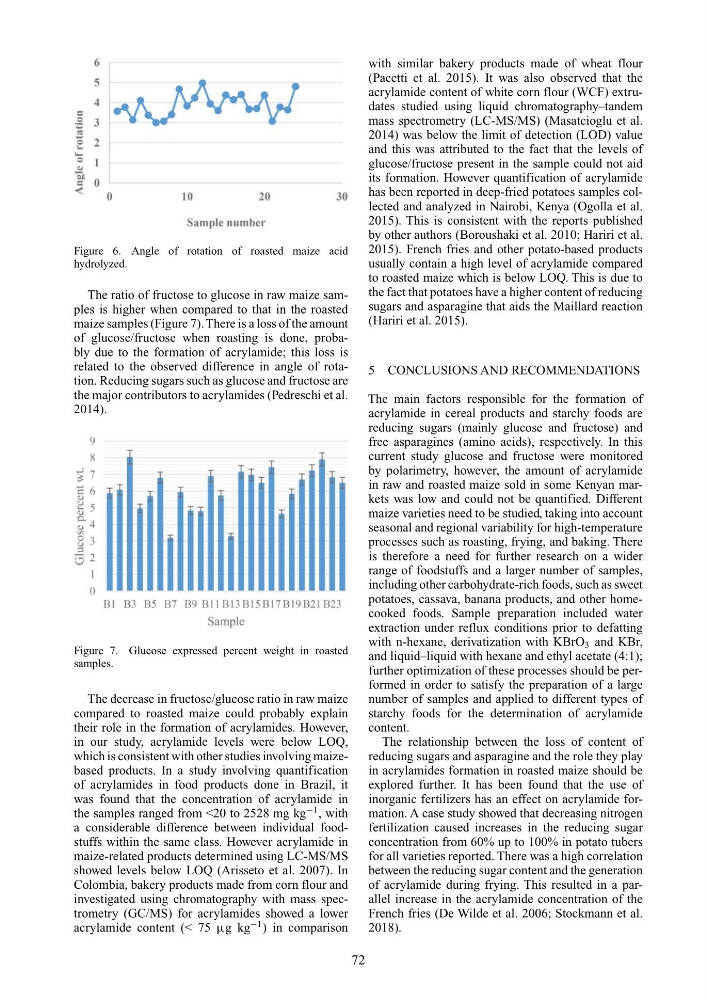
Figure 6. Angle of rotation of roasted maize acid
hydrolyzed.
The ratio of fructose to glucose in raw maize samples is higher when compared to that in the roasted
maize samples (Figure 7). There is a loss of the amount
of glucose/fructose when roasting is done, probably due to the formation of acrylamide; this loss is
related to the observed difference in angle of rotation. Reducing sugars such as glucose and fructose are
the major contributors to acrylamides (Pedreschi et al.
2014).
Figure 7. Glucose expressed percent weight in roasted
samples.
The decrease in fructose/glucose ratio in raw maize
compared to roasted maize could probably explain
their role in the formation of acrylamides. However,
in our study, acrylamide levels were below LOQ,
which is consistent with other studies involving maizebased products. In a study involving quantification
of acrylamides in food products done in Brazil, it
was found that the concentration of acrylamide in
the samples ranged from <20 to 2528 mg kg
−1 , with
a considerable difference between individual foodstuffs within the same class. However acrylamide in
maize-related products determined using LC-MS/MS
showed levels below LOQ (Arisseto et al. 2007). In
Colombia, bakery products made from corn flour and
investigated using chromatography with mass spectrometry (GC/MS) for acrylamides showed a lower
acrylamide content (< 75 µg kg
−1 ) in comparison
with similar bakery products made of wheat flour
(Pacetti et al. 2015). It was also observed that the
acrylamide content of white corn flour (WCF) extrudates studied using liquid chromatography–tandem
mass spectrometry (LC-MS/MS) (Masatcioglu et al.
2014) was below the limit of detection (LOD) value
and this was attributed to the fact that the levels of
glucose/fructose present in the sample could not aid
its formation. However quantification of acrylamide
has been reported in deep-fried potatoes samples collected and analyzed in Nairobi, Kenya (Ogolla et al.
2015). This is consistent with the reports published
by other authors (Boroushaki et al. 2010; Hariri et al.
2015). French fries and other potato-based products
usually contain a high level of acrylamide compared
to roasted maize which is below LOQ. This is due to
the fact that potatoes have a higher content of reducing
sugars and asparagine that aids the Maillard reaction
(Hariri et al. 2015).
5 CONCLUSIONS AND RECOMMENDATIONS
The main factors responsible for the formation of
acrylamide in cereal products and starchy foods are
reducing sugars (mainly glucose and fructose) and
free asparagines (amino acids), respectively. In this
current study glucose and fructose were monitored
by polarimetry, however, the amount of acrylamide
in raw and roasted maize sold in some Kenyan markets was low and could not be quantified. Different
maize varieties need to be studied, taking into account
seasonal and regional variability for high-temperature
processes such as roasting, frying, and baking. There
is therefore a need for further research on a wider
range of foodstuffs and a larger number of samples,
including other carbohydrate-rich foods, such as sweet
potatoes, cassava, banana products, and other homecooked foods. Sample preparation included water
extraction under reflux conditions prior to defatting
with n-hexane, derivatization with KBrO 3 and KBr,
and liquid–liquid with hexane and ethyl acetate (4:1);
further optimization of these processes should be performed in order to satisfy the preparation of a large
number of samples and applied to different types of
starchy foods for the determination of acrylamide
content.
The relationship between the loss of content of
reducing sugars and asparagine and the role they play
in acrylamides formation in roasted maize should be
explored further. It has been found that the use of
inorganic fertilizers has an effect on acrylamide formation. A case study showed that decreasing nitrogen
fertilization caused increases in the reducing sugar
concentration from 60% up to 100% in potato tubers
for all varieties reported. There was a high correlation
between the reducing sugar content and the generation
of acrylamide during frying. This resulted in a parallel increase in the acrylamide concentration of the
French fries (De Wilde et al. 2006; Stockmann et al.
2018).
72
hydrolyzed.
The ratio of fructose to glucose in raw maize samples is higher when compared to that in the roasted
maize samples (Figure 7). There is a loss of the amount
of glucose/fructose when roasting is done, probably due to the formation of acrylamide; this loss is
related to the observed difference in angle of rotation. Reducing sugars such as glucose and fructose are
the major contributors to acrylamides (Pedreschi et al.
2014).
Figure 7. Glucose expressed percent weight in roasted
samples.
The decrease in fructose/glucose ratio in raw maize
compared to roasted maize could probably explain
their role in the formation of acrylamides. However,
in our study, acrylamide levels were below LOQ,
which is consistent with other studies involving maizebased products. In a study involving quantification
of acrylamides in food products done in Brazil, it
was found that the concentration of acrylamide in
the samples ranged from <20 to 2528 mg kg
−1 , with
a considerable difference between individual foodstuffs within the same class. However acrylamide in
maize-related products determined using LC-MS/MS
showed levels below LOQ (Arisseto et al. 2007). In
Colombia, bakery products made from corn flour and
investigated using chromatography with mass spectrometry (GC/MS) for acrylamides showed a lower
acrylamide content (< 75 µg kg
−1 ) in comparison
with similar bakery products made of wheat flour
(Pacetti et al. 2015). It was also observed that the
acrylamide content of white corn flour (WCF) extrudates studied using liquid chromatography–tandem
mass spectrometry (LC-MS/MS) (Masatcioglu et al.
2014) was below the limit of detection (LOD) value
and this was attributed to the fact that the levels of
glucose/fructose present in the sample could not aid
its formation. However quantification of acrylamide
has been reported in deep-fried potatoes samples collected and analyzed in Nairobi, Kenya (Ogolla et al.
2015). This is consistent with the reports published
by other authors (Boroushaki et al. 2010; Hariri et al.
2015). French fries and other potato-based products
usually contain a high level of acrylamide compared
to roasted maize which is below LOQ. This is due to
the fact that potatoes have a higher content of reducing
sugars and asparagine that aids the Maillard reaction
(Hariri et al. 2015).
5 CONCLUSIONS AND RECOMMENDATIONS
The main factors responsible for the formation of
acrylamide in cereal products and starchy foods are
reducing sugars (mainly glucose and fructose) and
free asparagines (amino acids), respectively. In this
current study glucose and fructose were monitored
by polarimetry, however, the amount of acrylamide
in raw and roasted maize sold in some Kenyan markets was low and could not be quantified. Different
maize varieties need to be studied, taking into account
seasonal and regional variability for high-temperature
processes such as roasting, frying, and baking. There
is therefore a need for further research on a wider
range of foodstuffs and a larger number of samples,
including other carbohydrate-rich foods, such as sweet
potatoes, cassava, banana products, and other homecooked foods. Sample preparation included water
extraction under reflux conditions prior to defatting
with n-hexane, derivatization with KBrO 3 and KBr,
and liquid–liquid with hexane and ethyl acetate (4:1);
further optimization of these processes should be performed in order to satisfy the preparation of a large
number of samples and applied to different types of
starchy foods for the determination of acrylamide
content.
The relationship between the loss of content of
reducing sugars and asparagine and the role they play
in acrylamides formation in roasted maize should be
explored further. It has been found that the use of
inorganic fertilizers has an effect on acrylamide formation. A case study showed that decreasing nitrogen
fertilization caused increases in the reducing sugar
concentration from 60% up to 100% in potato tubers
for all varieties reported. There was a high correlation
between the reducing sugar content and the generation
of acrylamide during frying. This resulted in a parallel increase in the acrylamide concentration of the
French fries (De Wilde et al. 2006; Stockmann et al.
2018).
72